
The ongoing Iran-US-Israel war entered its 20th day on March 19, 2026, with a dramatic and dangerous escalation that sent shockwaves across global energy markets. Iran launched a devastating missile attack on Qatar’s Ras Laffan LNG facility — the world’s largest liquefied natural gas plant — triggering a 35% spike in European gas prices and pushing Brent crude oil above $116 per barrel. The attack marks a significant new phase in a conflict that has already killed over 2,000 people and disrupted global energy supplies for three weeks.
What Happened at Ras Laffan?
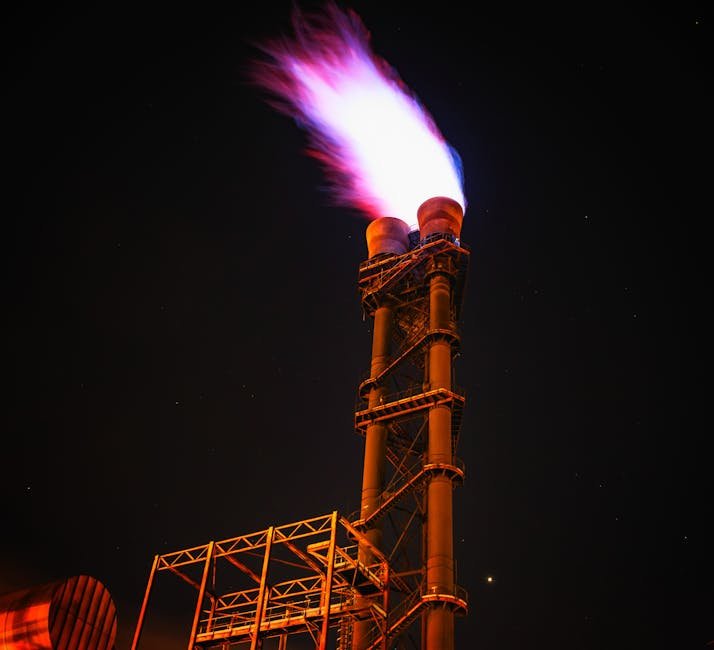
Iran’s Islamic Revolutionary Guard Corps (IRGC) launched a coordinated missile strike on Qatar’s Ras Laffan Industrial City on the morning of March 19, 2026. The facility, which is home to the world’s largest LNG processing complex, was hit by multiple missiles, causing fires and extensive damage to several LNG trains. QatarEnergy confirmed the attack and stated that the fires were eventually brought under control, but production had been severely disrupted.
Ras Laffan typically produces around one-fifth of the world’s LNG supply, making it an absolutely critical node in global gas infrastructure. The attack caused European natural gas benchmark prices to soar by as much as 35%, reaching more than double their pre-war levels. Brent crude oil jumped 8.9% to $116.95 per barrel. Energy analysts warned that the impact could last months, or even years, as repairs and replacement parts are sourced.
“Successful attacks on Ras Laffan could cause a lasting global gas shortage,” said Saul Kavonic, energy analyst at MST Marquee. “Even when the war ends, the impact on supply could last months or even years as repairs are undertaken.”
Why Did Iran Strike Qatar?
The Iranian attack on Qatar’s gas infrastructure came in direct retaliation for an Israeli airstrike on Iran’s South Pars gas field — a jointly held facility between Iran and Qatar — a day earlier. Iran’s IRGC publicly declared that energy sites in Saudi Arabia, the UAE, and Qatar had now become “direct and legitimate targets.”
The sites listed by Iran as future targets include:
- The Ras Laffan refinery and Mesaieed petrochemical complex in Qatar
- The Samref refinery and Jubail petrochemical complex in Saudi Arabia
- The Al Hosn gas asset in the United Arab Emirates
This represents a massive escalation. Qatar, while not directly part of the conflict, hosts the Al Udeid Air Base — the largest US military base in the Middle East. US President Trump condemned the attack, though he admitted the US had no prior knowledge of Israel’s strike on the South Pars field.
Impact on Asia and India
Asia is the world’s largest importer of LNG, with countries like Japan, South Korea, China, and India relying heavily on Qatari gas. The disruption at Ras Laffan is expected to have a cascading effect across Asian economies.
For India specifically:
- India imports approximately 60% of its LPG from the Gulf region, with 90% transiting through the Strait of Hormuz
- Higher LNG prices mean increased electricity generation costs, industrial input prices, and household gas bills
- Fertilizer production, which depends on natural gas, could be severely affected, threatening food security
- Indian stock markets already crashed on March 19, with the Sensex plunging over 2,500 points
India’s government has been monitoring the situation closely. The Ministry of Petroleum confirmed on March 19 that it had 22 India-bound ships currently positioned west of the Strait of Hormuz, with 611 sailors onboard — all reported safe.
Global Energy Market Reaction
The energy markets reacted swiftly and sharply to the Ras Laffan attack:
- Brent Crude: $116.95 per barrel (+8.9%)
- WTI Crude: $96.78 per barrel (+1.38%)
- European Natural Gas: Spiked 35%, more than double pre-war levels
- Asian LNG spot prices also jumped significantly
Analysts at Karobaar Capital warned that $120 Brent is not a ceiling but a starting point, with prices potentially reaching $140 to $160 if broader Gulf energy infrastructure is targeted.
US and International Response
US Defense Secretary Pete Hegseth held a Pentagon briefing on March 19 to address the escalating situation. Trump ruled out further Israeli attacks on Iran’s gas field unless Iran continues striking Qatari infrastructure. However, he threatened a response of unprecedented “strength and power” if attacks on Qatar continue.
The conflict has now spread across multiple fronts:
- Iran struck Kuwait, with explosions reported at a US military base
- US military bases in Jordan also came under fire
- Saudi Arabia intercepted 17 drones and 2 ballistic missiles overnight
- Cathay Pacific suspended flights to Riyadh through April due to ongoing hostilities
Sri Lanka declared Wednesdays as non-working days to conserve fuel amid the supply crunch, highlighting the wider regional economic impact.
What Lies Ahead?
With over 2,000 deaths, 1,300 of them in Iran, the conflict shows no signs of de-escalation. Iran has executed three protesters and continues to defying ceasefire proposals. Gulf states are pressing the US to take decisive action against Iran. Japan’s Prime Minister met with Trump to seek help securing the Strait of Hormuz.
Energy security experts are increasingly warning of a scenario in which prolonged disruption to Gulf energy supplies could trigger a global recession. Oil at $140 or higher would be catastrophic for energy-importing nations across Asia.
For Press of Asia readers, this story will be updated as events develop. The war in West Asia is no longer just a regional conflict — it is a global economic emergency.