November 29, 2026 — Global fashion brands including Zara and H&M moved some apparel orders from Bangladesh to other Asian suppliers in the first half of November, with most of the business going to India, Reuters reported on November 27. The news agency attributed the shift to three factory owners who spoke anonymously about their relationships with buyers.
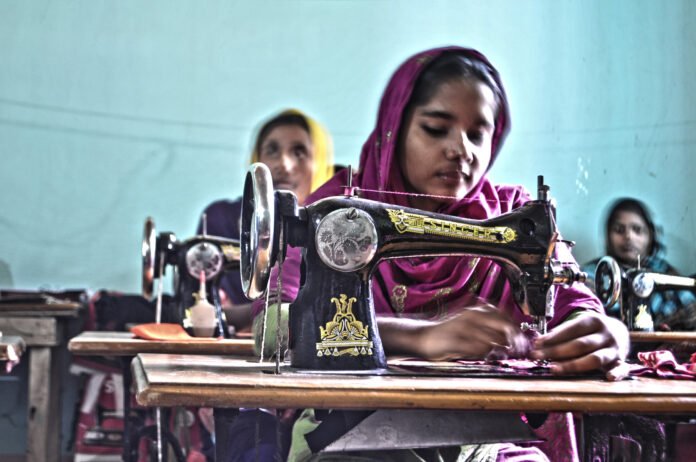
File photo: Garment workers in Bangladesh, October 7, 2013. USAID, Wikimedia Commons, U.S. government public-domain work. The site may resize or crop the image for display.
Key highlights
- Factory owners told Reuters that orders worth roughly $254 million were redirected from November 1 to 18.
- Reuters also reported that buyers were looking to Vietnam, Cambodia and Indonesia.
- Zara owner Inditex declined to comment to Reuters. H&M, Marks & Spencer and Celio did not respond to its requests.
What the factory owners described
Reuters said industrial unrest disrupted manufacturing and that suppliers also faced rising costs. The factory owners put an approximate value on orders moved during a defined part of the month. That number is an estimate attributed to the owners, rather than an official count of orders or shipments.
Orders placed by buyers are different from completed exports. A supplier needs to manufacture and dispatch the goods before they appear in shipment figures. The value of reported diversions cannot be read as an immediate increase of the same size in India’s exports.
What the shift might mean for suppliers
India was the largest recipient of the orders described by Reuters. Buyers were also considering other Asian production centres to diversify sourcing and improve the reliability of deliveries. A short-term move can help a retailer deal with a disrupted production run. A lasting shift would show up in repeat orders and sourcing plans.
The retailers did not confirm the figures in the report. Inditex declined Reuters’ request for comment, while several other companies did not respond. Reuters also cited Bangladesh’s garment exporters’ association on production losses associated with the protests.
How the claims can be tested
Future shipment statistics can show changes in actual trade. Brand statements and purchasing disclosures would give a clearer view of whether companies are moving production for a single season or changing the balance of their suppliers over time. The owners’ estimates apply to early November and should be interpreted in that context.
Related coverage: India’s textile exports rise 16.1% to ₹29,776 crore in August: which segments led
What to watch
Watch for later sourcing decisions from the brands, more detailed shipment data and an updated account from Bangladesh’s garment exporters’ association.
Sources
- Reuters report based on interviews with garment factory owners
- Bangladesh Garment Manufacturers and Exporters Association export data

The Business Desk covers markets, the economy, companies and personal finance. Stories are checked against at least two credible sources before publication.