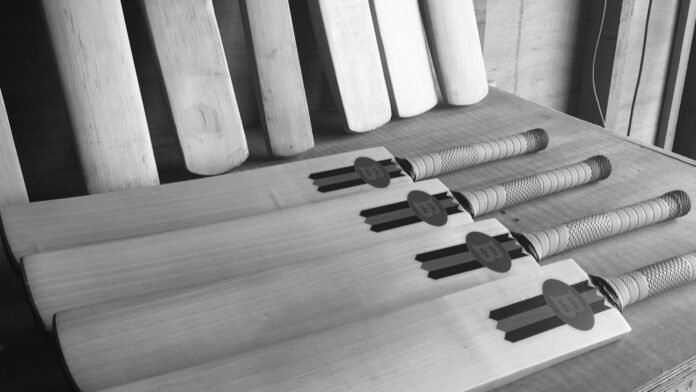
October 29: India’s Cabinet has approved a ₹1,856.67-crore programme to strengthen sports goods manufacturing, including investment support, quality certification and shared industrial facilities. The October 28 announcement sets out a manufacturing policy that extends through 2033–34, rather than a direct payment to individual athletes.
Key highlights
- The total approved outlay is ₹1,856.67 crore.
- Investment and turnover-linked support together account for ₹1,130 crore.
- International sports-federation certification support has a ₹105-crore allocation.
- Dedicated manufacturing zones and upgrades to existing clusters are planned.
How the support is organised
| Component | What the Cabinet announcement describes |
|---|---|
| Manufacturing zones | Manufacturers, suppliers, testing and design facilities together |
| Investment and production | Anchor-investment support and turnover-linked incentives |
| Existing clusters | Common facilities and shared infrastructure for smaller firms |
| Certification | Help obtaining or renewing international federation certification |
| Innovation and skills | Research facilities, start-up support and industry-aligned training |
The Sports Ministry said the new zones would draw on existing industrial infrastructure, including the BHAVYA scheme and NICDC parks. It also identified research collaboration through the Anusandhan National Research Foundation and workforce initiatives with the skills ministry.
Why certification and shared facilities matter
A sports product has to meet the requirements of its intended customer and competition. A manufacturer capable of making an item may still need testing, documentation and recognition for a particular market. Certification support addresses a different constraint from simply adding another production line.
Shared facilities can also change the economics for smaller enterprises. A testing laboratory or prototyping service used by several firms need not be replicated inside every workshop. The practical value will depend on which facilities are built, how access is arranged and whether the service matches manufacturers’ needs.
Those are implementation questions, not established outcomes. The approval does not itself demonstrate that exports have increased, new jobs have been filled or a particular company has secured an incentive.
Putting the allocation in perspective
Our calculation: The ₹1,130-crore combined investment and turnover-linked allocation is about 60.9% of the ₹1,856.67-crore total. The ₹105-crore certification provision is about 5.7%. These shares compare the announced components with the overall outlay; they do not describe money already disbursed.
For a manufacturer, the eventual scheme guidelines will be more useful than the headline alone. Eligibility, qualifying investment, performance conditions, documentation and payment timing determine whether support can be included in a business plan. Approval of a programme should not be treated as automatic approval of an applicant.
What to watch
The next material developments will be operational guidelines, details of designated zones and common facilities, and an official application process. Firms should verify those documents before paying an intermediary or making a spending commitment on the assumption that a grant is guaranteed.
Sources
- Ministry of Youth Affairs and Sports: Cabinet approves Khelo India Sports Goods Manufacturing Scheme

The Sports Desk covers cricket, the Asian Games and Indian and international sport. Stories are checked against at least two credible sources before publication.