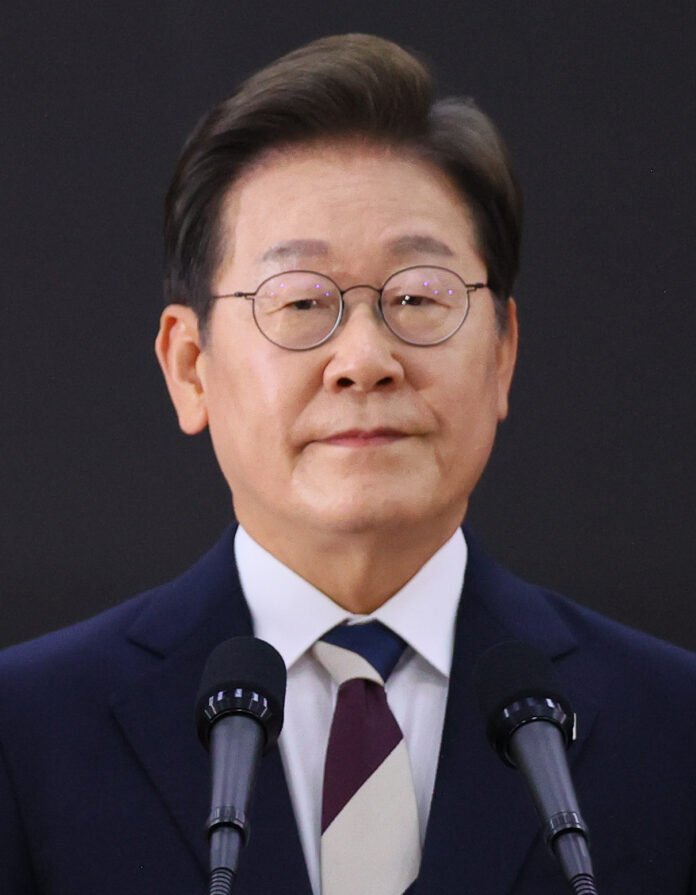
November 19: China and South Korea have substantially concluded the second phase of negotiations on their free trade agreement, China’s commerce ministry said in an account published on November 19. The upgrade concerns services and investment, but the ministry says preparations for formal signing are still to come.
Key highlights
- The negotiated upgrade covers investment, services, financial services and economic cooperation.
- The original FTA entered into force in December 2015.
- Xi Jinping and Lee Jae Myung discussed the agreement at their November 18 meeting.
- Substantial conclusion of talks does not mean the upgraded rules are already in force.
Which parts of the agreement are being upgraded
The commerce ministry’s account identifies four chapters and related annexes: investment, trade in services, financial services and economic cooperation. It says the changes are intended to expand bilateral services and investment activity. The announcement reports the conclusion of a negotiating phase; it does not supply every final market-access commitment.
The existing China–South Korea FTA was signed on June 1, 2015 and entered into force on December 20 that year, according to the same official account. The new negotiations therefore build on an existing agreement rather than create the countries’ first trade pact.
How the summit discussion fits
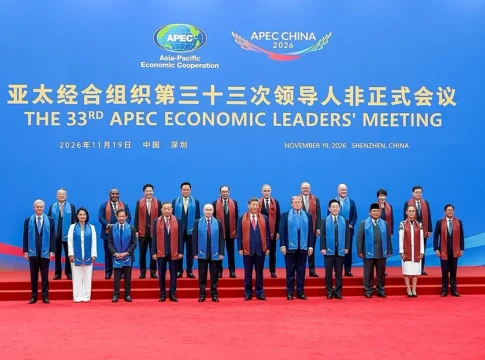
China’s foreign ministry says President Xi Jinping met South Korean President Lee Jae Myung in Shenzhen on November 18. Its readout links the FTA negotiations with wider economic coordination and cooperation in emerging industries, including artificial intelligence. It also records support for gradually advancing cultural and people-to-people exchanges.
A summit readout sets out the governments’ diplomatic message. A signed trade text sets out the legal commitments. Keeping those documents separate is necessary when assessing claims that a particular service business or cultural product has gained immediate, unrestricted access to a market. This report does not claim a blanket end to all restrictions.
What businesses need before treating it as a new rule
The next useful documents will be the final agreement, schedules and implementation notices. A general statement that services access will improve cannot determine the treatment of every financial institution, investor or content producer. Eligibility may depend on the activity, the mode of supply and the conditions written into the eventual text.
For Asian supply chains, services and investment rules deserve attention alongside goods tariffs. Financing, professional support and the ability to establish or operate a business can influence a cross-border project. That is an explanation of why these chapters matter, not a forecast that this announcement alone will deliver a particular increase in trade or profits.
At a glance
| Stage | Meaning |
| Existing FTA | In force since December 20, 2015 |
| Second-phase negotiations | Substantially concluded |
| Scope named by commerce ministry | Investment, services, financial services, economic cooperation |
| Next announced step | Prepare for formal signing |
| Immediate caution | Do not assume upgraded rules already apply |
What to watch
Watch for formal signing, publication of the final text and the stated entry-into-force arrangements. Those documents will make it possible to evaluate sector-level changes more precisely than the summit announcement allows.
Sources
- China State Council: Commerce ministry account of FTA negotiations
- China Foreign Ministry: Xi meets South Korean President Lee Jae Myung

The Business Desk covers markets, the economy, companies and personal finance. Stories are checked against at least two credible sources before publication.