Global smartphone shipments fell 20% year on year in the third quarter of 2026, according to preliminary research from Counterpoint. The firm described it as the weakest third quarter since 2012.
The October 12 Market Monitor update places Samsung first with 23% of shipments and Apple second with 22%. Samsung’s shipments nevertheless declined 3%, illustrating how a manufacturer can gain relative strength in a contracting market.
Component costs are part of the pressure
Counterpoint points to rising DRAM and NAND memory costs as a constraint on the industry. These components contribute to the cost of building smartphones, but their effect is not identical for every model, manufacturer or price tier.
The figures are preliminary sell-in estimates: phones shipped into distribution channels. They are not a count of every handset bought by a consumer during the quarter. The period covers July through September.
Why market share is different from growth
A manufacturer’s share measures its slice of the total market. Unit growth measures whether it shipped more phones than before. When the overall market shrinks sharply, those two indicators can move in opposite directions.
Consider a simplified example unrelated to any company’s reported numbers. A brand shipping 20 phones in a market of 100 has a 20% share. If it later ships 18 in a market of 80, its share rises to 22.5% even though its own shipments have fallen. This is why a larger slice does not necessarily mean more sales.
What readers should not infer
A global shipment decline does not establish that India’s market fell by the same amount, that every brand declined equally or that all phone prices have risen by a uniform percentage. Those conclusions require country, company and retail-price data.
For buyers, the report provides industry context rather than a reason to rush into a purchase. For businesses, the next useful checks will be final quarterly estimates, regional breakdowns and evidence about inventory. Those details will help distinguish weaker consumer demand from changes in the timing of shipments.
Image credit and licence
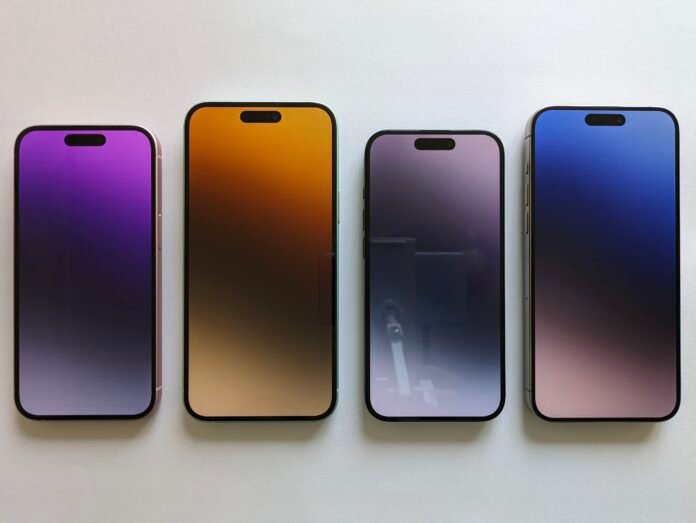
Representative file photo of iPhones, 2024; not the 2026 lineup. Photo: Ka Kit Pang / Wikimedia Commons, CC BY-SA 4.0. Resized/cropped for display; image adaptations retain CC BY-SA 4.0. Original image and provenance · Licence / usage terms.

The Business Desk covers markets, the economy, companies and personal finance. Stories are checked against at least two credible sources before publication.