November 26, 2026 — Vietnam is hosting trade officials from the Comprehensive and Progressive Agreement for Trans-Pacific Partnership (CPTPP), ASEAN and the European Union in Hanoi on November 26. Vietnam’s Ministry of Industry and Trade scheduled separate ministerial dialogues and a joint business forum, followed by a CPTPP Commission meeting on November 27.
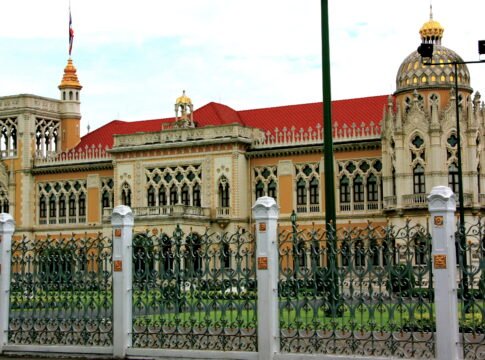
File photo: Hoan Kiem Lake in central Hanoi, October 1, 2017. Trung geo, Wikimedia Commons, Public domain.
Key highlights
- The Hanoi discussions include separate sessions with the EU and ASEAN.
- Vietnam is chairing the CPTPP in 2026.
- The formal CPTPP Commission meeting is scheduled for Friday.
What is on the Hanoi agenda
The programme at the Fairmont Hanoi follows three days of talks among senior officials. The EU and ASEAN dialogues are part of the chair’s programme, with a business forum bringing all three groups together. Companies will be watching for concrete work on the movement of goods and the ability to switch suppliers when a route is disrupted.
The CPTPP, ASEAN and the EU operate under different arrangements. Several Southeast Asian countries participate in both the CPTPP and ASEAN, which gives their officials experience of both sets of rules. Dialogue with another bloc can identify practical ways to work together, but access to markets depends on the terms and implementation of specific agreements.
A regional dialogue can also expose conflicting priorities. Exporters may press for faster customs procedures while governments preserve different product standards. A published statement will matter most where it spells out how those differences will be addressed and who will carry the work forward.
| Dates | Scheduled activity |
|---|---|
| November 23–25 | Senior officials meet |
| November 26 | Ministerial dialogues and business forum |
| November 27 | CPTPP Commission meeting |
What to watch
Look for the commission’s November 27 statement and any published work plans that assign tasks or deadlines. Read the meeting outcomes alongside The Press of Asia’s coverage of the US tariff proposals.
Sources

The Business Desk covers markets, the economy, companies and personal finance. Stories are checked against at least two credible sources before publication.