November 26, 2026 — Japan’s education ministry reported on November 26 that 359,424 pupils were counted in its school non-attendance category for fiscal 2025. The nationwide survey covers elementary and junior high grades, including pupils in relevant special-needs grades. Kyodo reported that the total rose for a 13th consecutive year.
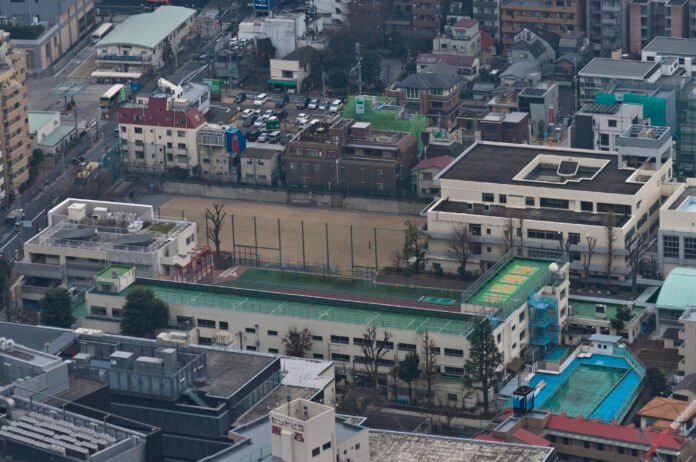
File photo: Nishi Shinjuku Elementary School in Tokyo, March 16, 2015. Chihaya Sta, Wikimedia Commons, CC BY 4.0.
Key highlights
- The ministry reported 359,424 pupils in the category.
- The survey uses a threshold of at least 30 days of absence for the relevant classification.
- The report covers fiscal 2025 and was released in November 2026.
What the survey can tell schools
The total describes a specific ministry category. It should be read alongside the report’s definitions, which distinguish reasons for extended absence. Combining all reasons into a single figure would obscure the difference between non-attendance and other forms of absence.
The national figure describes the scale of the issue. Local authorities also publish their own results, which can help schools consider patterns across grades and districts. A national count cannot explain what happened to an individual pupil. Useful follow-up measures include whether pupils are in contact with support services and whether their learning continues during extended absence.
The survey is retrospective. It measures a full school year rather than attendance on a particular day. Any comparison with a later report should use the same population and definition.
What to watch
Watch for revised support measures, more detailed local results and the next national survey. The survey data alone do not establish which measure will work best for a given school.
Sources
- Japan education ministry’s fiscal 2025 survey (Japanese)
- Tokyo Board of Education’s local release (Japanese)
- Kyodo reporting, carried by Bernama

The International Desk covers world and Asian affairs, diplomacy and conflict, with a focus on what they mean for India. Stories are checked against at least two credible sources before publication.