October 28: Singapore is setting out a company-funded assessment process in its transboundary haze response, with investigators expected to examine operations, supply chains and corporate relationships. Senior Minister K. Shanmugam described the next steps after an October 28 meeting with companies served notices by the National Environment Agency.
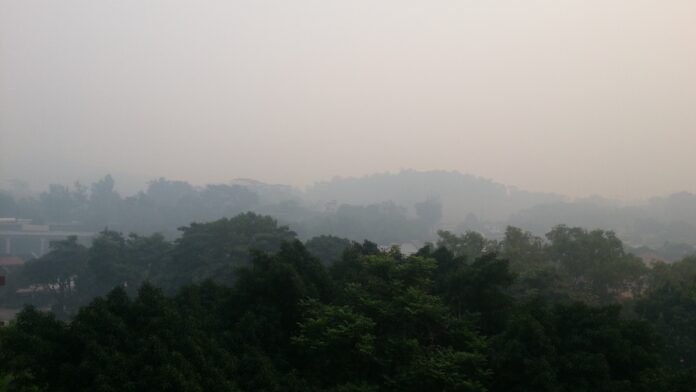
File photo: Haze near Rifle Range Road, Singapore, June 21, 2013. Oliverlyc / Wikimedia Commons, CC0 1.0. Cropped and resized; not current air quality. Image source · Licence
Key highlights
- Companies will engage an investigations firm and a law firm from a selected panel.
- NEA will define the questions and receive the assessment report.
- The minister said legislation seeking further powers would be introduced the following week.
- An assessment is not a finding that a business broke the law.
What was announced
The Home Affairs Ministry’s transcript says the Ministry of Law will publish the panel shortly. Companies are expected to pay the teams and provide access to relevant information. NEA will consider their reports before deciding further action.
Shanmugam said authorities would act on evidence of wrongdoing and proceed accordingly if the facts showed none. That distinction matters: a notice or an inquiry is not a conviction.
How the process is intended to work
| Participant | Announced role |
|---|---|
| Ministry of Law | Select and publish assessor panel |
| Companies | Engage and pay teams; supply information |
| Assessment teams | Investigate and report to NEA |
| NEA | Set questions and consider next steps |
The design separates the source of payment from the recipient of the report. Its effectiveness will depend on access to records, the scope of the work and the evidence supplied to the regulator. Those details will matter when assessing the outcome.
Why supply chains matter
A supply-chain examination can look beyond a business’s registered office. The stated questions concern how operations, suppliers and corporate relationships fit together. Public conclusions should follow the records rather than assumptions based on a brand or address.
Singapore’s Transboundary Haze Pollution Act provides the governing framework. The minister’s reference to legislation describes intended parliamentary action. Any new power needs to be checked against the actual bill and its subsequent official status.
Accountability and today’s air quality
An inquiry and a pollution forecast answer different questions. This announcement concerns evidence and responsibility; it does not establish whether outdoor air has improved today. Readers planning activities should consult current NEA air-quality information separately.
What to watch
The next milestones are the panel’s publication, assessment arrangements, the proposed legislation and any regulatory findings. None should be treated as a predetermined penalty. Reports identifying responsibility will need to distinguish the regulator’s findings from an allegation or an ongoing investigation.
Sources
- Singapore Ministry of Home Affairs: October 28 media doorstop on haze assessors
- Singapore Statutes Online: Transboundary Haze Pollution Act 2014

The International Desk covers world and Asian affairs, diplomacy and conflict, with a focus on what they mean for India. Stories are checked against at least two credible sources before publication.