November 13: The Union Cabinet has approved continuing Stand-Up India until March 31, 2031, with a target of helping an additional 2.5 lakh entrepreneurs, according to its November 11 release. The programme is aimed at women and entrepreneurs from Scheduled Caste and Scheduled Tribe communities setting up new enterprises.
Key highlights
- The Cabinet approved continuation until March 31, 2031.
- The programme targets 2.5 lakh additional women and SC/ST entrepreneurs.
- The approved loan range is above ₹10 lakh and up to ₹1 crore.
- A credit guarantee is not a cash grant or automatic loan approval.
A five-year continuation for enterprise finance
The approved credit-guarantee corpus is ₹4,111 crore. The Cabinet release describes loans above ₹10 lakh and up to ₹1 crore, covering up to 85% of project cost. It lists manufacturing, services, trading and agriculture-allied activities as eligible sectors.
Loan, project finance and guarantee are different things
The release allows a term loan or a composite loan combining term finance and working capital. It also specifies 85% credit-guarantee coverage and a standard guarantee fee of 0.50%. These percentages describe different parts of the scheme; they should not be combined into a promise that a borrower receives free funding.
A term loan generally finances longer-lived business needs, while working capital supports the operating cycle. For an applicant, the relevant question is which expenses the bank will finance and when repayment begins. A headline maximum is not a personalised sanction amount.
Who is eligible?
SBI’s published scheme page describes greenfield enterprises as first-time ventures and lists eligibility for SC/ST and/or women entrepreneurs above 18. For a non-individual enterprise, it states that at least 51% of the shareholding and controlling stake should belong to an eligible SC/ST or woman entrepreneur. It also says the borrower should not be in default to a bank or financial institution.
Those details come from SBI’s existing product guidance, which carries a November 2020 update date. Applicants should therefore ask their lender for the current implementation terms following the 2026 continuation decision, rather than assume that every older webpage already reflects the latest approval.
What a prospective applicant can prepare
A useful first step is a clear description of the business, its costs and how it will earn revenue. Separate one-time equipment or setup expenses from recurring operating needs. That helps frame a discussion with a lender about term finance and working capital without assuming that every proposed cost will be accepted.
SBI’s page points applicants towards the Stand-Up India portal for information and contact with banks. Use official lender and government channels to check the applicable process. A third-party promise of guaranteed sanction cannot establish eligibility, disbursement or the final cost of borrowing.
How to read the target
The Cabinet’s beneficiary figure is a programme objective over five years, rather than a count of loans already disbursed under the extension. Similarly, the guarantee corpus is a risk-support arrangement, not an equal cash allocation to each proposed beneficiary.
The meaningful implementation questions are how lenders apply the updated framework, how eligible applicants reach a bank and how much credit is actually sanctioned and disbursed. Those are distinct stages and should be reported separately when further official figures become available.
What to watch
The next useful documents are current lender instructions, the application route and any operational clarifications on the continuation. Before committing to a project, applicants should obtain their own lender’s written terms, including the repayment schedule and charges, rather than rely on a general news summary.
At a glance
| Continuation approved until | March 31, 2031 |
| Additional beneficiary target | 2.5 lakh entrepreneurs |
| Credit-guarantee corpus | ₹4,111 crore |
| Loan range in Cabinet release | Above ₹10 lakh to ₹1 crore |
| Project-cost coverage | Up to 85% |
| Guarantee coverage | 85% of loan amount |
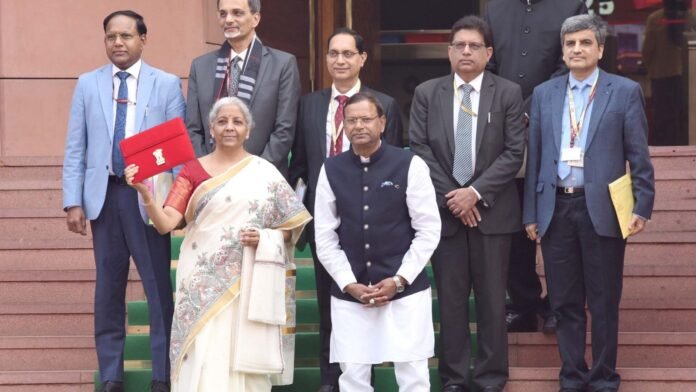
File photo: Finance Minister Nirmala Sitharaman before presenting the Union Budget in 2025. Photo: Government of India / Wikimedia Commons, GODL-India. Not a photograph of the November 2026 Cabinet decision.
Photo source and GODL-India licence details.
Sources
- Cabinet / PIB: Continuation of Stand-Up India approved
- State Bank of India: Stand-Up India — product and eligibility guidance

The Business Desk covers markets, the economy, companies and personal finance. Stories are checked against at least two credible sources before publication.