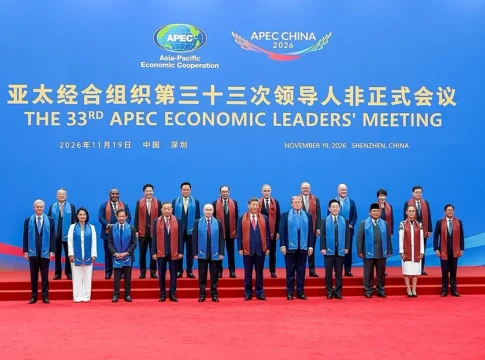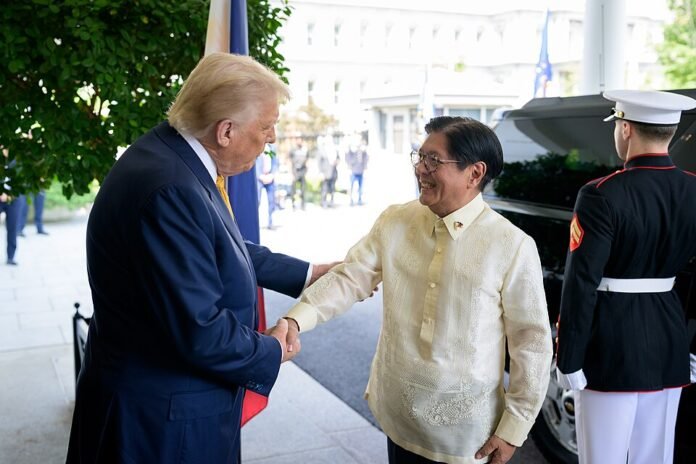
November 19: The Philippines and Chile signed a Comprehensive Economic Partnership Agreement in Shenzhen on November 19, creating a new framework for trade between Southeast Asia and Latin America. The Philippine News Agency’s account says President Ferdinand Marcos Jr. and Chilean President José Antonio Kast witnessed the signing on the sidelines of the APEC leaders’ meeting.
Key highlights
- CEPA is the Philippines’ first bilateral FTA with a Latin American country.
- Market-access benefits are expected once the agreement enters into force.
- The signing follows negotiations discussed by the two governments at APEC in 2025.
- Businesses still need the final schedules and implementation rules for product-level decisions.
What was signed in Shenzhen
The Philippine government’s news agency describes the pact as a new route for exporters and supply-chain diversification. Its report expressly links expanded market access to the agreement’s eventual entry into force. That qualification matters: a signing ceremony does not by itself establish that a shipment can immediately claim a lower duty.
A Philippine presidential readout from November 2025 records Marcos discussing the proposed CEPA with then Chilean President Gabriel Boric. The new signing is therefore the outcome of an earlier negotiating process. Kast is the Chilean president named in the November 19, 2026 signing report; the historical readout should not be mistaken for this year’s meeting.
Why a Latin American agreement matters
For an exporter, a new trade arrangement can provide an additional market rather than replace existing partners. The commercial question is whether the eventual preferences match goods or services a firm can supply competitively, and whether transport, documentation and distribution costs leave an attractive margin.
Trade diversification is consequently more than a count of agreements. A business needs buyers, workable logistics and an understanding of the other market’s requirements. The government’s stated ambition is to widen connections; this article does not treat that ambition as evidence that export volumes or investment have already increased because of the signing.
The documents exporters should look for next
The most useful next material will include the agreement’s final text, tariff schedules, origin rules and entry-into-force notice. Those documents answer different questions. A tariff schedule identifies the treatment of a product, while origin requirements establish which goods qualify for preferential treatment.
A business should also distinguish a country-level agreement from the rules for its specific activity. The broad description “free trade agreement” does not mean every product becomes duty-free on the same date or that every regulatory requirement disappears. Until the implementation details are established, precise claims about savings on a particular shipment would go beyond the verified announcement.
At a glance
| Item | Verified position |
| Agreement | Philippines–Chile CEPA |
| Signing | November 19, 2026, Shenzhen |
| Philippine milestone | First bilateral FTA with a Latin American country |
| Immediate legal distinction | Signed does not mean already in force |
| Business documents to watch | Final schedules, origin rules and commencement notice |
What to watch
Watch for ratification or other domestic procedures, publication of the operative schedules and an official start date. These will turn the diplomatic milestone into rules businesses can apply.
Sources
- Philippine News Agency: PH, Chile sign landmark free trade agreement
- Philippine Presidential Communications Office: Earlier CEPA discussions at APEC 2025

The Business Desk covers markets, the economy, companies and personal finance. Stories are checked against at least two credible sources before publication.