November 27, 2026 — Thailand and Myanmar have agreed in principle on 12 joint water-sampling locations and will develop a three-year plan to address pollution in the Kok and Sai rivers. The agreement followed a November 25–26 working-group meeting in Bangkok, with the first joint sampling expected between December and January, subject to coordination and readiness.
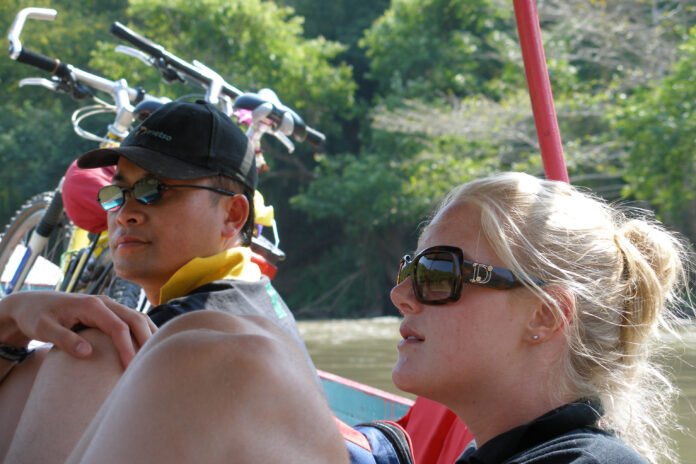
File photo: the Kok River in Chiang Rai, February 10, 2007. Vyacheslav Argenberg / Wikimedia Commons, CC BY 4.0.
Key highlights
- The proposed monitoring network is evenly divided between the two countries.
- Thailand and Myanmar endorsed an initial one-year framework while the longer plan is developed.
- The countries intend to exchange water-quality results at least twice a year.
What the Bangkok talks produced
The Bangkok meeting brought together officials from both countries responsible for water quality and environmental protection. Thailand’s Pollution Control Department and Myanmar’s Environmental Conservation Department will coordinate the joint measures, according to reporting by The Nation citing Thai deputy government spokeswoman Lalida Persvivatana.
The meeting endorsed an initial framework and a plan to write a longer programme. The distinction matters because the three-year document is still under development. The sampling locations were agreed in principle, while the timing of fieldwork depends on how quickly the agencies can coordinate and prepare.
Why upstream and downstream evidence matters
Thailand raised transboundary pollution during Deputy Prime Minister and Foreign Minister Sihasak Phuangketkeow’s official visit to Myanmar on November 12. The rivers run across a national border, so joint observations can help officials compare water conditions on either side of it and evaluate suspected sources of pollution.
Thai Deputy Prime Minister Yodchanan Wongsawat told Reuters that Thailand wanted to present data-backed evidence by January and obtain concrete measures within six months. That timetable is a Thai objective. The two countries have agreed on sampling arrangements, while attribution and subsequent remediation decisions remain open.
The proposed monitoring reaches beyond the water
The Nation reported that the wider surveillance programme could include sediment, contaminants in aquatic organisms, agricultural soil and vegetables. These are separate lines of inquiry. River-water tests take a reading at a given point and time, while sediment and other samples may help investigators examine where contaminants have accumulated.
The practical value of the programme will depend on repeated measurements and compatible methods. Comparable collection and disclosure practices would make it easier to tell which sites show persistent differences and how those differences change over time.
| Measure | Status |
|---|---|
| One-year working framework | Endorsed at the Bangkok meeting |
| Three-year action plan | Agreement to develop it |
| Joint sampling | 12 sites agreed in principle |
| First sampling round | Expected December 2026 to January 2027 |
Related coverage: Bangkok’s Song Wat Road marks Loy Krathong with riverside events.
What to watch
The next concrete milestone is the first round of joint fieldwork. Watch for a confirmed start date, publication of the results and further decisions on how the two governments will investigate sources.
Sources
- Thai Ministry of Foreign Affairs statement on the November 12 visit
- The Nation reporting on the joint working group
- Reuters reporting on the Thai government’s evidence-gathering plans

The International Desk covers world and Asian affairs, diplomacy and conflict, with a focus on what they mean for India. Stories are checked against at least two credible sources before publication.