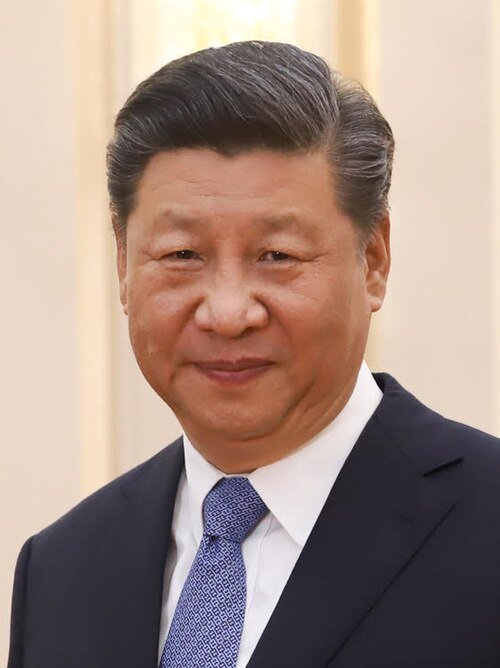
November 19: China will provide US$20 million for practical cooperation within APEC, President Xi Jinping announced at the leaders’ meeting in Shenzhen on November 19. He also proposed a research centre in the city. The announcement adds a funding commitment to wider calls for economic integration and innovation.
Key highlights
- The commitment was announced at the APEC leaders’ meeting, following the separate business summit.
- Xi proposed a Center for Asia-Pacific Community Studies in Shenzhen.
- His priorities included trade, connectivity, innovation and development.
What China announced
The Chinese foreign ministry’s published speech says the funding will support practical cooperation. The speech also outlines proposed cooperation institutions involving digital technology, cross-border data flows, clean energy and small and medium-sized enterprises. It does not provide a project-by-project disbursement timetable.
Those details are important for evaluating delivery. A headline funding total tells readers the scale of a pledge; it does not establish which economies will receive money, when projects will begin or how results will be measured. Those questions require subsequent programme documents.
What the wider agenda means
Xi called for progress toward the Free Trade Area of the Asia-Pacific and closer alignment of regional arrangements. He also discussed smart customs, transport links, cross-border payments and data governance, according to the speech. These proposals concern the practical systems through which businesses move goods, money and information.
For a smaller exporter, faster clearance or more predictable documentation could matter as much as a broad statement supporting trade. Whether any benefit occurs will depend on specific measures adopted by participating economies. The speech itself does not change a tariff rate or create an immediately usable business entitlement.
Reading the summit in context
This leaders’ intervention is distinct from Xi’s November 18 address to business executives. The new report centres on the announced contribution and institutional proposals, rather than repeating the previous day’s general appeal for openness.
Businesses should separate a national leader’s announcement from any collective APEC agreement and from domestic implementation. A policy can receive political support before its rules, funding channels or technical standards are agreed. A useful test is to look for named agencies, published work plans and reporting dates.
At a glance
| Announcement | Status |
| US$20 million | Chinese pledge for practical cooperation |
| Shenzhen centre | Announced research institution |
| Trade and data proposals | Policy priorities; implementation details to follow |
What to watch
Watch for APEC’s published outcomes and operational details for the Chinese contribution. Further coverage should identify concrete projects and implementation dates rather than infer them from the speech.
Sources
- China Foreign Ministry: Xi’s remarks at the 33rd APEC Economic Leaders’ Meeting
- Chinese government / Xinhua: Xi announces measures for Asia-Pacific cooperation

The International Desk covers world and Asian affairs, diplomacy and conflict, with a focus on what they mean for India. Stories are checked against at least two credible sources before publication.