
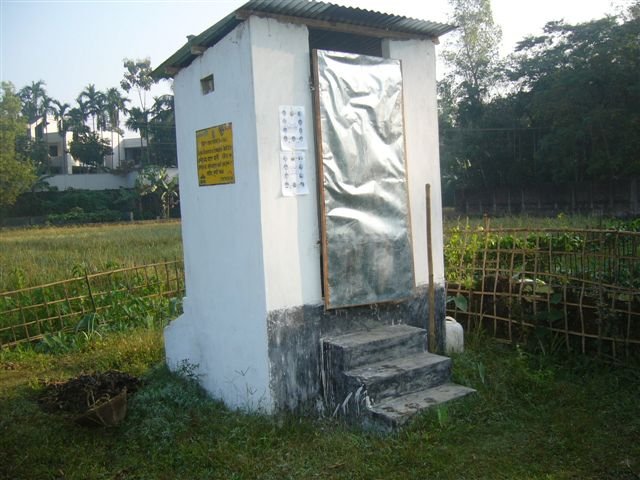
November 19: World Toilet Day on November 19 is focusing on the connection between safe sanitation and gender equality. The UN’s 2026 campaign, Safe toilets. Equal futures., asks governments and communities to consider whether facilities are accessible, reliable and safe to use, rather than count construction alone.
Key highlights
- The UN observance is coordinated by UN-Water.
- The 2026 campaign focuses on sanitation and gender equality.
- The Secretary-General calls for women and girls to help shape services.
What the UN is calling for
In his message for the day, Secretary-General António Guterres highlights privacy, safety and the reliability of sanitation services. He also points to the effects inadequate facilities can have on education, work and participation in public life. The message asks for women, girls and other vulnerable groups to participate in shaping solutions.
UN DESA’s campaign summary places the issue within Sustainable Development Goal 6. It says progress has been made since 2015 but large gaps remain. Those global estimates should not be substituted for local evidence when assessing the condition of a particular school, workplace or neighbourhood.
Why access is more than a building
A toilet that exists on a construction record may still be difficult to use if it lacks privacy, water, maintenance or a safe route. These are practical service questions. Assessing them requires listening to people who use the facility and checking whether it remains functional over time.
For a school or employer, a useful review would look at cleanliness, locks, accessibility, menstrual-hygiene needs and arrangements for repairs. The exact requirements depend on local standards and users’ needs. A one-day campaign can draw attention to the problem, but a reliable service depends on continuing responsibility and resources.
How to assess promises and progress
A sanitation announcement should specify who will maintain facilities and how service problems can be reported. Funding for initial construction and funding for operation are different questions. Without an identified maintenance arrangement, a headline opening figure may reveal little about lasting access.
For readers in Asia, the campaign offers a way to examine everyday public services through their effects on safety and opportunity. National averages are useful context, but they cannot show whether a particular person can use a nearby facility with dignity. Local reporting and service data are essential for that assessment.
At a glance
| Question | Why it matters |
| Is it functional? | Construction does not guarantee continuing service |
| Is it private and safe? | Users need dignity and protection |
| Is it accessible? | Different needs require practical accommodation |
| Who maintains it? | Reliability depends on continuing responsibility |
What to watch
Watch for funded, measurable improvements in sanitation services and the involvement of users in their design. Campaign statements should be followed by clear maintenance and accountability arrangements.
Sources

The International Desk covers world and Asian affairs, diplomacy and conflict, with a focus on what they mean for India. Stories are checked against at least two credible sources before publication.


