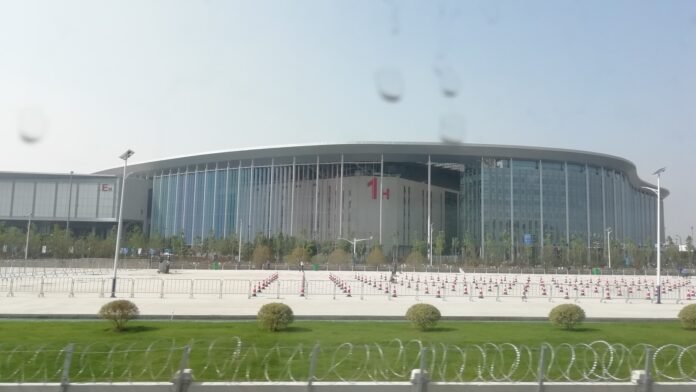
November 6: China’s ninth International Import Expo has opened in Shanghai, bringing overseas suppliers to the National Exhibition and Convention Center from November 5 to 10. Official accounts of the opening highlight market access, imports and investment, but exhibition participation should be distinguished from completed commercial orders.
Key highlights
- The ninth CIIE runs November 5–10 in Shanghai.
- Official coverage lists 4,142 overseas exhibitors and 440,000 square metres of exhibition space.
- Canada and Sri Lanka are the guest countries of honour.
- Opening speeches set policy priorities; they do not themselves remove individual product-entry requirements.
What was announced at the opening?
The Chinese government’s account of Vice-Premier Ding Xuexiang’s November 5 keynote emphasised openness, innovation and investment, alongside more balanced trade and the reduction of barriers. Those statements describe the direction promoted at the event. They should not be read as a blanket exemption from customs, standards or other requirements for every exhibitor.
An official State Council Information Office account put overseas exhibitors at 4,142, with more than 300 Fortune Global 500 companies and industry leaders. The size of the event makes it a significant meeting place for buyers and suppliers. It does not establish the value of orders already delivered or paid for.
Why the Asian angle matters
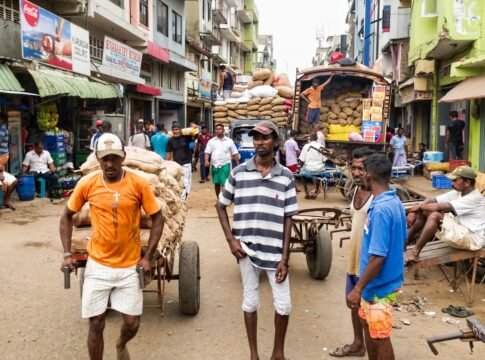
Sri Lanka’s role as a guest country of honour gives the event a direct South Asian dimension. For regional exporters, a major import exhibition offers an opportunity to meet potential distributors and understand buyer requirements. The commercial value, however, depends on whether that contact leads to product qualification, repeat demand and workable delivery terms.
A useful distinction is between access to an exhibition and access to a market. A stand can introduce a product; it cannot substitute for the checks needed to sell it. A business assessing the event should therefore separate visibility, negotiations and an executed transaction rather than treat them as the same achievement.
How to assess the trade claims
Exhibitor numbers measure participation. Exhibition area measures the physical scale of the fair. Neither is a direct measure of additional imports created by the event. Even an announced intention to purchase can differ from a binding order and from the eventual goods crossing a border.
For readers following later announcements, the strongest evidence would identify the product, buyer, seller, agreed period and status of a deal. A headline total without those distinctions may combine transactions at different stages. This is an analytical framework for reading future announcements, not a claim that particular exhibitors have failed to complete orders.
The same care applies to policy language. A commitment to openness may matter to investment sentiment, but a company still needs to identify the actual rule or procedure affecting its product. This article does not report a new universal tariff cut or a change to a specific sanitary or technical standard.
What to watch
The fair continues through November 10. Watch for official closing data and clearly identified commercial agreements, then distinguish planned purchases from realised trade. Subsequent customs statistics will be more useful for assessing sustained import demand than the number of people or companies attending one event.
At a glance
| Item | What the official record says |
|---|---|
| Event | Ninth China International Import Expo |
| Dates | November 5–10, 2026 |
| Venue | National Exhibition and Convention Center, Shanghai |
| Overseas exhibitors | 4,142 in official coverage |
| Guest countries of honour | Canada and Sri Lanka |
Sources
- CIIE organiser: China International Import Expo
- Chinese government: Ding addresses CIIE opening
- SCIO: Ninth CIIE opens in Shanghai

The Business Desk covers markets, the economy, companies and personal finance. Stories are checked against at least two credible sources before publication.