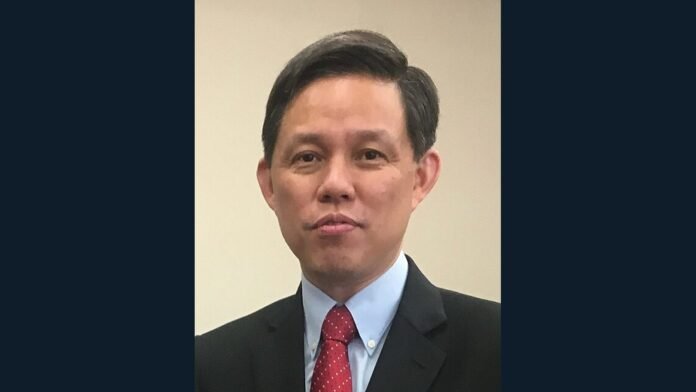
November 6: Singapore recognised one individual and three teams at the Defence Technology Prize on November 6, while Defence Minister Chan Chun Sing used the occasion to discuss the changing demands of artificial intelligence, autonomy and long-term technological capability.
Key highlights
- The Ministry of Defence announced one individual and three team awards.
- The recognised work includes radio-frequency technology, maritime unmanned aviation and aircraft engineering.
- Chan’s speech stressed sustained investment and operational innovation.
- The ceremony is recognition of capability; it is not a new procurement announcement.
What the awards recognise
The Ministry of Defence named Dr Leong Yoke Choy Vincent for an individual research-and-development award relating to radio-frequency transmitter technology. Its announcement also identified team work involving the V60 maritime unmanned aerial vehicle and the A330 multi-role tanker transport. These examples span research, integration and engineering rather than one type of invention.
An awards announcement demonstrates what the ministry has chosen to recognise. It does not independently disclose every performance specification, testing result or deployment arrangement. This report therefore does not assign a new range, payload or operational role to a platform beyond the official material.
Why AI is part of the discussion
In his published speech, Chan discussed AI, autonomy and robotics as forces changing defence requirements. He also emphasised the patient development of technological capability and the need to turn ideas into operationally useful systems. The argument is about the relationship between innovation and practical adoption, rather than the claim that a single technology removes all constraints.
AI research, engineering integration and operational use are separate stages. A system has to be usable by people, work with other equipment and perform under the conditions for which it is intended. Recognising that chain makes the story more useful than treating an award as proof that an emerging technology is already deployed at scale.
A small-country capability question
The minister’s discussion placed technology within Singapore’s strategic constraints. For a small country, developing specialised expertise can matter alongside acquiring equipment. That helps explain why the awards cover the people and teams behind systems, not only the visible hardware.
The wider Asian significance is the emphasis on technical knowledge that can be maintained and adapted. Buying a platform and sustaining the ability to understand, modify and support it are different tasks. The speech highlights the second task, but it does not establish that every component is domestically manufactured or that overseas supply chains are no longer needed.
It is also useful to distinguish an award from a contract. The ministry’s release is not an invitation to assume a new order, budget allocation or export agreement. Those would require their own official announcements and details.
How to judge future progress
Meaningful follow-up evidence would include clearly described programme milestones, operational adoption where publicly disclosed and sustained development of specialist skills. A public demonstration or award can be one indicator, but neither is a complete measure of readiness.
For readers following AI in defence, the unanswered questions often concern reliability, human responsibility and how systems behave under stress. The award ceremony does not provide a comprehensive public answer to those questions. It does show the areas the ministry is choosing to recognise and the priorities the minister is emphasising.
What to watch
Watch for subsequent ministry statements that identify implementation milestones. Avoid reading the November 6 ceremony as a new purchase decision or a detailed combat-performance claim. The verified news is the recognition of the individual and teams, alongside the minister’s statement of technological priorities.
At a glance
| Item | What the official record says |
|---|---|
| Event | Defence Technology Prize 2026 |
| Announced | November 6 |
| Recipients | One individual and three teams |
| Individual named | Dr Leong Yoke Choy Vincent |
| Policy themes | AI, autonomy, engineering and long-term capability |
Sources
- MINDEF: Defence Technology Prize 2026 awards
- MINDEF: Chan Chun Sing’s Defence Technology Prize speech

The Tech Desk covers technology, artificial intelligence and cybersecurity. Stories are checked against at least two credible sources before publication.