November 13: Hong Kong’s goods export volume increased 36.1% in September from a year earlier, while import volume rose 30.7%, the Census and Statistics Department said in figures released on November 12. The data separate changes in the quantity of trade from changes in prices, an important distinction when reading the city’s headline export performance.
Key highlights
- Export volume grew 36.1% year on year; import volume rose 30.7%.
- Quarter-on-quarter gains were more modest after seasonal adjustment.
- Trade volume, prices and the value of shipments measure different things.
What the new figures show
The department’s merchandise trade index release also showed export volume rising 29.9% over the first nine months of 2026, with imports up 30.1%. In the third quarter, seasonally adjusted export volume increased 1.8% from the previous quarter and import volume increased 1.0%. These comparisons answer different questions: the annual figures show the distance from last year, while the quarterly figures indicate more recent momentum.
At a glance
| Measure | Exports | Imports |
| September volume, year on year | +36.1% | +30.7% |
| January–September volume, year on year | +29.9% | +30.1% |
| Q3 volume, seasonally adjusted, quarter on quarter | +1.8% | +1.0% |
| September trade prices, year on year | +20.3% | +19.7% |
Why an export surge is not a profit figure
Analysis: A higher value of shipments can reflect more goods changing hands, a rise in their prices, or a changing mix of products. The volume index discounts the effect of price changes. It is therefore more useful than the cash total alone for asking whether physical trade activity is expanding. Neither measure, by itself, tells us how much profit exporters earned, how their wage bills changed or whether all industries benefited equally.
How readers should compare the numbers
The department reported a 0.5% annual improvement in the September terms-of-trade index, which compares export prices with import prices. That is a relative price measure, rather than a statement about the trade balance. A trade deficit or surplus requires values, not just growth rates in volume indices. Readers should also avoid adding the volume and price growth rates together as if the sum were an official nominal export growth figure.
The regional picture needs care
Analysis: Hong Kong is a trading centre connected to several Asian supply chains. Aggregate growth is useful, but it cannot establish which final consumers drove demand or whether a shipment’s value was created locally. Product and destination breakdowns are needed before attributing the entire increase to a particular technology, policy or country. A large annual percentage can coexist with slower sequential growth, especially when the comparison period was unusual.
What to watch
The next useful checks are whether the quarterly improvement continues, whether growth broadens across products and destinations, and whether prices remain elevated. The November 12 release concerns September activity; it is not a real-time reading of November trade. Businesses planning inventory or transport capacity should compare it with subsequent releases and their own order books rather than treating one month as a guaranteed forecast.
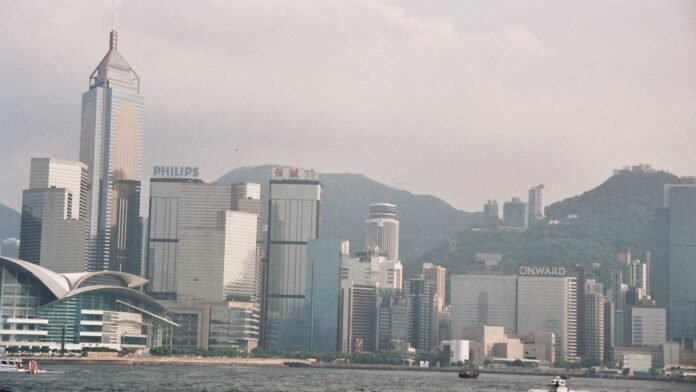
File photo: Hong Kong’s skyline, August 2004. Credit: Airunp / Wikimedia Commons, CC BY-SA 2.1 Spain. Cropped and resized by The Press of Asia; adaptation shared under the same licence. Archival city photograph, not a photograph of a current news event.
Sources
- Hong Kong Census and Statistics Department: September 2026 merchandise trade volume and prices
- Census and Statistics Department: Hong Kong Merchandise Trade Index Numbers

The Business Desk covers markets, the economy, companies and personal finance. Stories are checked against at least two credible sources before publication.