Archive note — October 23, 2026: This is a historical report, not a current-news update. Previously invisible source-link labels have been restored. This maintenance does not independently reverify every claim or endorse every linked source.
The US-Israel war on Iran has entered its 20th day on March 19, 2026, and the conflict has dramatically escalated far beyond its initial military strikes. What began as a coordinated US-Israeli strike campaign on Iranian nuclear and military infrastructure has now spread into a full-scale energy war that is threatening global fuel markets, regional stability, and the very fabric of Middle Eastern geopolitics.
How the War Began
Israeli military officials had reportedly been planning the strikes for months prior to execution. The coordinated attacks were designed to achieve “tactical surprise” by launching in the morning rather than at night — breaking from Israel’s historical pattern. The US provided direct support, and the operation caught Iranian defense systems off guard. Israel immediately declared a state of emergency after the strikes began, warning citizens to remain in protected areas.
Day 18–20: South Pars Gas Field Becomes the Flashpoint
On March 18, 2026 — Day 19 of the war — Israel struck the South Pars natural gas field in Iran’s Busher Province, reportedly in coordination with the United States. South Pars is one of the world’s largest natural gas reserves and is critical to Iran’s economy. Iranian media confirmed that gas facilities were severely damaged and production was halted. In immediate retaliation, Iran launched strikes against the world’s largest LNG production facility in Qatar — causing alarm across the Gulf Cooperation Council (GCC).
Trump’s Contradictory Response
US President Donald Trump claimed he was unaware of the South Pars attack and publicly promised that no more Israeli strikes would be made on Iranian oil infrastructure. However, US officials simultaneously indicated that the strike was in fact coordinated with Washington — a direct contradiction. Trump also threatened Iran against continuing attacks on Qatari energy infrastructure, calling it a threat to “global civilization.” Writing on Truth Social, he said he will not allow further destruction of the Gulf’s energy ecosystem.
Civilian Casualties and Cluster Munition Controversy
In one of the most disturbing developments of the war, Iran dropped cluster munitions on northern Israel, hitting Haifa and surrounding civilian areas. Separately, a hair salon in Beit Awwa was struck by a projectile, killing four women and injuring six. Israeli authorities stated it was likely cluster munitions; Palestinian authorities claimed it was an errant Israeli interceptor. The use of cluster munitions marks a serious escalation and potential violation of international humanitarian law.
Gulf States in a Diplomatic Bind
Saudi Arabia has warned it will take “military actions if necessary” if the conflict threatens its territory. However, Gulf states remain in a deep diplomatic bind — heavily dependent on US security guarantees while unwilling to openly support Iran’s retaliation. The war has entered a “new phase” as the Israeli attack on Iran’s gasfield has sparked a Gulf-wide response.
NATO and Europe React
At the EU summit scheduled for March 19, the Iran war, Orbán’s veto, and high energy prices are topping the agenda. Finland’s foreign minister has said NATO is not obliged to help Trump in Iran. Trump, meanwhile, has again blasted NATO allies for not providing enough support in the Middle East conflict. European governments are scrambling to secure alternative energy sources as the Strait of Hormuz faces disruption threats.
India’s Energy Security Concerns
India imports a significant share of its LNG from Qatar and crude oil from the Gulf region. India may now face rising gas prices and energy supply risks after Qatar’s Ras Laffan LNG Hub was attacked. The Indian government is closely monitoring the situation and has begun strategic consultations with the petroleum ministry on emergency reserves.
Key Flashpoints as of March 19, 2026:
- Iran bombed South Pars gas field (Israel/US coordinated)
- Iran retaliates against Qatar’s LNG hub
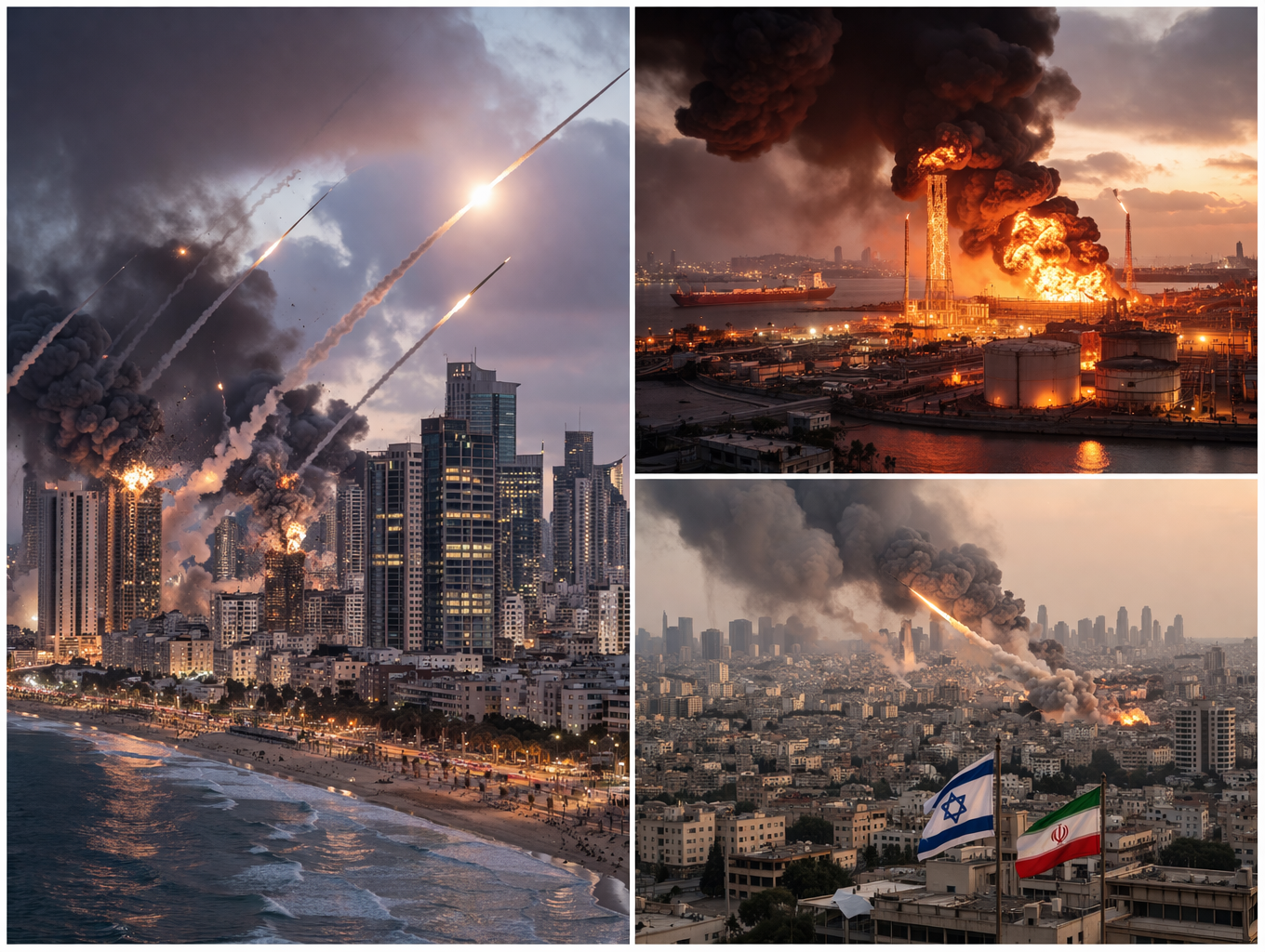
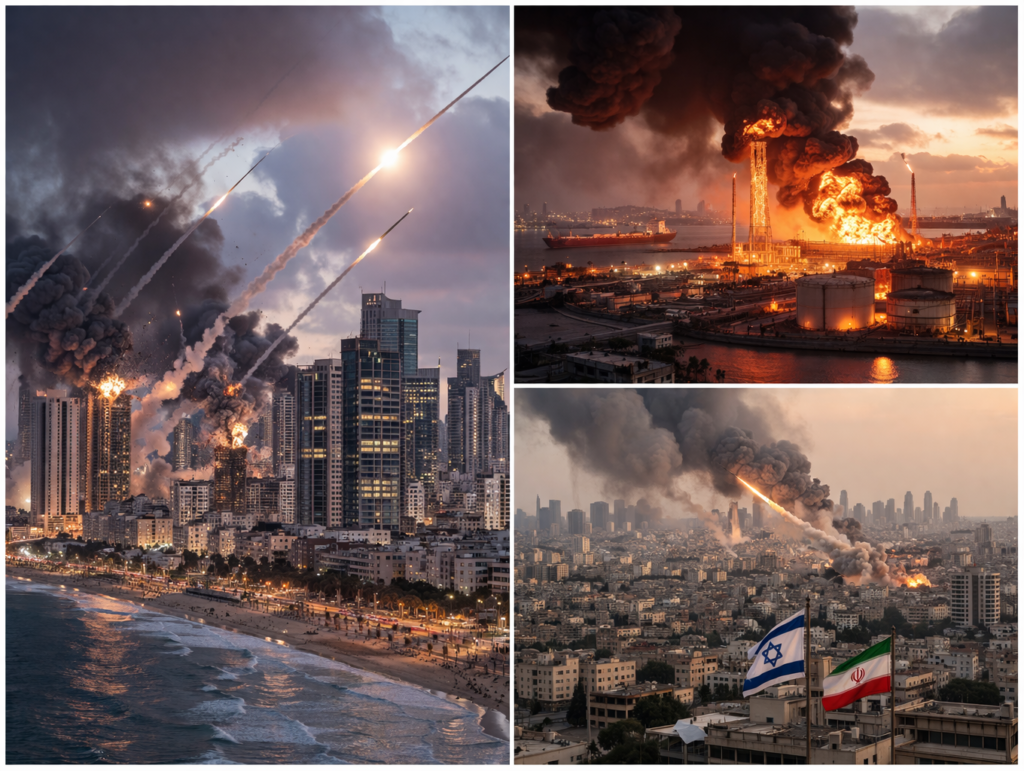
- Iran missile strike hits Tel Aviv residential block
- Hezbollah strikes Kiryat Shmona and Ashkelon
- Israel kills Iranian Intelligence Minister Esmaeil Khatib
- Pro-Iran PMF fighters killed in Iraq strikes
- A ship set on fire in the Strait of Hormuz
The war shows no sign of stopping. Trump’s demand for de-escalation clashes directly with Israel’s ongoing military campaign. The world watches as the 2026 Iran-Israel War reshapes the Middle East and threatens the global economy.

The International Desk covers world and Asian affairs, diplomacy and conflict, with a focus on what they mean for India. Stories are checked against at least two credible sources before publication.