
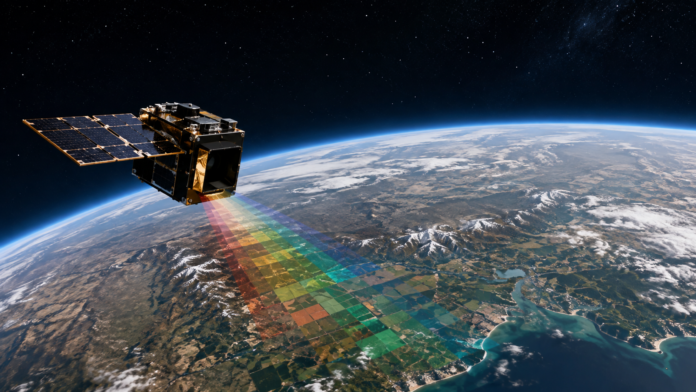

बेंगलुरु, 7 सितंबर 2026: भारतीय स्पेस-टेक कंपनी Pixxel ने Series C funding round में 100 मिलियन डॉलर, यानी लगभग 945 करोड़ रुपये, जुटाए हैं। कंपनी के अनुसार यह किसी भारतीय space-technology enterprise की अब तक की सबसे बड़ी single funding round है। Singapore के sovereign investor Temasek और British space investor Seraphim ने round की सह-अगुवाई की।
मौजूदा निवेशक Radical Ventures और growX Ventures के साथ 360 ONE Asset तथा Seoul की IMM Investment भी इस round में शामिल हुईं। इस पूंजी के बाद Pixxel की कुल funding 195 मिलियन डॉलर हो गई है। Reuters और ETtech ने कंपनी के बयान के आधार पर इन आंकड़ों की पुष्टि की है। कंपनी ने नई valuation सार्वजनिक नहीं की; इसलिए इस round से कोई अनुमानित valuation जोड़ना सही नहीं होगा।
मुख्य बातें
- Series C का आकार: 100 मिलियन डॉलर, लगभग 945 करोड़ रुपये।
- Co-lead investors: Temasek और Seraphim।
- अन्य प्रतिभागी: 360 ONE Asset, IMM Investment, Radical Ventures और growX Ventures।
- कुल घोषित funding: 195 मिलियन डॉलर।
- उपयोग: Honeybee satellite constellation, high-resolution optical imaging satellites और Aurora software platform का विस्तार।
- Valuation: कंपनी ने सार्वजनिक नहीं की।
Pixxel Funding 2026 किस काम में लगेगी?
नई पूंजी का पहला उद्देश्य sensing capability बढ़ाना है। Pixxel hyperspectral imaging satellites बनाती है, जो सामान्य कैमरे की तुलना में प्रकाश को कहीं अधिक spectral bands में दर्ज करते हैं। इससे फसल की सेहत, मिट्टी, खनिज, जल, प्रदूषण, जंगलों और औद्योगिक रिसाव के बारे में ऐसी जानकारी मिल सकती है जो साधारण visible-light image में स्पष्ट नहीं होती।
कंपनी Honeybee नाम की अगली satellite constellation और high-resolution optical imaging systems पर काम बढ़ाएगी। दूसरा बड़ा निवेश Aurora में होगा। Aurora पृथ्वी-अवलोकन data को एक software environment में जोड़कर governments, companies और researchers के लिए decision-ready insights तैयार करने का प्रयास है। Hardware से data capture और software से interpretation को एक platform में लाना Pixxel की व्यावसायिक रणनीति का केंद्र है।
कंपनी ने अब तक क्या बनाया है?
Pixxel की स्थापना Awais Ahmed और Kshitij Khandelwal ने की। कंपनी ने Firefly hyperspectral satellites की commercial constellation विकसित की और satellite manufacturing capability भी खड़ी की। Pixxel की आधिकारिक profile के अनुसार उसके छह commercial satellites orbit में हैं। कंपनी agriculture, energy, environment, mining और government missions के लिए Earth-observation data और analysis services उपलब्ध कराने का लक्ष्य रखती है।
Hyperspectral data का महत्व resolution से अलग है। High spatial resolution बताता है कि image में कितनी छोटी वस्तु अलग दिख सकती है; spectral resolution यह बताता है कि किसी surface या material की chemical और physical signature कितनी बारीकी से पहचानी जा सकती है। Commercial success के लिए दोनों के साथ revisit frequency, calibration, cloud cover और software usability भी निर्णायक होंगे।
भारत के निजी space sector के लिए अर्थ
भारत ने space sector को private companies के लिए अधिक खोलने के बाद launch vehicles, satellites, components, geospatial analytics और defence applications में निवेश आकर्षित किया है। 100 मिलियन डॉलर की round दिखाती है कि निवेशक केवल rocket launches नहीं, बल्कि recurring data और software revenue वाले Earth-observation business पर भी दांव लगा रहे हैं।
फिर भी funding और commercial scale एक ही बात नहीं हैं। Satellite बनाने, launch कराने, orbit में commission करने और लगातार calibrated data बेचने के बीच तकनीकी तथा वित्तीय जोखिम रहते हैं। Customers को imagery की accuracy, latency, coverage और contract economics का भरोसा देना होगा। Government procurement लंबा हो सकता है और global market में स्थापित US तथा European providers के साथ प्रतिस्पर्धा कड़ी है।
यह round भारत की wider technology investment story से भी जुड़ती है। IT services consolidation पर हमारी ITC Infotech–Happiest Minds deal analysis और घरेलू मांग व investment पर India GDP growth report उस corporate backdrop को समझाती हैं जिसमें deep-tech capital बढ़ रही है।
कृषि, जलवायु और सुरक्षा में संभावित उपयोग
कृषि में hyperspectral imagery पौधों के stress को आंख से दिखने वाले नुकसान से पहले पहचानने में मदद कर सकती है, हालांकि ground validation जरूरी रहता है। Mining में mineral mapping, environment monitoring में जल गुणवत्ता और methane जैसी emissions, तथा disaster response में प्रभावित terrain का analysis संभावित उपयोग हैं। Sovereign customers के लिए border mapping, maritime awareness और infrastructure monitoring भी अहम बाजार हो सकते हैं।
ऐसे applications में privacy, data sovereignty और dual-use technology के प्रश्न भी आते हैं। High-resolution Earth observation को commercial intelligence और national-security use के बीच स्पष्ट governance चाहिए। Pixxel की growth केवल satellites की संख्या से नहीं, बल्कि verified data quality, responsible access rules और durable customer contracts से मापी जाएगी।
अगले संकेत क्या होंगे?
निवेशक Honeybee satellites की production और launch schedule, Aurora में नए datasets के integration, बड़े commercial या sovereign contracts और revenue growth पर नजर रखेंगे। कंपनी ने funding amount और use-of-funds बताया है, पर नई valuation, detailed revenue, profitability timeline या प्रत्येक satellite की launch date सार्वजनिक नहीं की।
इसलिए आज का verified निष्कर्ष सीमित लेकिन महत्वपूर्ण है: Pixxel ने 100 मिलियन डॉलर की Series C पूरी की, कुल funding 195 मिलियन डॉलर तक पहुंची और capital को sensing तथा software विस्तार में लगाया जाएगा। इसे commercial सफलता का अंतिम प्रमाण मानने के बजाय भारत के private space ecosystem में बड़े पैमाने की नई financing milestone के रूप में पढ़ना चाहिए।