October 24: South Korea has proposed military talks with North Korea to clarify the location of their ground demarcation line, restore military communication channels and reduce the risk of accidental clashes. The proposal was announced on October 23. It is an offer to negotiate, not confirmation that Pyongyang has accepted a meeting or that a border agreement has been reached.
Key highlights
- Seoul wants the two sides to verify the Military Demarcation Line.
- Restoring communication channels and preventing accidental clashes are separate parts of the proposal.
- A possible role for the United Nations Command has been discussed.
- The reporting reviewed here does not establish an agreed meeting date or outcome.
What Seoul put forward
Yonhap reported that Deputy Defense Minister Kim Hong-cheol presented the proposal at a briefing, citing differing perceptions of where parts of the Military Demarcation Line lie. The agency described renewed outreach following a similar offer the previous year. It linked the latest tensions to a September mine explosion that injured South Korean troops.
Responsibility for that incident is disputed. Yonhap reported that Seoul blamed North Korea and that Pyongyang denied responsibility. Those positions should remain attributed; this article has not independently investigated the blast or established who laid a particular mine.
How talks could be arranged
KBS reported that the date and venue could be discussed at Panmunjom and that talks involving the United Nations Command could be considered if necessary. It said severed inter-Korean military communications meant the offer would likely be conveyed through the command’s channel with the North Korean military.
That reporting describes a possible route for transmitting and organising the proposal. It does not mean the channel has already produced an agreement. A request for a meeting, acknowledgement of that request, agreement on an agenda and an actual meeting are different stages, each requiring separate confirmation.
The three practical issues
| Proposed subject | Practical purpose | What would count as progress |
|---|---|---|
| Demarcation line | Reduce conflicting understandings of where troops may operate. | A mutually accepted process for checking locations. |
| Military communication | Allow direct contact when an incident or misunderstanding occurs. | A confirmed, functioning channel used by both sides. |
| Accidental clashes | Discuss procedures that prevent an encounter from escalating. | Agreed measures and evidence that units implement them. |
Editorial explanation of the proposal, not a list of agreed measures.
Why this is narrower than a peace settlement
SBS’s account of the announcement emphasised the danger of troops acting on different understandings of the line and reported that a three-party format remained an option. Those concerns are about immediate operational risks. They do not, by themselves, resolve the wider political disputes on the peninsula.
Our assessment is that the significance of a technical military discussion should be judged on its own terms. If it helps people communicate before a misunderstanding becomes a confrontation, that would be a meaningful outcome without necessarily implying broader reconciliation. Equally, the mere announcement of talks cannot be used as proof that the risk of conflict has disappeared.
How to read the next headlines
Readers should look for a response from North Korea that addresses this specific proposal, rather than treating any statement about inter-Korean relations as acceptance or rejection. They should also distinguish an official statement from an analyst’s expectation about what either side may do next.
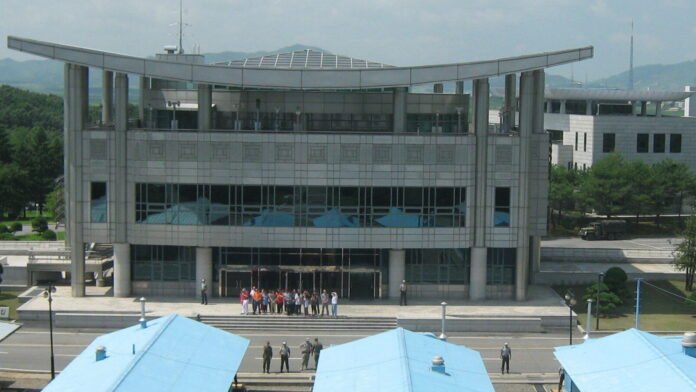
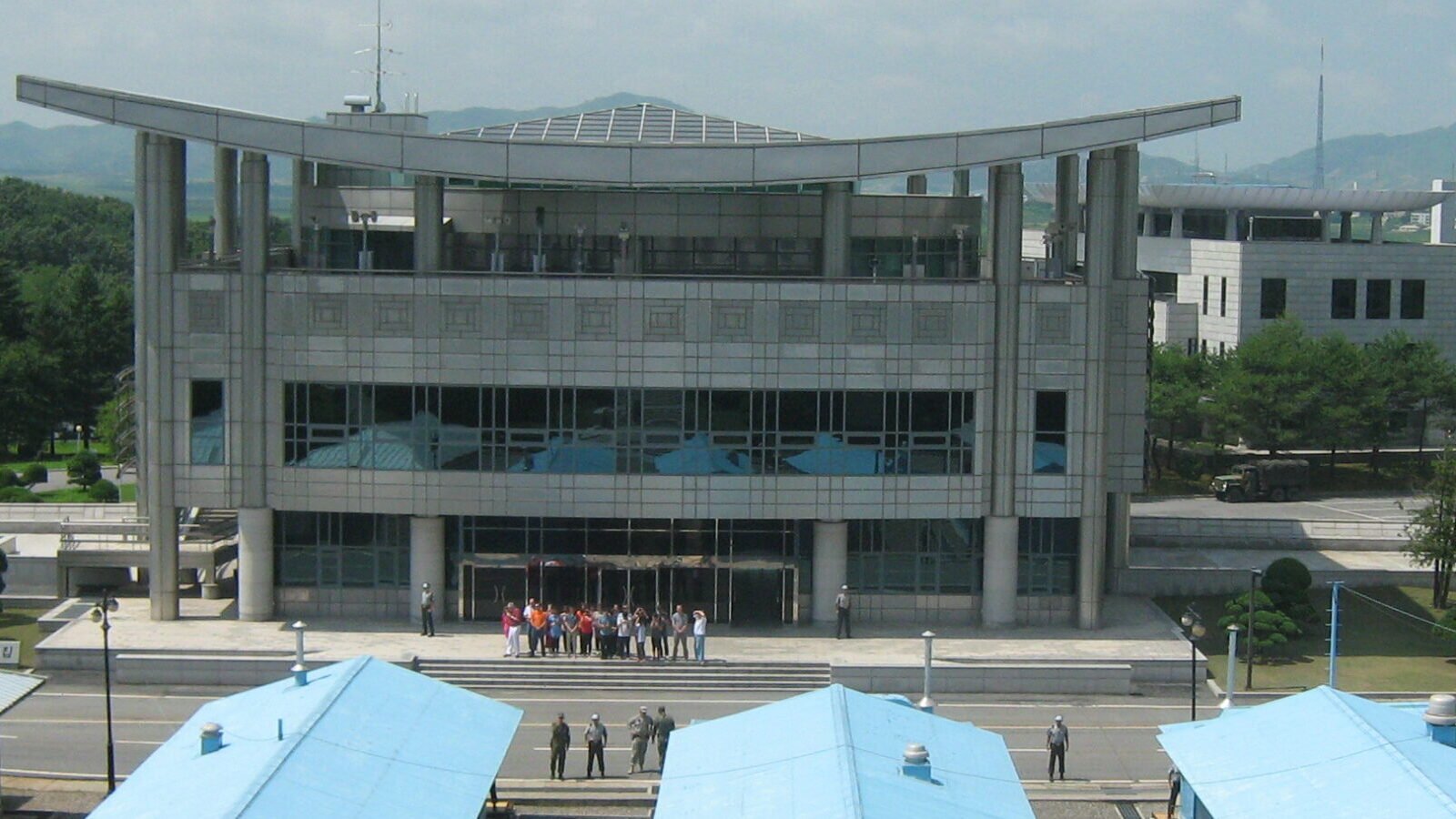
Reports of military activity need the same care. A claim about a border crossing, warning shots or construction should identify the reporting authority, place and date. It should not be combined with unrelated file footage to imply a new clash. The photograph accompanying this article is explicitly an older image of the Joint Security Area.
What remains unknown
The sources reviewed establish Seoul’s proposal and the stated subjects for discussion. They do not establish that a date has been agreed, that the North has restored a hotline or that either side has accepted the other’s interpretation of the border. Those remain questions for subsequent reporting.
For Asian readers following regional security, the immediate development is a renewed attempt to open military communication under strained conditions. The next substantive milestone would be a verifiable response, followed by an agreed arrangement for contact or talks. Until then, describing this as a completed diplomatic breakthrough would go beyond the available evidence.
Sources
- Yonhap: South Korea proposes military talks to resolve border location issue
- KBS World: South Korea proposes talks to clarify demarcation line
- SBS: Seoul proposes military talks to confirm MDL and restore hotlines

The International Desk covers world and Asian affairs, diplomacy and conflict, with a focus on what they mean for India. Stories are checked against at least two credible sources before publication.