The war between the United States and Iran has entered its 17th day, and the world is watching with growing alarm as both sides show no signs of backing down. What began as a coordinated US-Israeli military strike on Iran’s nuclear facilities on February 28, 2026, has now ballooned into a full-scale confrontation that is reshaping global energy markets, disrupting international diplomacy, and threatening to pull more nations into an increasingly dangerous conflict.
Trump Demands NATO Step In
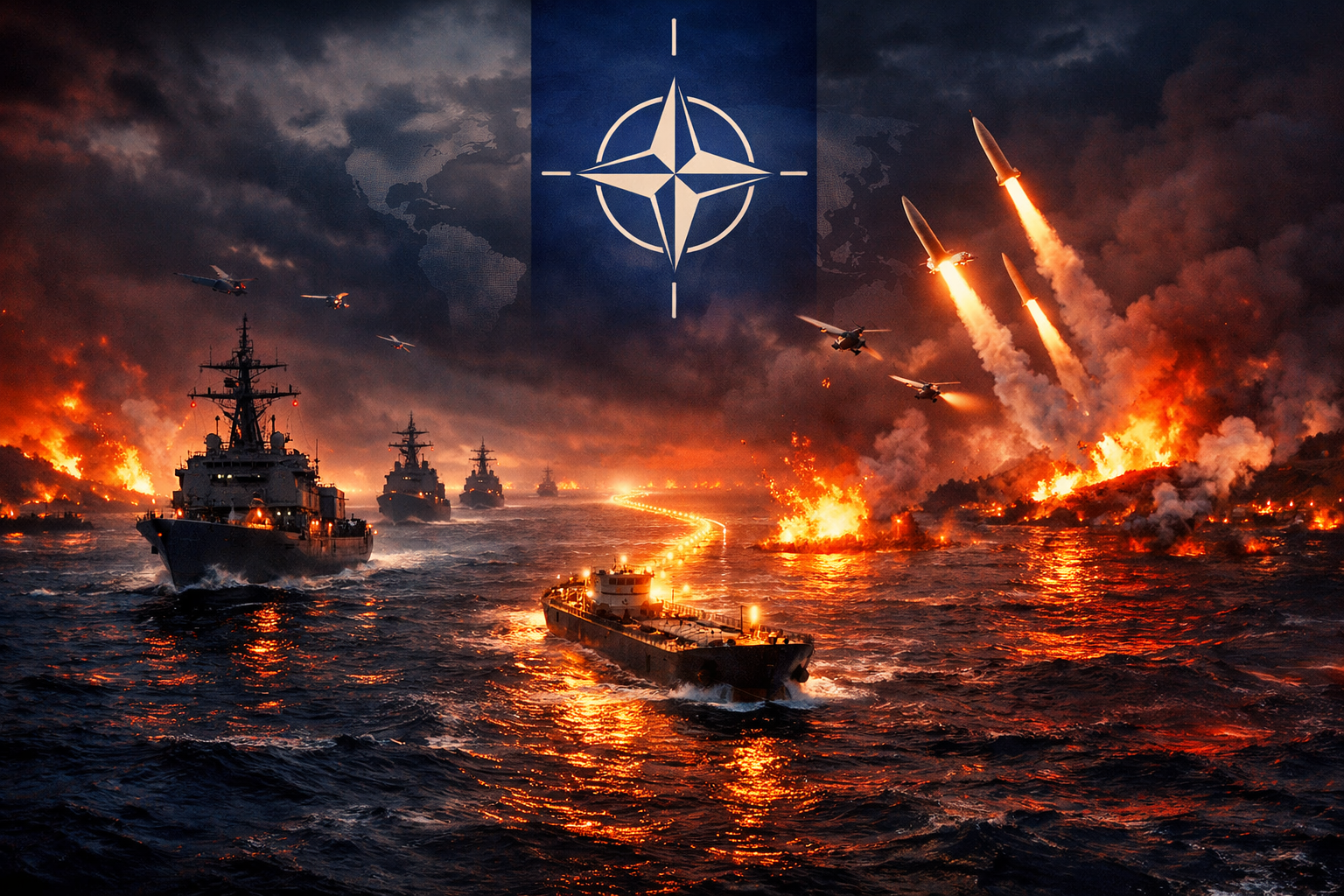
On March 17, 2026, US President Donald Trump escalated his rhetoric toward America’s NATO allies, demanding that they send warships to the Persian Gulf to help force open the Strait of Hormuz, the world’s most critical oil shipping lane that Iran has effectively blockaded. Trump warned in unusually blunt language that NATO could face a “very bad future” if member nations continue to refuse his demand.
So far, several major European NATO members — including Germany, France, and Italy — have declined to send military assets to the region, arguing that direct military involvement risks drawing the entire alliance into the war. Canada, while refusing to send warships, has promised to ramp up its domestic oil production to help stabilise world supply.
“We are in communication with China. I’d love to go, but because of the war, I feel it’s necessary for me to be here,” Trump told journalists at the White House on Monday, explaining his decision to delay his planned summit with Chinese President Xi Jinping. Trump had been due to visit Beijing from March 31 to April 2, but has now asked China to postpone the meeting by “about a month” so he can remain in Washington to oversee military operations.
Iran’s Response: Defiant and Dangerous
Iran has shown no intention of standing down. Iranian Foreign Minister Abbas Araghchi declared on March 17 that “Iran will take the war as far as necessary,” sending a clear signal that Tehran is prepared for a prolonged conflict rather than a quick ceasefire. Iran has continued launching waves of strikes across the Gulf, targeting US naval assets, oil infrastructure, and commercial shipping lanes.
Iranian drones struck a fuel depot near a major Gulf airport, causing a massive fire and forcing the cancellation of dozens of flights. The incident has sent aviation insurance costs skyrocketing, with several international airlines already suspending routes over Gulf airspace, adding to global travel and logistics disruptions.
US jets have struck military facilities near Iran’s Chabahar trade zone, a strategically significant port on Iran’s southeastern coast that India has invested billions of dollars to develop. The targeting of Chabahar adds a new geopolitical dimension, directly threatening India’s strategic infrastructure and its access to Central Asian trade routes.
Oil Prices and the Global Economy
The prolonged closure of the Strait of Hormuz — through which 21 million barrels of crude oil pass every day — has sent energy markets into a frenzy. Brent crude climbed further on March 17, with analysts at Kotak Securities warning that prices could hit $120 per barrel in the near term and surge to $150 per barrel if the conflict drags on beyond a month.
The UAE — OPEC’s third-largest producer — has been forced to shut in more than half its oil production due to security threats, according to Reuters. Saudi Arabia has stepped in to increase output, but analysts say it is not enough to fully compensate for the loss of Hormuz traffic.
The International Energy Agency (IEA), in its largest-ever intervention, has committed to releasing 400 million barrels of crude oil from member nations’ strategic reserves, with more potentially on the way. But with no ceasefire in sight, markets remain deeply nervous.
Al Jazeera’s economics programme Counting the Cost aired a special on March 17 asking the question that is on every economist’s mind: “Could the Iran war trigger a global recession?” The answer, increasingly, is that it depends on how long this war lasts.
The Diplomatic Deadlock
The war has thrown global diplomacy into chaos. Trump’s decision to delay his Xi summit is particularly significant, as the US had been counting on Chinese cooperation to pressure Iran diplomatically. China, which buys more than a quarter of its oil from the Gulf, has a massive stake in ending the conflict — but Beijing is also quietly exploiting the crisis to consolidate its strategic position in the region.
According to Bloomberg, Trump’s delay of the Xi summit actually buys China time to “game out” the war — assessing how long it lasts, how weak it leaves the US diplomatically, and how Beijing can position itself to emerge stronger from the chaos.
Russia and Germany have joined Pakistan in publicly calling for an immediate ceasefire, but none of these countries have the leverage to force one. The United Nations Security Council has been paralysed, with the US vetoing any ceasefire resolution.
With Day 17 giving way to Day 18, the world is holding its breath. The US-Iran war is no longer just a Middle East story — it is reshaping global energy, economics, and geopolitics in real time.

The International Desk covers world and Asian affairs, diplomacy and conflict, with a focus on what they mean for India. Stories are checked against at least two credible sources before publication.