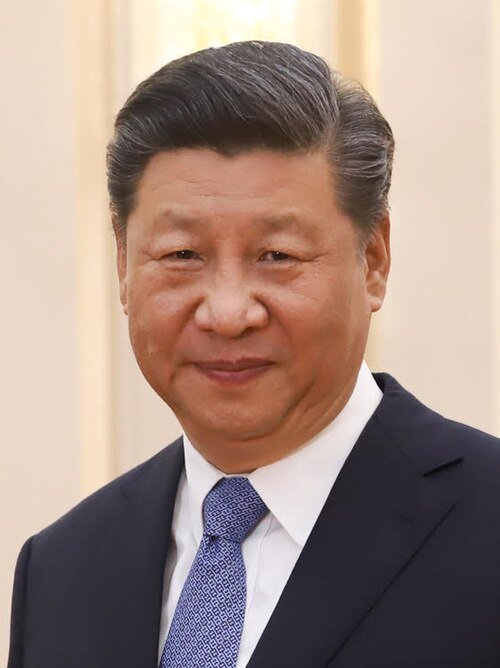
November 18: Chinese President Xi Jinping called for open trade, stable supply chains and cooperation on artificial intelligence in a November 18 address to the APEC CEO Summit in Shenzhen. His speech offered a statement of China’s regional priorities as business and political leaders gathered for the Asia-Pacific meetings.
Key highlights
- Xi supported the WTO-centred trading system and progress toward an Asia-Pacific free-trade area.
- Digital trade, cross-border e-commerce, smart customs and AI cooperation featured in the address.
- The speech did not itself publish an agreed regional tariff schedule or a completed leaders’ declaration.
What Xi put before business leaders
The official English text published by China’s Foreign Ministry organised the regional message around stability, openness, innovation and shared development. Xi argued that economic integration should include developing economies and different communities, rather than assuming all economies have the same capabilities or needs.
He also promoted cooperation in digital transformation, greener industries and cross-border supply chains. These themes link domestic investment decisions with regional trade rules: companies need to know not only where demand is growing, but whether components, data and services can move across borders predictably.
Promises to open markets need implementation
In the China-focused part of the address, Xi presented the country as a market for international goods and services and an arena for technological development. He said China would pursue improvements involving market access, rules, regulation and standards. These statements describe the government’s intended direction.
For a business assessing an opportunity, the operational evidence comes later: published rules, sector-specific permissions, customs instructions and enforceable contracts. A speech can signal priorities but cannot, by itself, establish the tariff a shipment will pay or the licence a foreign service provider will receive. The distinction is particularly relevant in regulated technology sectors.
Why the APEC setting matters
APEC brings together economies with different development levels and economic systems. Cooperation can therefore advance through practical work on customs, connectivity and standards as well as broader political statements. A discussion of a future free-trade area should not be read as an announcement that a single new agreement has entered into force.
The business summit and the leaders’ meeting are also different events. Xi’s address is evidence of what he proposed to executives, while any later joint leaders’ outcome would need to be read on its own terms. Bilateral meetings held alongside APEC likewise need separate confirmation before their results are described as regional commitments.
At a glance
| Theme in the address | Practical question for business |
| Open trade | Which barriers or rules will change? |
| Supply chains | How will customs and connectivity improve? |
| AI and digital cooperation | What standards and access rules will apply? |
| Inclusive development | Who can participate and benefit? |
What to watch
Watch for official APEC outcome documents and concrete follow-up measures. For Asian manufacturers and service exporters, details of implementation will be more useful than assuming every opening-up pledge immediately changes trading conditions.
Sources
- China Foreign Ministry: Xi Jinping’s APEC CEO Summit keynote
- China Foreign Ministry: Account of the summit opening

The Business Desk covers markets, the economy, companies and personal finance. Stories are checked against at least two credible sources before publication.