November 11: The European Commission has opened consultation on revised election guidelines under the Digital Services Act, proposing stronger safeguards against AI-generated deepfakes and coordinated information manipulation. Feedback is invited until November 23, 2026. The document is a draft update, not an announcement that its proposals have all taken effect.
Key highlights
- The consultation opened on November 10.
- It addresses designated very large platforms and search engines.
- Proposals cover recommendation systems, deepfake labels and candidate protection.
- Safeguarding freedom of expression remains part of the stated framework.
What the Commission proposes
The consultation identifies five areas of change: tackling foreign manipulation networks, testing recommendation systems, improving safeguards for AI-generated content, protecting candidates and strengthening accountability. The Commission proposes keeping deepfake labels attached when content is shared and improving responses to illegal deepfakes involving candidates.
It also proposes algorithm testing before national elections, records of significant recommender-system changes during the preceding six months and post-election reporting. These are proposals in the consultation, rather than evidence that a particular platform has already completed the measures.
The process at a glance
| Item | Confirmed position |
|---|---|
| Consultation opens | November 10, 2026 |
| Feedback deadline | November 23, 2026 |
| Previous guidelines | Adopted in April 2024 |
| Main addressees | Designated very large platforms and search engines |
| Current stage | Draft revision open for feedback |
Why readers should distinguish guidance from a new law
The Commission’s announcement places the update within existing DSA duties to assess and mitigate systemic electoral risks. A revised guideline explains approaches to those duties; the consultation itself should not be described as a new election law applying immediately to every website.
That distinction matters to publishers as well as platforms. A news site reporting the proposal should identify who it addresses, which parts are still under discussion and the date of the consultation. Those details prevent a future-facing policy announcement from becoming a misleading statement of current obligations.
The relevance for Asian technology businesses
The issue is a company’s relevant EU service and regulatory status, rather than the nationality of its founders or users. Asian businesses serving European audiences therefore need to examine the specific scope before concluding whether a proposal affects them.
For readers encountering political video or audio online, a label provides information about provenance; it does not by itself settle whether an underlying statement is accurate. Verification still involves the original recording, context and the claim being made.
What to watch
The next step is the consultation’s close and the Commission’s subsequent decisions on the text. Changes between the draft and final version will be material. The Commission says the proposals are content-neutral and do not request deletion of lawful material or single out a political viewpoint.
Assessment of the eventual framework should consider both protection against manipulation and the treatment of legitimate political expression. Announcing safeguards and showing that they work fairly are separate tests.
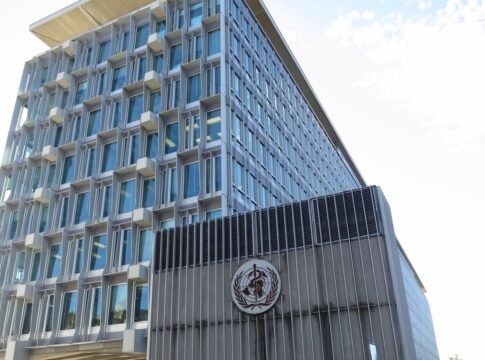
File photo: European Commission Berlaymont building, March 8, 2015. Andersen Pecorone / Wikimedia Commons, CC BY 2.0. Cropped and resized; not the November 2026 consultation event.
Sources
- European Commission: Consultation announcement
- European Commission: Draft changes, scope and consultation dates

The Tech Desk covers technology, artificial intelligence and cybersecurity. Stories are checked against at least two credible sources before publication.