India and Japan reviewed cooperation on road infrastructure at a meeting in New Delhi on October 15, with tunnel and bridge engineering, advanced construction methods and digital road management among the central subjects.
The 12th session of the Joint Working Group on Roads and Road Transportation was held at Bharat Mandapam. The Ministry of Road Transport and Highways said representatives of both governments, technical institutions and industry took part.
What the talks covered
The discussion extended across the life of a road project: planning, construction, operation and maintenance. The ministry highlighted sustainable infrastructure and the use of new and digital technologies, alongside the exchange of engineering experience.
| Area | Focus described in the announcement |
|---|---|
| Construction | Advanced techniques and sustainable practices |
| Structures | Tunnel and bridge engineering |
| Management | New and digital technologies in road infrastructure |
| Technical exchange | Presentations, practical experience and questions between participants |
Why railways and power officials were involved
The ministries responsible for railways and power also participated. The release describes this as a whole-of-government approach. Their presence is relevant because infrastructure planning is not limited to a road’s surface: coordination between transport networks and other public systems can influence how projects are developed.
The official account does not, however, identify a specific railway or power project agreed at the meeting. Participation should not be presented as the award of a cross-sector construction contract.
A cooperation meeting, not a project launch
The announcement reports technical discussions and a reaffirmation of cooperation. It does not name a newly approved highway, tunnel or bridge, or set out a financing package, tender, completion date or construction start.
That distinction matters for commuters and businesses looking for changes on a particular route. The meeting may inform future collaboration, but the release does not establish that work has been sanctioned at any named location.
What to watch next
The most useful follow-up will be evidence of how the technical exchanges are applied: project-specific decisions, published standards, procurement documents or implementation milestones. Those would show whether broad discussions have become measurable changes in construction or road management.
For now, the confirmed development is that the two countries have continued their formal technical dialogue, with safety, sustainability and technology among the stated priorities. The ministry places that cooperation within India’s longer-term infrastructure and connectivity objectives.
Sources and image credit
Reporting source: Official ministry announcement, October 15, 2026. This report distinguishes announced decisions from details not disclosed in the source.
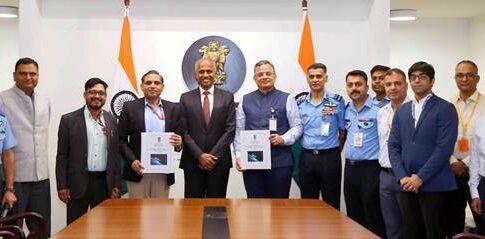
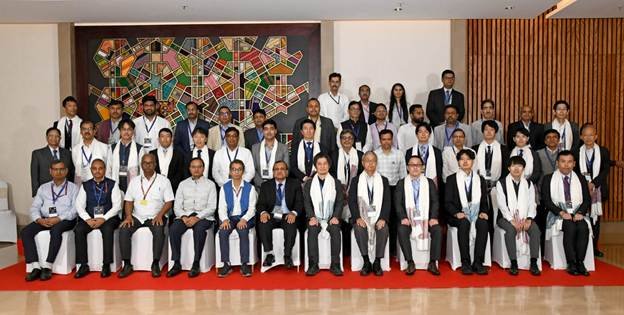
Photo: Ministry of Road Transport and Highways / PIB, October 15, 2026. Delegates at the India–Japan Joint Working Group meeting. Image source · Reuse terms.

The National Desk covers India's politics, governance, security and public-interest news. Stories are checked against at least two credible sources before publication.