October 21: India’s Ministry of Defence signed a contract worth approximately ₹770 crore with Bharat Electronics Limited for improved low-level lightweight radars for the Indian Army, the ministry announced on Wednesday. The procurement focuses on detecting aerial targets, including small drones, and prioritising threats for air-defence operators.
Key highlights
- The contract is for the Improved Low Level Light Weight Radar, or LLLR-I.
- The ministry puts the value at approximately ₹770 crore.
- Reported capabilities include tracking fighter-size targets and mini or micro drones.
- The announcement concerns procurement; it does not establish that all systems have been delivered.
What the ministry announced
The official release, published by the Press Information Bureau at 3.30 p.m., said the agreement was signed in New Delhi in the presence of Defence Secretary Rajesh Kumar Singh. It identifies BEL as the supplier and the Army as the user.
According to the ministry, the radar can detect and track fighter-size targets as well as mini and micro drones. It also has an additional capability to prioritise aerial targets, intended to help the Army respond to unmanned aerial systems.
At a glance
| Question | Confirmed detail |
|---|---|
| Buyer | Ministry of Defence, for the Indian Army |
| Supplier | Bharat Electronics Limited |
| Equipment | Improved Low Level Light Weight Radar |
| Approximate contract value | ₹770 crore |
| Announced capability | Target detection, tracking and prioritisation |
Why low-level surveillance matters
The Tribune’s defence correspondent Ajay Banerjee reported that the system is designed for tactical surveillance and can track a range of objects from fighter-size aircraft to mini and micro drones with small radar signatures. The report also highlights the equipment’s portability for deployment in difficult terrain.
Surveillance is one part of an air-defence response. Detecting an object and deciding which target deserves attention are different tasks from intercepting it. The ministry’s release describes a radar capability; it should not be read as a claim that a radar alone physically destroys every drone it detects.
The target-prioritisation feature is important for understanding the announcement. When several aerial objects are present, operators need usable tracking information and an order of attention. That helps explain the operational purpose without inventing an engagement range, interception rate or performance specification not supplied in the announcement.
Domestic manufacturing, with details still to come
The ministry presents the procurement as support for indigenous air-defence platforms and the domestic manufacturing ecosystem, including micro, small and medium enterprises. The Tribune separately describes participation by domestic suppliers as part of the manufacturing impact.
The reviewed official announcement does not specify the number of radars or provide a delivery schedule. It would therefore be premature to calculate a price per radar, identify deployment locations or announce that an Army-wide rollout has been completed.
What to watch
Further disclosures from the ministry or BEL may clarify delivery milestones, production arrangements and induction. Those details will show how the signed procurement moves into operational service. For now, the confirmed development is the contract and the stated detection, tracking and prioritisation capabilities—not an independently tested assessment of battlefield performance.
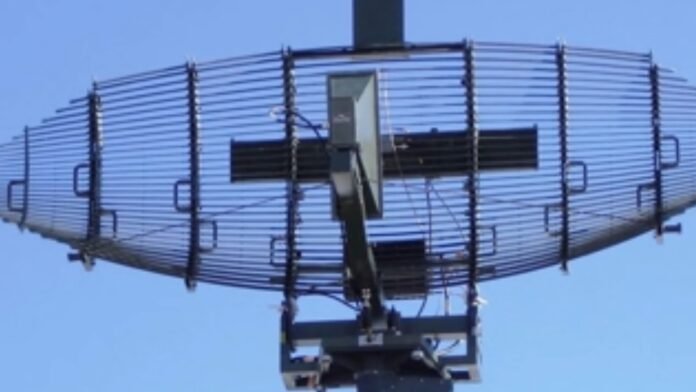
File photo: Aditya4421, 2020; CC0 1.0; related Bharani radar, not the newly ordered LLLR-I; cropped and resized. Image source · Licence.
Sources
- Ministry of Defence / PIB: MoD inks ₹770 crore contract to procure improved low level light weight radars
- The Tribune: Defence ministry signs Rs 770-cr deal with BEL for advanced low-level radars to counter drone threat

The National Desk covers India's politics, governance, security and public-interest news. Stories are checked against at least two credible sources before publication.