October 27: German Chancellor Friedrich Merz’s official programme places Singapore at the start of an Asian diplomatic tour, followed by Japan and South Korea this week. The published itinerary combines meetings with national leaders and business events, with economic cooperation and security among the priorities.
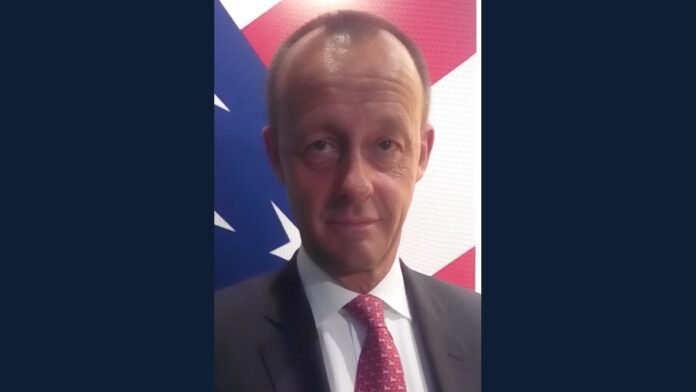
File photo: Friedrich Merz in Düsseldorf, 2016. Mozamaniac / Wikimedia Commons, CC BY-SA 3.0. Resized with side padding. Image source · Licence
Key highlights
- Singapore has announced an official visit on October 27–28.
- The German itinerary lists Tokyo on October 28 and Seoul on October 29–30.
- A business delegation is accompanying the chancellor.
- Scheduled meetings should not be confused with agreements already concluded.
Singapore programme
Singapore’s Ministry of Foreign Affairs describes this as Merz’s first visit to the country. Its announcement lists talks with Prime Minister and Finance Minister Lawrence Wong, a call on President Tharman Shanmugaratnam and lunch with Senior Minister Lee Hsien Loong.
The ministry also announced the 49th Singapore Lecture, organised by ISEAS–Yusof Ishak Institute, on Germany’s partnership, competitiveness and resilience in the Indo-Pacific. These are the host government’s advance arrangements; the notice does not establish the outcome of each engagement.
Where the tour goes next
The German government’s separate announcement places a meeting with Prime Minister Sanae Takaichi in Tokyo on October 28. Business engagement there includes a German–Japanese summit and a company visit. South Korea follows, with President Lee Jae Myung on the programme and the opening of the 19th Asia-Pacific Conference of German Business on October 30.
| Stop | Published schedule | Main announced focus |
|---|---|---|
| Singapore | October 27–28 | Leadership meetings and Singapore Lecture |
| Japan | October 28 | Government and business meetings |
| South Korea | October 29–30 | Leadership talks and business conference |
Why the route matters
The sequence brings three distinct Asian partners into the same diplomatic programme. For readers following Europe–Asia relations, the useful comparison will be between the priorities announced before departure and the commitments documented afterwards. A meeting, a conference appearance and an investment agreement are different developments and should be assessed separately.
What to watch
Joint statements and official readouts will show whether the visit produces specific trade, industrial or security commitments. Until those are available, the published schedule supports an account of the agenda, rather than claims about deals or policy changes.
Sources
- Singapore Ministry of Foreign Affairs: Official visit by Federal Chancellor Friedrich Merz
- German Federal Government: Chancellor Merz travels to Singapore, Japan and South Korea

The International Desk covers world and Asian affairs, diplomacy and conflict, with a focus on what they mean for India. Stories are checked against at least two credible sources before publication.