October 28: Malaysia’s Finance Ministry has blocked a petrol station in Sungai Buaya, Nibong Tebal, Penang, from selling subsidised RON95 petrol and diesel under BUDI MADANI after complaints that recipients’ MyKad details were used without their knowledge.
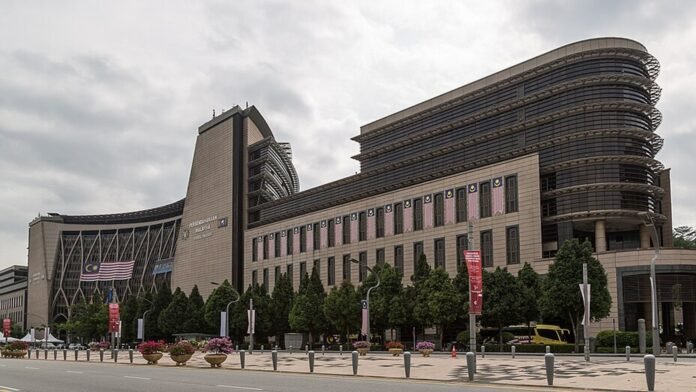
File photo: Malaysia’s Ministry of Finance in Putrajaya, September 6, 2013. Photo by CEphoto, Uwe Aranas / CC-BY-SA-3.0, via Wikimedia Commons. Cropped and resized; the photograph does not show the petrol station under investigation. Image source · Licence
Key highlights
- The ministry says a review identified more than 1,000 manual-bypass transactions.
- The transactions involved over 100,000 litres of petrol and more than RM270,000 in subsidies.
- Subsidy payments to the station are being withheld, subject to further reconciliation.
- Nine people have also been blocked from the subsidy facility while follow-up action proceeds.
What triggered the review
The ministry said several recipients discovered that their identification details had been used for subsidised purchases they did not know about. All complainants had lodged police reports. Officials then examined the station’s transaction records.
The Malay-language statement is dated October 27 at its foot and was posted on the ministry’s website on October 28. This report uses the website publication date and distinguishes it from the date printed on the statement.
The action announced
| Measure | Scope in the ministry’s statement |
|---|---|
| Station restriction | No subsidised RON95 or diesel sales under BUDI MADANI |
| Payment hold | Initial amount exceeding RM270,000, subject to reconciliation |
| Individual restrictions | Nine people, including the station owner and family members |
| Further review | Transaction records of other potentially connected individuals |
What the figures do and do not establish
The transaction, fuel-volume and subsidy figures are the ministry’s account of its review. They should not be treated as a court verdict. The release describes suspected misuse and follow-up checks; it does not identify a completed criminal trial or establish the guilt of every person whose records are being examined.
Nor can a reliable per-litre subsidy be calculated by simply dividing the figures. Each amount is reported as “more than” a threshold, leaving the precise numerator and denominator unknown. A ratio using those rounded lower bounds could mislead readers about the actual transactions.
Why identity records matter
The central issue is whether a subsidised transaction was genuinely authorised by the person whose details were recorded. That question is distinct from whether fuel was physically dispensed. The ministry’s use of transaction checks alongside police complaints illustrates why both the record and the person’s account matter.
The statement does not name a fuel brand or announce a nationwide suspension of the programme. The action described concerns the station and individuals specified by the ministry.
What to watch
Further official findings, reconciliation of the withheld amount and any confirmed enforcement proceedings will show how the case develops. Until then, the allegations remain attributed to the Finance Ministry and should not be expanded to unnamed businesses or other users.
Sources

The Business Desk covers markets, the economy, companies and personal finance. Stories are checked against at least two credible sources before publication.