October 29: LG Electronics reported third-quarter revenue of KRW23.82 trillion and operating profit of KRW781.9 billion in its October 28 results. The company also highlighted more than KRW3 trillion in cumulative orders for AI data-centre cooling, adding an industrial-growth strand to its consumer-electronics business.
Key highlights
- The quarterly results cover July–September 2026.
- Nine-month operating profit reached KRW4.03 trillion, up 55.9% year on year.
- The 55.9% growth figure applies to the cumulative nine-month result.
- Cooling orders and planned investment are distinct from recognised quarterly revenue.
Keep the quarter and nine months separate
| Measure | Period | Reported amount |
|---|---|---|
| Revenue | Q3 2026 | KRW23.82 trillion |
| Operating profit | Q3 2026 | KRW781.9 billion |
| Revenue | January–September 2026 | KRW71.38 trillion |
| Operating profit | January–September 2026 | KRW4.03 trillion |
LG said cumulative revenue rose 9.2% and cumulative operating profit rose 55.9%. Pairing that profit-growth percentage with only the third-quarter profit figure would mix two different reporting windows.
Our calculation: KRW781.9 billion divided by quarterly revenue of KRW23.82 trillion gives an operating margin of approximately 3.28%. Both amounts must first be expressed in the same unit.
Why the cooling order book matters
LG said cumulative AI data-centre cooling orders exceeded KRW3 trillion, compared with about KRW600 billion at the end of the first half. It also described planned additional production-capacity investment of KRW220 billion.
Orders, investment and revenue capture different stages of a business. An order records demand under the relevant commercial arrangement; investment builds capability; revenue appears according to the applicable recognition process. Adding those amounts together would not produce a meaningful sales total.
For readers tracking AI infrastructure, cooling is one link in the chain alongside power, computing equipment and construction. A supplier’s order announcement helps identify demand for that link. Project completion, installation and service performance need their own subsequent records.
Business customers and recurring services
LG reported quarterly B2B revenue of KRW6.1 trillion and subscription revenue of KRW760 billion. These supplementary business lenses help describe how it serves customers beyond a one-time retail purchase.
They should be read within the company’s reporting framework. Different business measures can overlap, so the safest comparison retains the definitions used in the release rather than adding every headline amount to consolidated revenue.
A subscription model also raises different commercial questions from an outright equipment sale: what service is included, how maintenance is provided and how payments are spread. A growth announcement does not resolve those terms for a particular customer, but it identifies an area worth following.
What Asian customers can learn from the release
The financial figures cover the consolidated business. They do not provide a separate sales total for every Asian country or demonstrate that all local product categories performed alike. Regional availability and service arrangements still depend on country-level information.
The useful follow-up for a business considering cooling equipment would connect the announced capacity plans to an actual product, delivery schedule and support arrangement. For a household comparing subscriptions, the relevant record would be the current local contract. The same company-wide release provides context for both without replacing either assessment.
What to watch
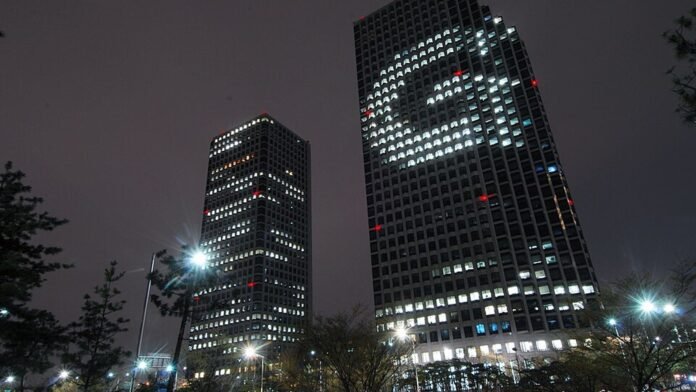
Subsequent financial disclosures and updates on production investment will show how the order book develops into operations. The photograph is an archived view of LG’s Seoul headquarters from 2013, with its date and licence disclosed in the caption.
Sources

The Business Desk covers markets, the economy, companies and personal finance. Stories are checked against at least two credible sources before publication.