NEW DELHI, November 5: The Union Health Ministry has proposed two changes to the Drugs Rules, 1945: adding more inland container depots, a special economic zone and an international airport to the list of places through which medicines, medical devices and cosmetics can be imported, and tightening the limits on microbial contamination in the cleanest areas of sterile drug plants to match World Health Organization (WHO) guidelines. Both drafts are open for public comment.
Key highlights
- Import gateways: an amendment to Rule 43A would add eight inland container depots, one special economic zone and Noida International Airport as authorised entry points.
- Why: importers could clear consignments closer to their factories and warehouses, cutting transport distances, costs and delays.
- Sterile manufacturing: an amendment to Schedule M, notified in draft as G.S.R. 953(E) on October 28, 2026, would align microbial limits for Grade A clean areas with WHO Technical Report Series No. 1044, Annex 2.
- Investigation trigger: any microbial growth found in a Grade A area would have to be treated as a trigger for investigation, as WHO guidance requires.
- Comments: objections and suggestions go to the Under Secretary (Drugs Regulation) at the Health Ministry.
| Proposed location | State |
|---|---|
| ICD Sonipat, ICD Piyala, ICD Harsaru | Haryana |
| ICD Dadri | Uttar Pradesh |
| ICD Gandhidham/Mundra | Gujarat |
| ICD Sanath Nagar, ICD Thimmapur (Hyderabad) | Telangana |
| ICD Whitefield (Bengaluru) | Karnataka |
| SEZ Bommasandra | Karnataka |
| Noida International Airport (imports by air) | Uttar Pradesh |
These would be added to the existing network, which includes the inland container depots at Dhannad and Tihi in Indore, Madhya Pradesh, and the airports already notified for drug imports.
What changes for sterile drug makers
Grade A areas are the most critical zones in sterile manufacturing, where exposed products, containers and sterilised components are handled. The ministry said the current Schedule M limits for microbial contamination in these areas differ from WHO’s, and the amendment would remove that gap. This follows another draft amendment, published on November 3, to require a named, qualified person to authorise the release of each drug batch (our report).
Our calculation
- The Rule 43A draft names 10 new gateways in total: eight inland container depots, one SEZ and one airport.
- The two drafts, along with the batch-release draft, make three changes to the Drugs Rules proposed within a week.
What it means
For importers, more gateways near manufacturing clusters in Haryana, Uttar Pradesh, Gujarat, Telangana and Karnataka could mean faster and cheaper clearance. For patients, tighter clean-room rules in sterile plants, which make injections and eye drops, aim to reduce the risk of contamination and bring Indian rules closer to the standards that buyers abroad expect.
What to watch
- Final notification of both amendments after the comment period.
- The deadline that drug makers will be given to meet the revised Schedule M limits.
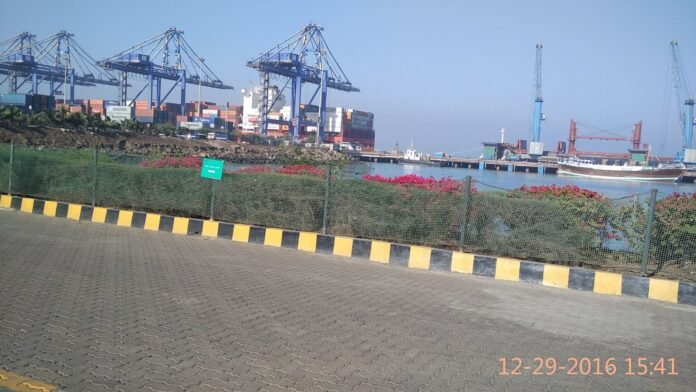
Cargo handling at Mundra, Gujarat. ICD Gandhidham/Mundra is among the proposed new import gateways. Image: Umang roxx, CC BY-SA 4.0, via Wikimedia Commons. Photo source · Licence
Sources
- PIB (Ministry of Health and Family Welfare): Expansion of authorised import gateways for drugs, medical devices and cosmetics, November 3, 2026
- PIB (Ministry of Health and Family Welfare): Amendments to Schedule M to align Grade A microbial monitoring with WHO guidelines, November 4, 2026
- The Gazette of India (eGazette)

The National Desk covers India's politics, governance, security and public-interest news. Stories are checked against at least two credible sources before publication.