November 17: European Union defence ministers are scheduled to examine security challenges and critical dependencies in relations with China at talks in Brussels. The Council’s published agenda also places Ukraine’s air defence and transatlantic security on the programme. This report describes the announced agenda; it does not claim that ministers have reached new decisions.
Key highlights
- Kaja Kallas is listed as chair of the Foreign Affairs Council defence meeting.
- The China discussion includes critical dependencies.
- Ukraine’s defence minister is invited to discuss urgent needs.
- A published agenda is distinct from an adopted policy or final communiqué.
The Asia-related issue on the table
The Council’s meeting page says the opening discussion will cover the security and defence aspects of EU–China relations. Its background brief adds European security, freedom of navigation, partnerships and supply chains as expected themes. The documents set out topics for discussion without announcing a new restriction on trade.
That distinction matters for Asian companies following European security policy. A discussion about dependence can lead to further policy work, but the agenda itself does not identify a new prohibited product, compliance deadline or sanctions designation. Those require a separate, specific decision or legal instrument.
The programme at a glance
| Session | Published focus |
| EU–China relations | Security challenges and critical dependencies |
| Ukraine | Air defence and defence-industrial cooperation |
| Transatlantic security | EU–US and EU–NATO cooperation |
| Reporting status | Agenda preview; outcomes not established here |
Ukraine and defence-industry cooperation
The Council says the Ukraine session will focus on air defence and integration into the European defence technological and industrial base. Defence Minister Yevhenii Khmara is listed as joining the discussion. The background brief connects the exchange with a European Commission proposal for an EU–Ukraine defence-industrial partnership memorandum.
A proposal, a ministerial exchange and a signed arrangement represent different stages. The presence of a proposal on a meeting programme does not establish that its final text has been approved. Subsequent reporting should identify the document actually adopted and the institutions responsible for putting it into effect.
The transatlantic discussion
The published programme lists US Under Secretary of War for Policy Elbridge Colby for the transatlantic exchange. The background note identifies cooperation, support for Ukraine and the US force-posture review among the subjects. It also lists a preceding European Defence Agency steering-board meeting.
For readers across Asia, the significance is the connection between regional supply chains and European defence planning. However, practical consequences for a supplier cannot be established from the meeting title alone. The scope of any later measure, its legal status and its effective date would need to be checked.
What to watch
The next authoritative material will be the Council’s published results, statements and any adopted texts. A press conference can explain ministers’ positions, while legal documents establish binding measures where applicable. Until those are available, claims that the meeting has already produced new China sanctions or agreed an entire defence package would go beyond the evidence used for this preview.
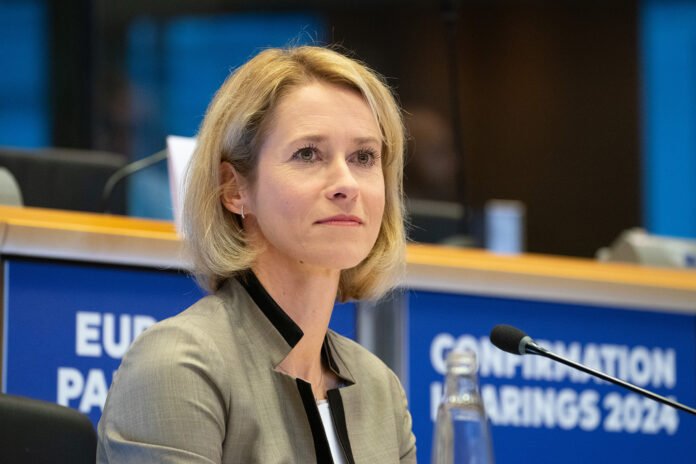
File photo: Kaja Kallas at her European Parliament confirmation hearing, November 12, 2024. © European Union 2024 – Source: EP / Wikimedia Commons, CC BY 4.0. Cropped or resized for display. Archive image, not the November 17, 2026 Council meeting.
Sources
- Council of the EU: Foreign Affairs Council (Defence), November 17 agenda
- Council of the EU: November foreign-affairs and defence background brief

The International Desk covers world and Asian affairs, diplomacy and conflict, with a focus on what they mean for India. Stories are checked against at least two credible sources before publication.