October 20: Indonesia’s stock-market selloff has intensified scrutiny of market transparency after the Jakarta Composite Index closed below 5,000 on October 19. The decline follows MSCI’s proposal to move Indonesia’s equity indexes from emerging-market to standalone status, a consultation that has not yet produced a final reclassification.
Key highlights
- Katadata’s Databoks reported an October 19 closing level of 4,996.61, down 3.64%.
- MSCI opened its consultation on October 15 and plans a decision by June 30, 2027.
- The index provider cited concerns about ownership transparency, suspected coordinated trading and enforcement.
- Intraday losses reported by other outlets are not the same as the final closing result.
What happened to the index
Databoks’ market report puts Monday’s close at 4,996.61. Reuters, in a report carried by Gulf Times, described the session’s decline as approximately 3.6%, following an approximately 11.6% fall on the preceding Friday.
Earlier coverage carried different numbers because the session was still in progress. SBS reported a 5.1% decline during the afternoon, while Investing.com’s report carried by Yahoo Finance also described an intraday fall. Those readings should not be presented as conflicting closing prices. They are snapshots from different points in a volatile session.
The review at a glance
| Item | Verified position |
|---|---|
| October 19 JCI close | 4,996.61; down 3.64%, according to Databoks |
| MSCI proposal | Emerging Market to Standalone Market |
| Consultation opened | October 15, 2026 |
| Feedback deadline | April 30, 2027 |
| Final decision deadline | June 30, 2027 |
| Current distinction | Proposal under consultation, not completed removal |
Compiled from MSCI’s announcement and the cited market reports. The October 19 close is historical data, not a live October 20 quote.
What MSCI is asking Indonesia to demonstrate
In its primary announcement, MSCI said announced reforms had not yet produced sufficient consistent evidence of improvement. It cited shareholder disclosures, classification of investors, reporting of concentrated ownership and a roadmap for a higher minimum free float among the measures under discussion.
MSCI said it would maintain its existing freeze on specified index changes while seeking feedback. It also said a move to the frontier-market category would not adequately reflect the problems identified by participants. These are the index provider’s assessments, not a court finding that every Indonesian issuer has engaged in wrongdoing.
Why classification matters beyond Jakarta
An index is a framework used to organise investment exposure. A classification proposal can therefore matter to funds whose rules require them to follow a particular benchmark. It does not, by itself, close the stock exchange or end a company’s normal operations.
Research from Mirae Asset Sekuritas described the proposal as a risk to foreign portfolio exposure. Such assessments are scenarios, not a confirmed count of money already withdrawn. Treating an estimate of potential outflows as a completed capital flight would overstate the available evidence.
For readers elsewhere in Asia, the important question is whether any pressure spreads through currencies, funding conditions or investment allocations. A simultaneous decline in another country’s market is not enough to prove contagion. The relevant evidence would be trading flows and financial links, rather than a comparison of dramatic headlines.
What to watch
The next substantive developments are official responses from Indonesia’s regulators and exchange, evidence that reforms are being implemented, and further communication from MSCI. A consultation allows new evidence to be considered, even when the provider’s initial assessment is strongly critical.
Readers should keep three things separate: today’s trading price, proposed benchmark treatment, and the underlying performance of individual companies. They may influence one another, but they are not interchangeable. This is a report on market developments, not a recommendation to buy, sell or time Indonesian shares.
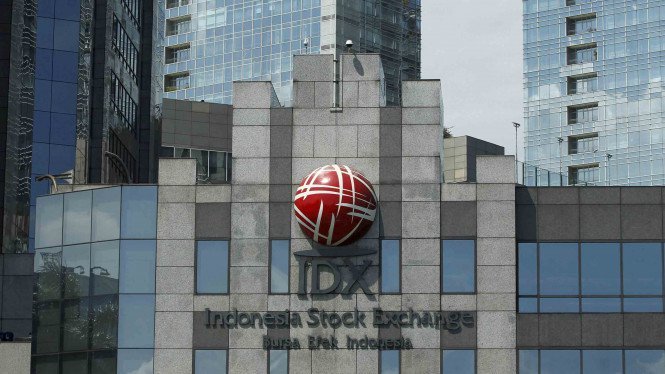
File photo: Indonesia Stock Exchange building in August 2018. Credit: Iqro Rinaldi / Wikimedia Commons, CC BY-SA 4.0.
Sources
- MSCI: Consultation on reclassifying Indonesia to Standalone Market status
- Katadata Databoks: IHSG falls below 5,000 at October 19 close
- Reuters via Gulf Times: Indonesian exchange seeks to calm market after record rout
- SBS: Indonesian stocks plunge as MSCI warns of potential downgrade
- Mirae Asset Sekuritas: Indonesia Daily Focus, October 19

The Business Desk covers markets, the economy, companies and personal finance. Stories are checked against at least two credible sources before publication.