November 12: Pakistan has secured Asian Development Bank approval for $500 million in contingent disaster financing, a facility intended to make budget support available after eligible disasters rather than waiting for a new emergency loan to be negotiated.
Key highlights
- ADB announced approval on November 11 under its policy-based lending framework.
- The facility supports the second subprogram of Pakistan’s Climate and Disaster Resilience Enhancement Program.
- Approval is different from immediate disbursement: access follows eligible disaster events.
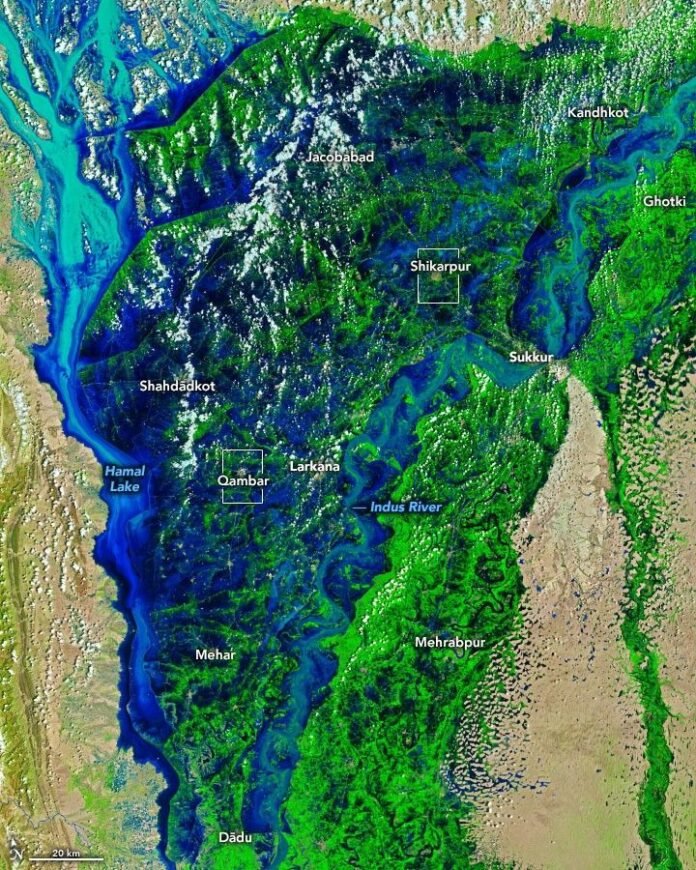
- The World Bank’s 2022 flood assessment illustrates the scale of the underlying financing challenge.
What the new approval provides
ADB says the financing combines faster post-disaster budget support with reforms in preparedness, risk management and development planning. Its stated purpose is to reduce the economic and fiscal disruption caused by disasters. The bank estimates Pakistan’s average annual disaster losses at about $2 billion.
The important distinction is between money made available under an agreed facility and money already spent on recovery. The announcement describes a contingent instrument. It should not be read as a statement that $500 million has already reached households, provincial agencies or reconstruction contractors.
At a glance
| Item | Confirmed detail |
| Financing approved | $500 million |
| Institution | Asian Development Bank |
| Instrument | Contingent disaster financing under policy-based lending |
| Purpose | Prompt budget support after eligible disasters and stronger preparedness |
The 2022 flood benchmark
A joint assessment published by the World Bank in October 2022 estimated direct damage from that year’s floods at more than $14.9 billion and economic losses at about $15.2 billion. Rehabilitation and resilient reconstruction needs were at least $16.3 billion. These are historical estimates for the 2022 emergency, not a new assessment of conditions in November 2026.
Housing, agriculture and livestock, and transport and communications were among the hardest-hit sectors. The assessment advocated rebuilding with attention to poorer households, transparency, inclusion and climate resilience. It also cautioned that the reconstruction estimate did not cover every wider investment needed for future adaptation.
Why the structure matters
Analysis: A pre-arranged financing instrument addresses a timing problem. Emergency expenditure can rise before ordinary revenue and borrowing arrangements adjust. Faster budget access can therefore be valuable even when the facility is much smaller than the total cost of a major disaster. It does not remove the need for sound reconstruction plans or checks on how public money is used.
What to watch
The next meaningful milestones are the completion of the financing arrangements, any eligible drawdown and public reporting on reform implementation. Readers should distinguish these steps from the approval announced this week; none establishes that future disaster losses have been eliminated.
Sources
- ADB: $500 million disaster resilience financing approval
- World Bank: Pakistan floods damage, loss and reconstruction assessment

The Business Desk covers markets, the economy, companies and personal finance. Stories are checked against at least two credible sources before publication.