November 12: Uzbekistan is to receive a $60 million concessional loan approved by the Asian Development Bank for livestock farming, with the project targeting the feed, water and veterinary bottlenecks that leave smallholders exposed to drought and extreme heat.
Key highlights
- ADB announced the approval on November 11.
- About 29,000 smallholder farmers across five regions are intended to benefit.
- The loan is accompanied by $5 million from the Green Climate Fund and $3 million from a Japan-financed fund.
- The announcement describes approved financing and intended results, rather than completed improvements.
Where the money is directed
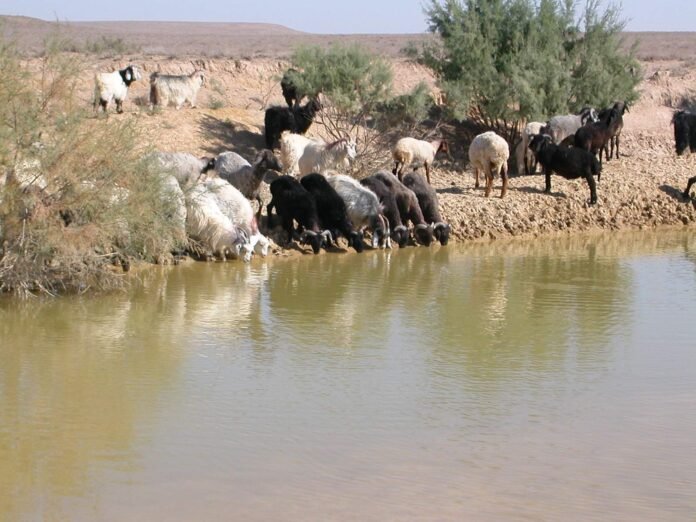
According to ADB, the Resilient Livestock Development Project covers Bukhara, Kashkadarya, Navoi, Karakalpakstan and Samarkand. Measures include pasture management, drought- and salt-tolerant fodder, watering-point rehabilitation and stronger veterinary support.
The bank also plans digital advisory tools and AI-supported pasture monitoring. Women farmers are to receive targeted training and support. These are project activities set out in the approval announcement; the number of farmers actually reached will need to be assessed during implementation.
Financing at a glance
| Component | Amount |
| ADB concessional loan | $60 million |
| Green Climate Fund grant | $5 million |
| Japan Fund for Prosperous and Resilient Asia and the Pacific grant | $3 million |
| Combined announced package | $68 million |
Our calculation: $60 million + $5 million + $3 million = $68 million. The sum combines a repayable loan and grants; it is not $68 million in grant aid.
The pressures facing young herders
Separately, FAO’s account of an October 13 youth dialogue in Rome reported findings presented by Uzbekistan’s World Food Forum youth representative. In the consultations described there, 71% of surveyed young pastoralists reported lower yields and 58% livestock losses. Access to water, veterinary services and markets was a major concern.
Those consultation figures are not a national census and should not be applied to every farm. Their value is in identifying the types of constraints young herders raised: grazing access, land, finance, climate information and participation in decisions affecting their livelihoods.
Why feed and water must be considered together
Analysis: A livestock investment cannot be judged only by how many animals a household owns. More animals can increase pressure on already limited pasture if feed and water do not improve alongside herd productivity. The practical test for this project will therefore be whether its different services work together at farm level, rather than simply whether equipment and applications are delivered.
What to watch
Important follow-up information includes the implementation timetable, farmer selection process, procurement notices and measurable results for water access and veterinary coverage. The approval itself does not establish that every eligible farmer can already apply or that all planned services are operating.
Sources
- ADB: Livestock productivity and resilience loan for Uzbekistan
- FAO: Uzbekistan youth dialogue on sustainable pastoralist futures

The Business Desk covers markets, the economy, companies and personal finance. Stories are checked against at least two credible sources before publication.