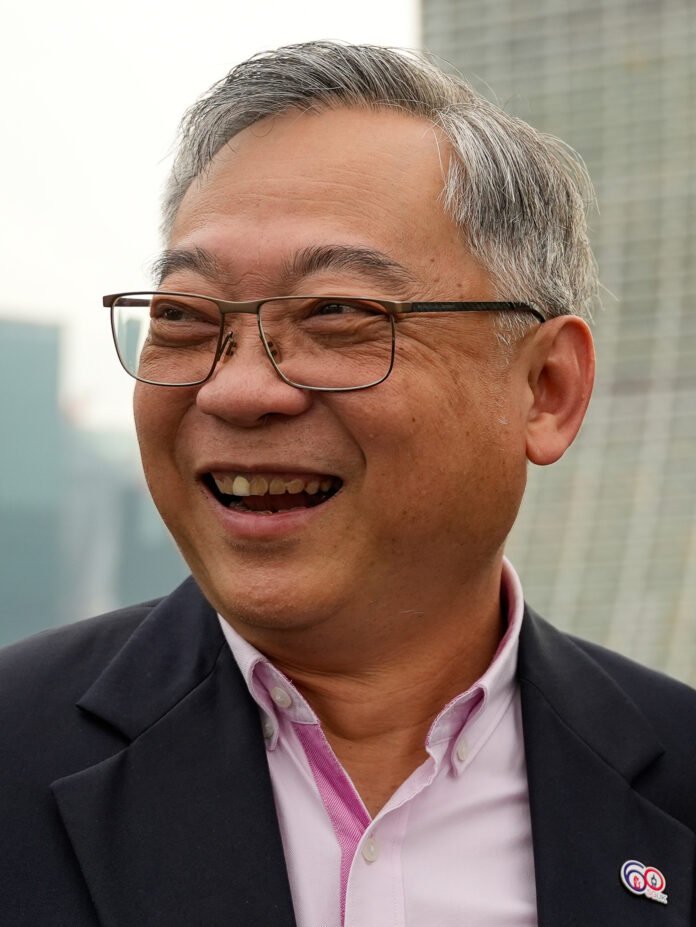
October 24: Singapore has appointed Keppel Energy, Sembcorp Utilities and Tuas Power Generation to import and supply biomethane under a regulatory sandbox, while announcing S$143 million for industrial decarbonisation research. Deputy Prime Minister Gan Kim Yong set out the measures at Friday’s Singapore Industry Decarbonisation Forum, according to the government’s published speech.
Key highlights
- Three approved aggregators will develop biomethane supply arrangements.
- The sandbox is intended to support up to 300 megawatts of capacity from 2028.
- A S$143 million funding initiative includes up to S$100 million for the DRIVE research programme.
- Research funding, trial capacity and actual emissions savings are different measures.
What the biomethane pilot will test
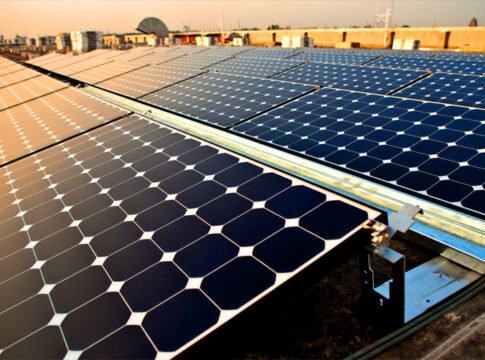
Gan’s official speech describes biomethane as a renewable gas produced from organic waste that can serve as a lower-carbon alternative to natural gas and use existing gas infrastructure. He said the sandbox would work through supply-chain, commercial and regulatory arrangements before wider adoption. The October 23 announcement names the aggregators; it does not say the full supply is already available.
The Business Times reported that the sandbox would run for 15 years, with first supplies expected by the end of 2028. It said the companies would source biomethane regionally and internationally for data centres and industrial manufacturers, either as gas or as electricity generated from it. These are prospective arrangements, not a claim that every Singapore electricity customer will switch fuels in 2028.
TNGlobal, reporting the Economic Development Board’s statement, described the pilot as a way to develop supply chains, sustainability standards and commercial models. Its account also explains the energy-security rationale: adding another fuel pathway can diversify sources. Diversification, however, should not be confused with a guarantee of lower consumer prices or uninterrupted supply under every circumstance.
The research funding is a separate part of the plan
Under the S$143 million Industry Decarbonisation Funding Initiative, the government will reserve up to S$100 million for Decarbonisation Research for Industry, Ventures, and Enterprise, known as DRIVE. Gan said companies would define the problems they want researchers to solve, with the programme sharing research-and-development investment. His speech said applications opened on October 23.
The initiative sits within the S$800 million Decarbonisation Grand Challenge established under RIE2030. The official examples include more efficient carbon capture from industrial exhaust and turning captured carbon into useful chemicals. This is support for developing and translating technologies, rather than a statement that every funded process has already proved commercial or delivered a measured emissions reduction.
At a glance
| Measure | Announced scale | Purpose |
|---|---|---|
| Biomethane sandbox | Up to 300 MW; first supplies expected by end-2028. | Test imports, operations and commercial rules. |
| Industry funding initiative | S$143 million. | Develop technologies addressing industrial emissions. |
| DRIVE | Up to S$100 million within the initiative. | Company-defined research challenges. |
| Translational testbed | S$62 million national platform. | Test technologies under industry-relevant conditions. |
The S$100 million DRIVE amount is part of the S$143 million initiative, so adding them together would overstate that announcement. Likewise, a megawatt is a capacity measure; it cannot be added to a dollar funding total or presented as an annual quantity of fuel. Keeping the units and programme boundaries clear is essential to understanding the scale of the plan.
From laboratory work to industrial deployment
Gan also described follow-on support for five earlier research projects under a S$65 million scale-up grant call. Examples included carbon-capture work at PowerSeraya and a carbon-mineralisation pilot involving A*STAR and Cora Environment. The speech presented these as tests in actual industrial conditions, where performance and the need for further improvements can be assessed.
A separate S$62 million testbed on Jurong Island is under construction, according to the speech. Its first named industry users are IHI Corporation, Amogy and Metha8, working on different fuel and conversion pathways. The platform is designed to reduce the need for each project to build its own pilot facilities. It is not evidence that all of those pathways are already ready for nationwide deployment.
What to watch
The useful milestones now are research awards, documented pilot performance, sustainability requirements for imported biomethane and signed supply arrangements ahead of 2028. Our assessment is that the announcement connects research with practical testing, but its climate value will ultimately depend on verified outcomes. Funding commitments and installed capacity should be followed by credible evidence of fuel delivery, operating reliability and emissions reductions.
Sources
- Singapore Ministry of Energy, Trade and Industry: Gan Kim Yong’s remarks at the Industry Decarbonisation Forum
- The Business Times: Keppel Energy, Sembcorp Utilities and Tuas Power to supply biomethane in pilot project
- TNGlobal: Singapore picks Keppel, Sembcorp and Tuas Power for biomethane import pilot

The Business Desk covers markets, the economy, companies and personal finance. Stories are checked against at least two credible sources before publication.