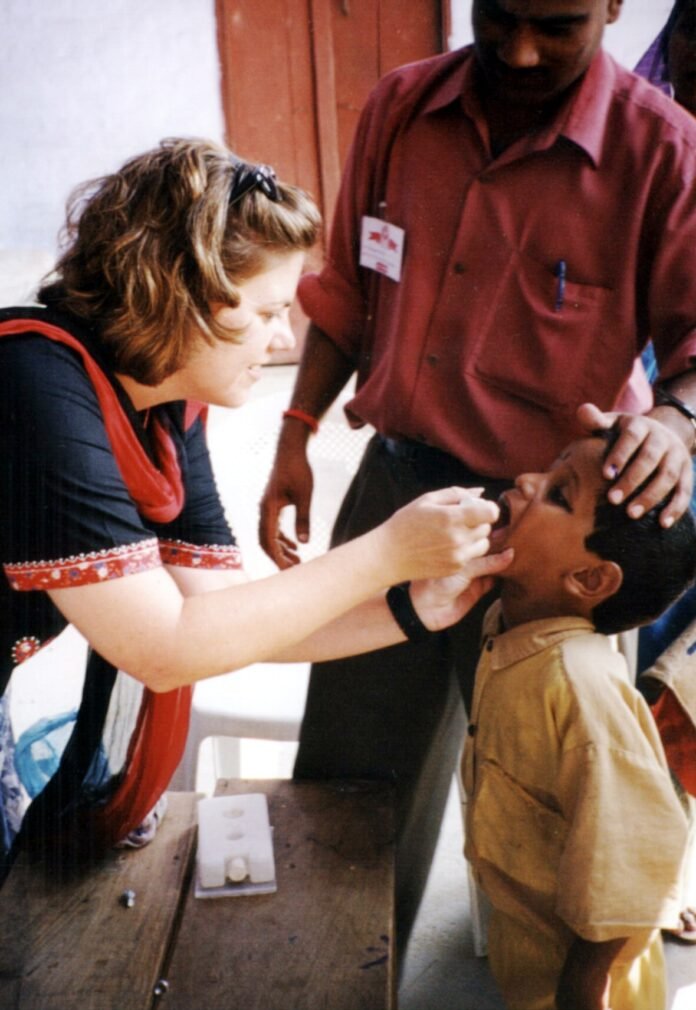
October 24: World Polio Day is bringing renewed attention to the final barriers to eradication, with Afghanistan and Pakistan still home to endemic wild-poliovirus transmission, according to the Global Polio Eradication Initiative. This year’s messages stress that progress depends on reaching missed children, maintaining surveillance and financing the health systems that keep transmission from returning.
Key highlights
- Wild poliovirus remains endemic in Pakistan and Afghanistan, according to GPEI.
- Pakistan marked the day by recognising more than 400,000 frontline workers.
- Ending local transmission and achieving global eradication are different milestones.
- Vaccination, detection and rapid response remain important even in polio-free regions.
Pakistan recognises the people behind the campaigns
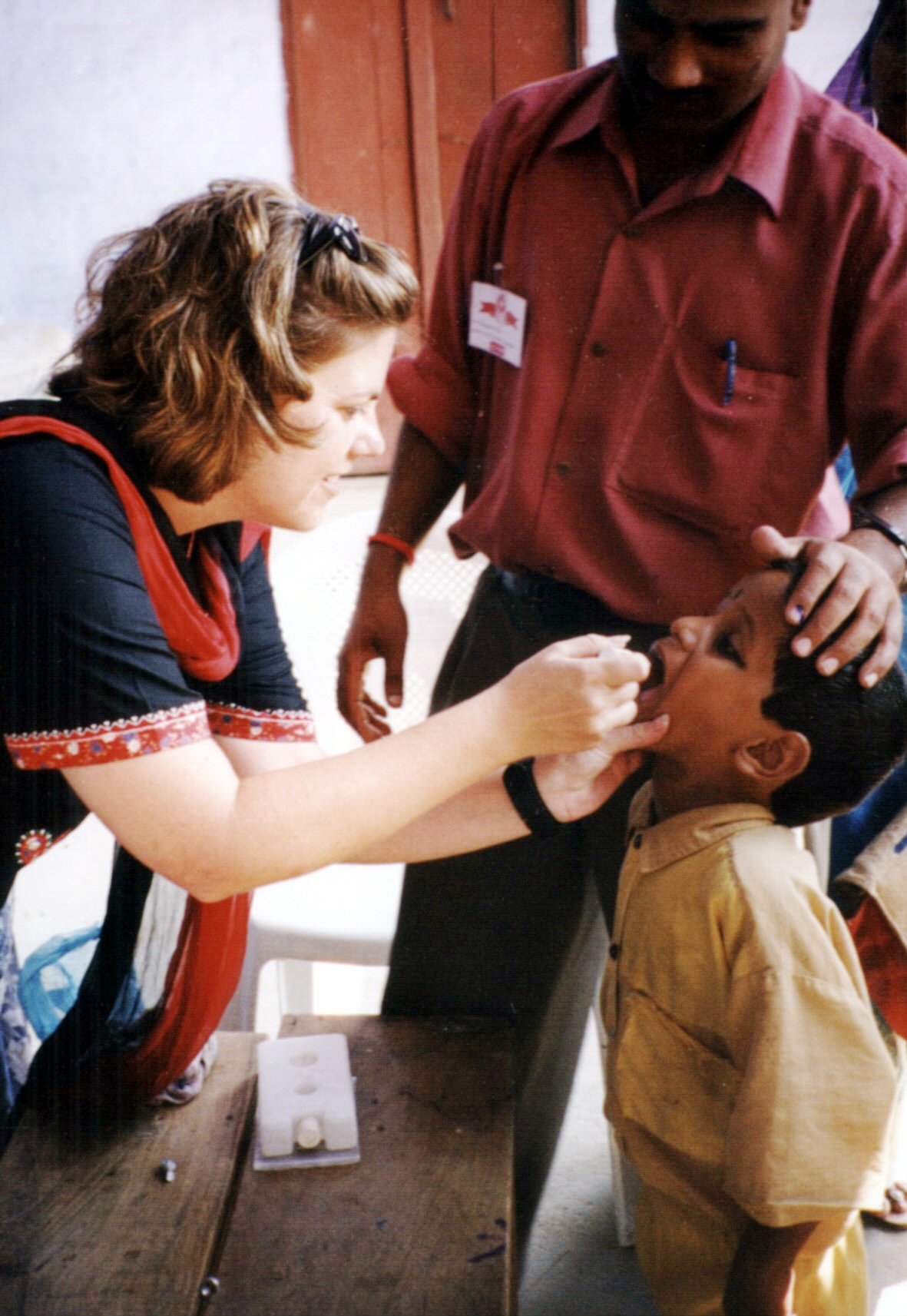
Pakistan’s Polio Eradication Initiative said its October 23 Islamabad event honoured more than 400,000 frontline workers under the theme “Shukriya Polio Frontline Workers”. The official release emphasised their role in reaching children and sustaining vaccination efforts. A campaign’s reach depends not only on vaccine availability but also on the people able to deliver it to households.
Associated Press of Pakistan’s October 24 report said the country had recorded seven cases so far in 2026: five in Khyber Pakhtunkhwa and two in Sindh. That is the agency’s reported position at this date, not a final annual total. Its account also described two nationwide and two sub-national vaccination campaigns during the year. Changes in later surveillance reports should be read with their reporting periods in mind.
Why the global goal is not finished
UNICEF USA’s October 22 explainer says polio has fallen dramatically since the launch of the global eradication initiative in 1988, but outbreaks persist. It identifies Afghanistan and Pakistan as the remaining endemic countries and distinguishes wild poliovirus from variant poliovirus outbreaks that can occur elsewhere. The phrase “only two endemic countries” therefore does not mean that every other country can stop monitoring for the virus.
UNICEF also describes practical work beyond administering doses: procurement, distribution, cold-chain equipment, community engagement and responding to misinformation. It says it helps vaccinate more than 400 million children against polio annually. The number concerns UNICEF’s worldwide work, not the size of a single campaign in Pakistan, and should not be confused with the count of frontline workers recognised there.
Three different milestones
| Term | What it tells us | What it does not mean |
|---|---|---|
| Endemic transmission | A virus continues to circulate persistently in a setting. | That every child in that country is infected. |
| Polio-free certification | A defined certification milestone has been achieved. | That surveillance and vaccination can end. |
| Global eradication | Transmission is ended worldwide under the applicable verification process. | A goal already achieved because case numbers are low. |
This distinction helps explain why a successful campaign and a favourable annual case count are not the final endpoint. A programme must also find and investigate possible transmission, including in places where access is difficult. Announcements of progress should identify the virus type, geographical area and period they cover, rather than combining different indicators into one unsupported success claim.
Lessons from regions that have made progress
PAHO’s 2026 World Polio Day campaign notes that the Americas recorded their last case caused by wild poliovirus in 1991 and were certified free of polio in 1994. Its current message nevertheless calls for high, even vaccination coverage, strong surveillance and readiness to respond. Historical success is presented as something to protect, not as a reason to dismantle prevention.
In Nepal, a World Polio Day message reported by RSS through Ratopati similarly stressed maintaining the country’s polio-free status. Professor Srijana Shrestha, chair of WHO’s regional certification commission for South-East Asia, highlighted vigilance, monitoring and protection of surveillance and laboratory capacity. The regional lesson is that national progress depends partly on continued attention to cross-border risks and health-system gaps.
Why financing matters beyond one day
WHO’s African regional director’s October 23 message called for sustained domestic investment and predictable partner funding. The message described both progress in ending outbreaks and the risk posed by vaccination gaps. It reinforces a global point relevant to Asia: a campaign is an operational system, with trained staff, transport, laboratories and rapid response, rather than a once-a-year publicity event.
Our assessment is that the clearest way to follow progress is to separate inputs from results. Money committed, workers mobilised, children reached and transmission interrupted are connected but different indicators. A responsible evaluation should show which one is being reported and whether children who were missed are subsequently reached.
What to watch
The next meaningful measures will be updated surveillance data, campaign coverage and evidence that access gaps are closing. Readers seeking vaccination information should use their national immunisation programme or a qualified health professional for the applicable schedule. World Polio Day’s message is continuity: protecting gains in Asia while completing a global effort that is still unfinished.
Sources
- Global Polio Eradication Initiative: Polio this week and World Polio Day 2026
- Pakistan Polio Eradication Initiative: World Polio Day celebrates frontline workers
- Associated Press of Pakistan: World Polio Day being observed today
- UNICEF USA: World Polio Day—Eradication Within Reach
- PAHO/WHO: World Polio Day 2026
- RSS via Ratopati: WHO official stresses continued efforts for polio eradication in Nepal
- WHO Africa: Regional director’s World Polio Day 2026 message

The International Desk covers world and Asian affairs, diplomacy and conflict, with a focus on what they mean for India. Stories are checked against at least two credible sources before publication.