November 20: South Korea has crossed US$1 trillion in annual exports for the first time, and its trade ministry is now setting out how it wants the gains to spread beyond the biggest exporters. A November 20 meeting with six business organisations followed the milestone reached a day earlier, according to the Ministry of Trade, Industry and Resources.
Key highlights
- The US$1 trillion threshold was crossed on November 19, before the calendar year had ended.
- South Korea became the fourth country to reach that annual export threshold.
- The ministry’s next priorities include smaller businesses, new export industries and cooperation with trading partners.
- October’s separate monthly data show how strongly technology shipments contributed to the advance.
A record, followed by a policy test
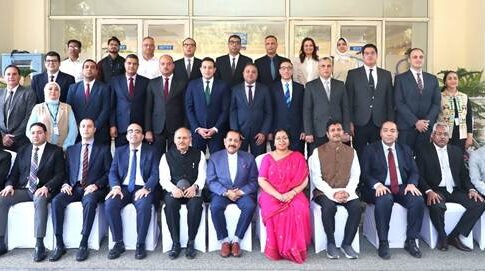
The ministry’s November 20 statement says Minister Kim Jung-kwan met representatives of six economic organisations in Seoul. It identifies three priorities: spreading export gains through the economy, developing growth engines beyond semiconductors, and pursuing trade that also supports partner countries.
That makes today’s development more than a celebration of a headline number. The policy question is how an exceptionally strong export year translates into opportunities for suppliers, regional businesses and workers. A national shipment total cannot, by itself, answer whether those benefits are widely distributed.
What the export milestone measures
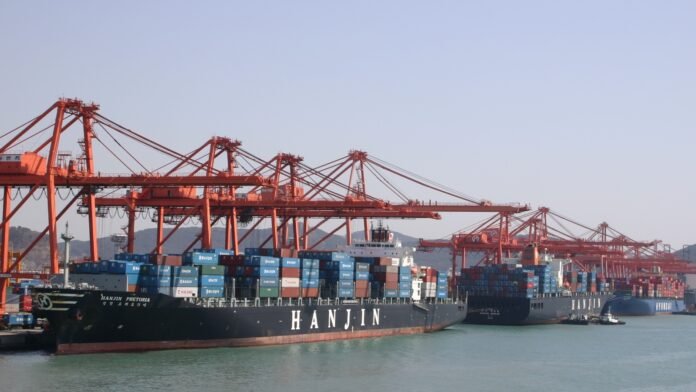
The ministry confirms that annual exports passed US$1 trillion on November 19, making South Korea the fourth country after Germany, the United States and China to achieve the threshold. This is a cumulative export measure, rather than a single month’s sales or a measure of national income.
Exports are also different from the trade balance. The latter subtracts imports from exports. Companies and households can therefore face very different conditions even during a record export year: a manufacturer’s overseas revenue does not directly measure its profit, wage bill or the purchasing power of consumers.
The technology engine behind the number
The ministry’s October trade release provides an earlier snapshot of the acceleration. Goods exports reached US$115.28 billion that month, while imports were US$72.78 billion, producing a US$42.50 billion surplus. January–October exports were US$930 billion. These figures refer to October and must not be read as a final November result.
Semiconductor exports in October were US$56.44 billion, up 259.4% year on year, according to that release. It also reported US$5.85 billion in computer exports and said server investment associated with AI services was supporting demand. The ministry separately noted that the timing of the Chuseok holiday affected working-day comparisons.
Why the next stage matters across Asia
Our analysis: a technology-led export surge connects chip producers with equipment makers, component suppliers, logistics companies and customers in other markets. The impact therefore depends on the composition of trade, not only its total value. Strong chip receipts can coexist with difficulties for businesses selling other products.
The November 20 ministry statement records industry calls for wider SME participation in emerging sectors, overseas-market support for consumer businesses and stronger supply chains. Those are proposed directions and requests, rather than evidence that a new grant programme has already opened. Readers considering business decisions should look for specific implementation notices, eligibility rules and budgets.
The distinction between value and volume also matters. Export receipts can change because firms ship more goods, receive different prices, or sell a different product mix. The headline trillion-dollar number does not establish how much each of those factors contributed across the entire year.
At a glance
| Measure | Official figure or status |
| Cumulative annual exports | Passed US$1 trillion on November 19 |
| October exports | US$115.28 billion |
| October imports | US$72.78 billion |
| October trade surplus | US$42.50 billion |
| November 20 policy focus | Broader benefits, new export engines and trade cooperation |
What to watch
The next full monthly trade release will show how November ended. Beyond the headline, watch for the balance between semiconductor and other exports, the experience of smaller firms, and concrete measures following the ministry’s November 20 consultation. A record already achieved should be kept separate from forecasts for the remainder of 2026.
Sources
- MOTIR: Ministry and six economic organisations discuss growth after US$1 trillion exports
- MOTIR: October exports top US$110 billion and trade surplus exceeds US$40 billion

The International Desk covers world and Asian affairs, diplomacy and conflict, with a focus on what they mean for India. Stories are checked against at least two credible sources before publication.