
The West Asia conflict entered its 25th day on March 25, 2026, with devastating consequences rippling across the globe as Iranian missiles struck Tel Aviv’s residential areas, killing one civilian and injuring six others. In response to the escalating energy crisis triggered by the blockade of the Strait of Hormuz, Philippines President Ferdinand Marcos Jr. declared a state of national energy emergency, marking the first such declaration by any nation since the war began on February 28, 2026, following the killing of Iran’s Supreme Leader Ayatollah Ali Khamenei in joint US-Israeli strikes.
Tel Aviv Residential Area Hit by Iranian Missile Strike
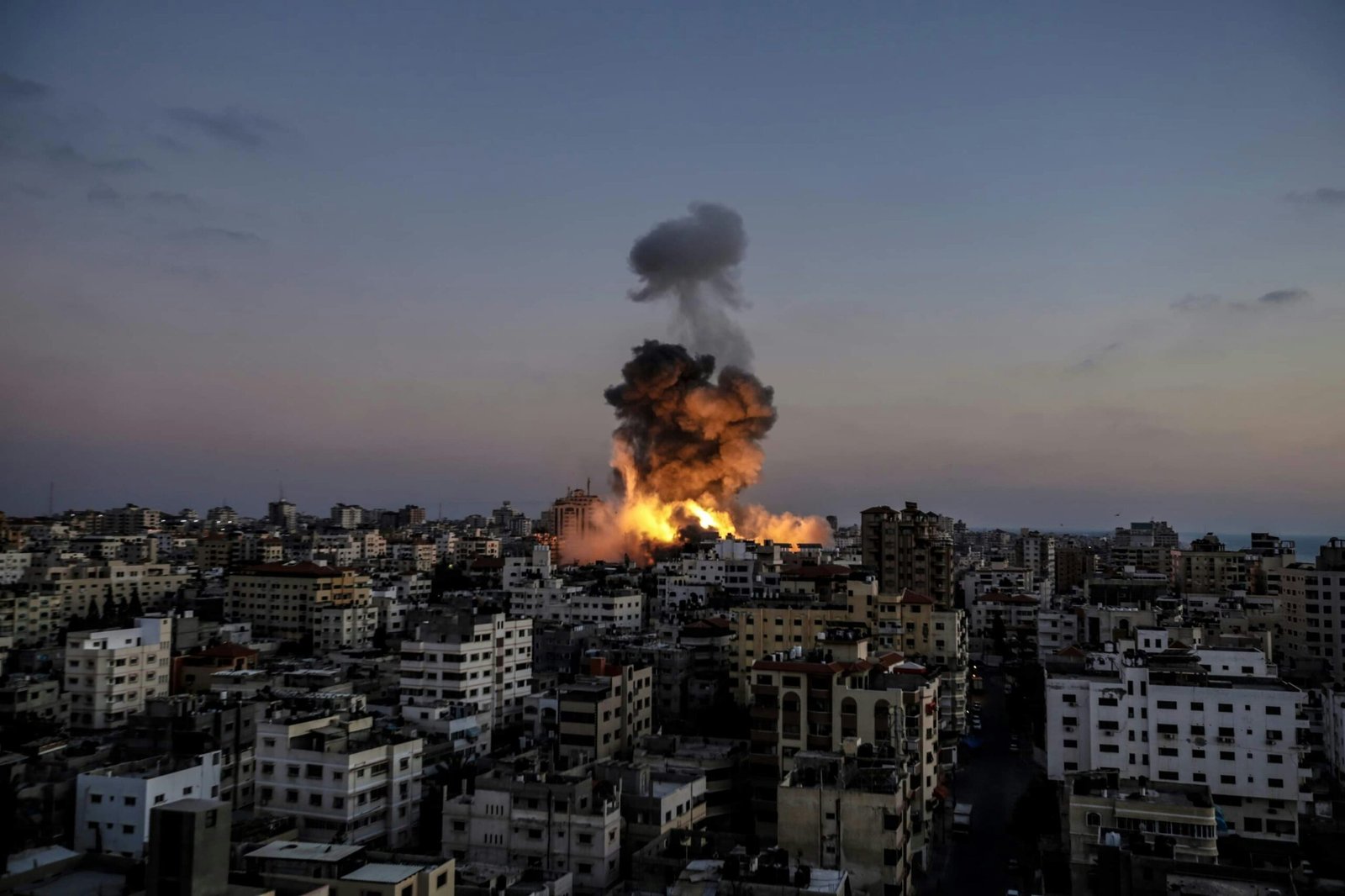
In the early hours of March 25, Iranian forces launched a coordinated missile and drone attack targeting multiple Israeli cities, with Tel Aviv bearing the brunt of the assault. Israeli police reported that a cluster munition missile equipped with three to four warheads, each carrying approximately 100 kilograms of explosives, struck a high-end residential building in Tel Aviv’s commercial district.
Israel’s Magen David Adom emergency medical service confirmed one fatality and six injuries, with extensive damage to residential apartments and vehicles. Tel Aviv Mayor Ron Huldai described it as a “direct strike” that Israeli defense systems failed to intercept. The attack marks one of the most significant breaches of Israel’s Iron Dome defense system since the conflict began.
Eyewitness accounts describe scenes of panic and destruction, with a massive crater at the impact site and several vehicles completely destroyed by the blast. Videos released by emergency services showed partially gutted buildings and fires engulfing cars in the affected area.Philippines Declares National Energy Emergency
In a historic move, Philippines President Ferdinand Marcos Jr. signed an executive order declaring a state of national energy emergency on March 25, making the Philippines the first nation to formally acknowledge the severe impact of the West Asia conflict on its energy security.
The executive order cited “uncertainty in global energy markets, severe supply chain disruption, and significant volatility and upward pressure on international oil prices” as the primary reasons for the declaration. The Philippines, which imports approximately 97% of its petroleum requirements, faces acute fuel shortages as the Strait of Hormuz—through which 20-30% of the world’s oil supply passes—remains under partial blockade by Iranian forces.
President Marcos announced emergency measures including the procurement of Russian oil, mandatory rationing of fuel supplies, and authorization for state-owned energy companies to enter into emergency supply contracts. Two major Filipino airlines have assured customers of adequate fuel stockpiles for the next two weeks, though industry experts warn of potential flight cancellations if the crisis persists.
The Philippines’ bold move has prompted other oil-importing nations in Southeast Asia, including Thailand, Vietnam, and Indonesia, to consider similar emergency declarations.Trump Claims Iran Agreed to Nuclear Deal Amid Denials from Tehran
US President Donald Trump made surprising claims on March 24, stating that Iran had agreed “never to have a nuclear weapon” and had sent a “significant prize” related to the strategic Strait of Hormuz. Trump made these statements following the swearing-in ceremony of Markwayne Mullin as the new Secretary for the Department of Homeland Security.
Trump asserted that his administration was in “great bargaining position” and claimed that Vice President JD Vance, Secretary of State Marco Rubio, Special Envoy on Middle East Steve Witkoff, and Jared Kushner were leading negotiations with Tehran. The President also endorsed Pakistan Prime Minister Shehbaz Sharif’s offer to facilitate talks between Iran and the US in Islamabad.
However, Iranian officials swiftly rejected Trump’s claims, with Tehran’s foreign ministry spokesperson calling them “fake news” and insisting that “the war will end only on Iran’s terms.” Iran’s parliament speaker Mohammad Bagher Ghalibaf stated that Iran had received “excessive proposals” from the United States but rejected all of them as unacceptable.
The conflicting statements highlight the diplomatic confusion surrounding the conflict, even as both nations continue military operations against each other.Pentagon Deploys 1,000 Troops from 82nd Airborne Division
The US military announced preparations to deploy approximately 1,000 troops from the elite 82nd Airborne Division to the Middle East in the coming days. The deployment includes a battalion of the 1st Brigade Combat Team, along with Major General Brandon Tegtmeier, the division’s commander, and division staff.
The 82nd Airborne Division, based at Fort Liberty, North Carolina, serves as the US Army’s emergency response force and can be deployed on short notice to crisis zones worldwide. This latest deployment brings the total number of US troops in the region to over 50,000, a significant increase from the pre-conflict levels of approximately 35,000.
Military analysts suggest that the deployment signals Washington’s preparation for potential escalation scenarios, including securing key strategic locations such as Saudi Arabian airfields and protecting critical infrastructure in the Gulf region. The move comes amid reports that Saudi Arabia has granted expanded access to US forces at King Fahad Air Base.Gulf Nations on High Alert: UAE and Bahrain Report Casualties
The conflict’s ripple effects extended beyond Iran and Israel, with Gulf Cooperation Council (GCC) nations reporting direct threats to their territories. The United Arab Emirates (UAE) intercepted multiple missile and drone threats targeting Abu Dhabi and Dubai, while Bahrain reported one fatality and five injuries from a missile fragment that struck a residential area near Manama.
Saudi Arabia, maintaining a delicate balancing act, has issued warnings that “its patience is not unlimited” following direct threats to its territory from stray Iranian missiles. Crown Prince Mohammed bin Salman reportedly held emergency consultations with US Defense Secretary Lloyd Austin regarding the protection of Saudi energy infrastructure.
The UAE and Saudi Arabia have both increased their military readiness levels and activated civil defense protocols in major cities. Kuwait, Qatar, and Oman have closed their airspace to civilian flights during peak conflict hours, causing major disruptions to international aviation.Global Economic Impact: Oil Prices and Market Volatility
The ongoing conflict has sent shockwaves through global financial markets, with Brent crude oil briefly touching $110 per barrel on March 24 before settling at $98 per barrel following Trump’s optimistic claims about negotiations. However, market analysts remain skeptical about any quick resolution to the crisis.
India’s benchmark stock indices showed resilience, with the Nifty50 rising above 23,250 and BSE Sensex gaining over 1,100 points on March 25, primarily driven by hopes of declining oil prices. Gold prices surged by ₹4,900 per 10 grams, while silver jumped ₹11,250 per kilogram as investors sought safe-haven assets.
The International Energy Agency (IEA) warned that prolonged disruption of Strait of Hormuz shipping could create “unprecedented” energy market volatility and potentially push crude oil prices beyond $150 per barrel. The agency called for coordinated release of strategic petroleum reserves by major consuming nations to stabilize markets.
Industry experts estimate that the global economy could lose between $2-3 trillion annually if the conflict extends beyond three months, with developing nations in Asia and Africa bearing the brunt of energy price inflation.Conclusion: Uncertain Path Forward
As the Iran-Israel war enters its fourth week, the international community faces mounting pressure to broker a ceasefire and restore stability to global energy markets. The Philippines’ declaration of a national energy emergency serves as a stark warning of the conflict’s far-reaching consequences, potentially prompting more nations to take similar emergency measures.
While diplomatic channels remain open—with Pakistan offering to mediate and Trump claiming progress in negotiations—Iran’s categorical rejection of US proposals suggests that a peaceful resolution remains elusive. The deployment of additional US troops and continued missile exchanges between Iran and Israel indicate that the military phase of the conflict is far from over.
The global community watches anxiously as each passing day increases the risk of broader regional escalation and deeper economic damage. With winter approaching in the Northern Hemisphere and energy demand set to rise, the stakes for resolving the Strait of Hormuz crisis have never been higher.