Patna/Kathmandu, September 27: Continuous heavy rain in Nepal’s hills is now showing up in Bihar’s rivers. On Friday, 43 of the 56 gates of the Kosi barrage had to be opened, and the Narayani (Gandak) is flowing above the danger mark. The Bihar government has issued a high alert in 17 districts along the Gandak, Kosi and Bagmati rivers.
Update (September 30): The Gandak reached a record 91.25 metres at Bagaha and the AP embankment breached in Kushinagar. Read: Gandak in record spate, embankment breaches in Kushinagar
Key highlights
- 43 gates of the Kosi barrage in Nepal opened; the flow reached 3,16,795 cusecs and a red warning light was switched on (Nepali reports, September 26).
- The Narayani’s flow crossed 3,48,000 cusecs and all 36 gates of the Gandak barrage were opened.
- Bihar’s Water Resources Department estimate: up to about 3,81,638 cusecs could reach the Gandak barrage and about 3,53,407 cusecs the Kosi barrage.
- Chief Secretary Pratyaya Amrit ordered a high alert in 17 districts, round-the-clock monitoring and NDRF and SDRF teams on standby.
- Disaster helpline for help: 1070.
What is happening in Nepal
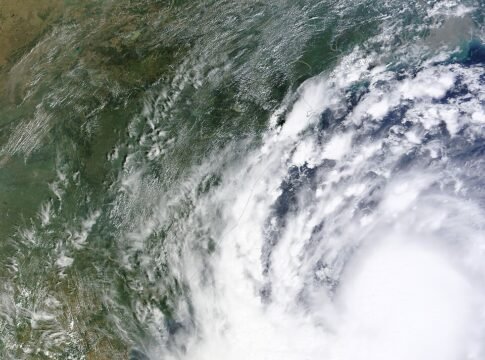
It has been raining continuously in Nepal since Wednesday night. According to the Nepali news portal Khabarhub, 43 of the 56 gates of the Kosi barrage were opened on Friday and the flow was recorded at 3,16,795 cusecs. The red light signalling danger was switched on at the barrage and people living along the river were asked to move to safety.
On September 26, the Narayani was above the warning level at 3,48,000 cusecs and all 36 gates of the Gandak barrage have been opened. Three people died in rain-related incidents in Nepal in the previous 24 hours, and the Armed Police Force evacuated 29 people and livestock from the Susta area. In Nepal, 54 road sections are blocked by floods and landslides.
The alert in Bihar: which districts are at risk
After a high-level review meeting, Chief Secretary Pratyaya Amrit issued a high alert in 17 districts along the Gandak, Bagmati and Kosi. He ordered round-the-clock monitoring of river levels, embankments and low-lying areas, watch on bridges and roads connecting villages, and public-address warnings in vulnerable areas.
In its forecast on September 25, the Water Resources Department said up to about 3,81,638 cusecs could reach the Gandak barrage (Valmikinagar) and about 3,53,407 cusecs the Kosi barrage (Birpur). At 5 pm that day, the flow was 1.29 lakh cusecs at Valmikinagar and 2.66 lakh cusecs at Birpur. Districts such as Patna, Bhojpur, Saran, Vaishali, Bhagalpur, Begusarai, Buxar, Samastipur, Munger, Katihar, Lakhisarai, Khagaria, Purnia, Madhepura and Araria are under the department’s watch. For relief, 222 boats, 27 SDRF teams and 8 NDRF teams have been deployed.
Flows: forecast versus September 25
| Barrage | Flow at 5 pm, September 25 | Forecast peak | Rise (our calculation) |
|---|---|---|---|
| Gandak (Valmikinagar) | 1,29,000 cusecs | 3,81,638 cusecs | about 2.96 times |
| Kosi (Birpur) | 2,66,000 cusecs | 3,53,407 cusecs | about 1.33 times |
In the Kosi region, Supaul, Saharsa, Khagaria and Naugachhia are under special watch. On September 25, Er. Sanjeev Shailesh, chief engineer for flood control at Birpur, said water was being released downstream through the gates in a controlled way and engineers were posted round the clock at vulnerable points on the embankment. Some local reports feared up to 6 lakh cusecs in the Kosi; the department’s official estimate is around the figures above.
Why rain in Nepal brings floods to Bihar
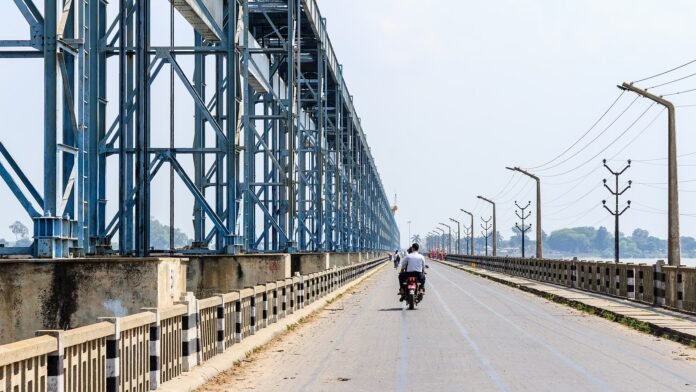
Rivers such as the Kosi, Gandak and Bagmati rise in Nepal’s mountains and flow into the plains of Bihar. The Kosi and Gandak barrages are near the India–Nepal border and are operated by India. When heavy rain falls in the Nepali catchment, the water reaches these barrages within hours and spreads from there into Bihar’s low-lying districts. That is why the Kosi is called the “sorrow of Bihar”. In 2024 too, several embankments breached at the end of September after heavy releases from the Kosi and Gandak barrages.
What people should do
- People living inside embankments and along rivers should move to safety immediately when the administration says so.
- Avoid fishing, bathing or crossing the river by boat.
- Keep important documents, medicines, drinking water and dry food ready.
- Call the disaster helpline 1070 for help, and rely only on official warnings.
Background
Nepal has already suffered severe floods this year: read Nepal flood toll reaches 1,367 and flood risk from a new barrier lake. In September the weather office also warned of heavy rain in several states including Bihar (IMD alert).
What to watch
- The next 24–48 hours: if rain eases in Nepal, flows at the barrages will start to fall.
- Downstream districts such as Khagaria, Bhagalpur and Katihar, where water takes time to arrive and vigilance will be needed for a few more days.
- The condition of embankments at vulnerable points along the Kosi and Gandak.
What it means
The forecast peak at the Gandak barrage is close to three times the flow two days earlier, which is why the alert covers so many districts. The Press of Asia will update this report as the situation changes.
This article was first published in Hindi and has been translated. The Press of Asia now publishes in English only.

The National Desk covers India's politics, governance, security and public-interest news. Stories are checked against at least two credible sources before publication.