Update: This alert covered September 17 and the days after it. For later weather in the region, see our September 24 report, Deep depression makes landfall near Kalingapatnam; heavy rain alert for Odisha and Andhra, and our September 27 report, Heavy rain in Nepal raises flood threat in Bihar.
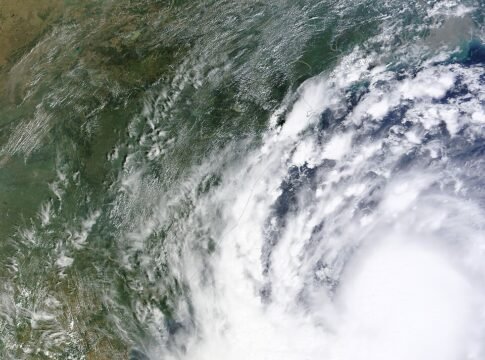
New Delhi, September 18: Heavy rain, thunder and strong winds returned to large parts of India on Thursday, September 17, as the monsoon became active again in its final phase. Citing the India Meteorological Department (IMD), several media reports said rain and thunderstorm warnings had been issued for more than a dozen states in north and east India, including Delhi-NCR, Uttar Pradesh, Bihar and West Bengal.
Key highlights
- A weather system over the Bay of Bengal revived the monsoon in north and east India.
- Alerts for thunder, heavy rain and strong winds were reported for Delhi-NCR, Uttar Pradesh, Bihar and other states.
- Reports put wind speeds at about 65 to 70 km/h.
- Some reports advised people to stay away from rivers and warned of flood-like conditions.
- Reports gave different numbers of affected states, from 10 to 20, depending on whether they described the next few hours or the next few days.
What the warnings said
Skies were cloudy over much of north India from Thursday morning, and thunderstorms began as the day went on. The weather office warned of heavy rain and strong winds over the next few hours in several states, including Delhi-NCR, Uttar Pradesh, Bihar and West Bengal. IMD’s weekly outlook also expected more rain and thunderstorms in Madhya Pradesh, Kerala and Tamil Nadu in the coming days, showing the change was not limited to north India.
| Region | What reports said | Source |
|---|---|---|
| Delhi-NCR, Uttar Pradesh, Bihar, West Bengal | Heavy rain, thunder and strong winds over the next few hours | Navbharat |
| Parts of north and east India | Winds of about 65–70 km/h; advice to stay away from rivers | Media reports citing IMD |
| Madhya Pradesh, Kerala, Tamil Nadu | More rain and thunderstorms in the coming days | Public record |
Our calculation: winds of 65–70 km/h equal about 18–19 metres per second. That is “gale” strength (force 8) on the Beaufort scale, which runs from 62 to 74 km/h, strong enough to break branches and make walking against the wind difficult.
Why the monsoon revived
Weather experts said the change was caused by a weather system over the Bay of Bengal, combined with the usual activity before the monsoon withdraws, which is common in late September. Such systems pull moisture towards north and central India, so a fading monsoon can suddenly turn active again. Strong winds raise the risk of falling trees, power cuts and traffic disruption.
Some reports advised people living near rivers to stay alert. The Press of Asia could not confirm a flood warning for any particular district or river, because that information could not be verified directly from an official IMD bulletin.
Background
The monsoon usually weakens and begins to withdraw by the end of September. During this period, low-pressure systems over the Bay of Bengal or the Arabian Sea often bring short but intense spells of rain. North India’s plains had already seen intermittent rain in recent weeks. IMD issues state-wise and district-wise warnings from time to time, which different outlets present in different ways. For the month’s outlook, see our report on IMD’s September 2026 rainfall forecast.
What it means
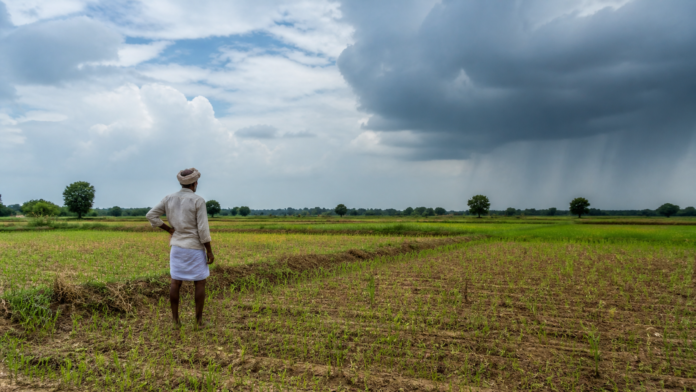
Sudden storms and heavy rain often cause waterlogging, traffic jams and flight delays in cities. In rural areas they can damage standing crops, especially as the kharif harvest approaches. Lightning and strong winds also put lives and property at risk, which is why IMD warnings should be taken seriously. In Bihar and West Bengal, where many areas are already sensitive after monsoon rain, heavy showers can waterlog fields and flood low-lying areas.
What to watch
- Updated IMD bulletins over the next few days, as the weather system moves and the area of rain changes.
- District-level warnings from state disaster management authorities, especially in flood-prone areas.
- Signs of the monsoon’s withdrawal from north-west India.
This article was first published in Hindi and has been translated. The Press of Asia now publishes in English only.

The National Desk covers India's politics, governance, security and public-interest news. Stories are checked against at least two credible sources before publication.