November 17: India and Egypt have agreed to establish a joint working group to explore the terms of a preferential or free-trade agreement, India’s Commerce Ministry said on November 16. Separate talks in Egypt also brought support for a proposed Indian industrial zone within the Suez Canal Economic Zone.
Key highlights
- The seventh Joint Trade Committee met at ministerial level.
- A working group will examine the terms for a possible trade agreement.
- The proposed industrial zone is an investment opportunity under discussion, not a completed project.
What the trade committee agreed
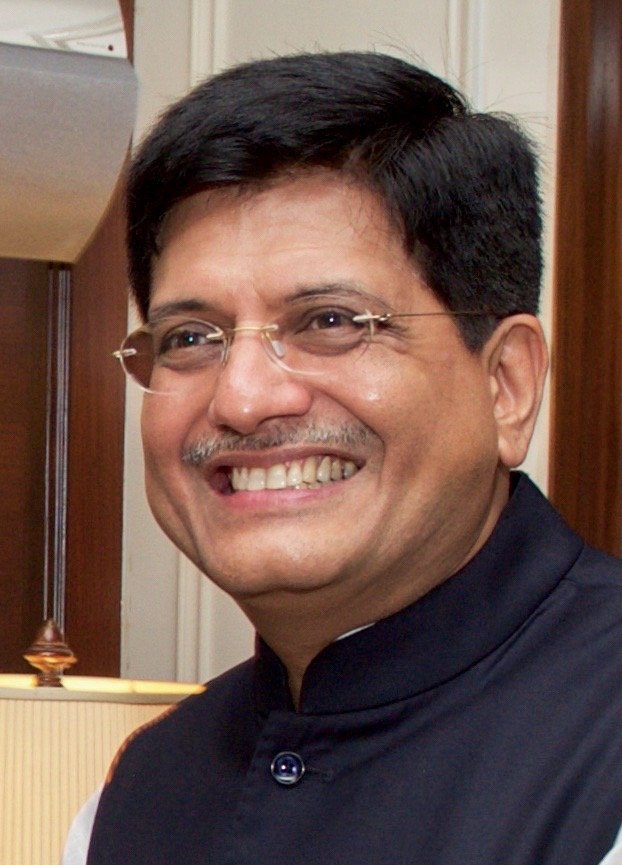
Piyush Goyal and Egyptian Investment and Foreign Trade Minister Mohamed Farid Saleh co-chaired the meeting in Egypt’s New Administrative Capital. The Indian account sets a $12 billion bilateral trade target and identifies market access, customs, standards and product-registration issues among the discussions.
It reports trade of $6.5 billion in financial year 2025–26 and $5.04 billion during April–September 2026. These periods are different: the half-year figure should not be described as a complete year, and a trade target should not be confused with an achieved total.
What Egypt said about the industrial zone
Egypt’s State Information Service reports that Prime Minister Mostafa Madbouly welcomed the proposed Indian zone when he met Goyal on November 16. His account highlights Egypt’s location, logistics and access to African and Middle Eastern markets as reasons to encourage investment.
The Egyptian account identifies cooperation opportunities in pharmaceuticals, food security, information technology, renewable energy, textiles and automotive manufacturing. It also describes discussions about investment-fund partnerships and private-sector engagement. Those are areas of interest, not evidence that all proposed projects are financed or approved.
Why the next legal and commercial steps matter
Agreeing to explore the terms of a trade pact is an early institutional step. Businesses still need to know the scope of any negotiation, the treatment of individual products and services, and the procedures through which commitments would take effect. No new tariff concession can be assumed from this announcement alone.
For an industrial zone, the decisive questions are similarly practical: the site, the authority administering it, investor eligibility, infrastructure access and the applicable regulatory arrangements. A welcoming statement can help a proposal advance, but it is not a substitute for published investment terms or a completed factory.
At a glance
| Initiative | Status described officially |
| Possible trade pact | Working group to explore terms of reference |
| Bilateral trade goal | $12 billion target |
| Suez industrial zone | Proposal welcomed by Egypt’s prime minister |
| Business implementation | Further project and regulatory details required |
What to watch
Watch for the working group’s terms, a formal negotiating launch and specific industrial-zone decisions. The immediate news is the agreed process and political backing; commercial outcomes remain to be established.
Sources
- India Commerce Ministry: Seventh India–Egypt Joint Trade Committee
- Egypt State Information Service: Prime minister welcomes proposed Indian industrial zone

The Business Desk covers markets, the economy, companies and personal finance. Stories are checked against at least two credible sources before publication.