November 17: Japan and the International Energy Agency have outlined plans for an oil security hub for Asia, as regional leaders meeting in Manila expanded their energy cooperation agenda. The November 17 joint statement expresses an intention to develop the hub; it does not establish that a fully operational reserve-sharing system already exists.
Key highlights
- The proposed hub would support stockholding, market analysis and emergency cooperation.
- AZEC leaders added economic and energy resilience to their action plan.
- India and South Korea attended as invited guests, according to Japan’s foreign ministry.
What the proposed hub would do
The Japan–IEA statement identifies three priorities: helping countries develop oil stockholding systems and infrastructure; improving market analysis and information exchange; and examining arrangements for emergency cooperation. It links the proposal to the region’s exposure to disruptions affecting Gulf energy supplies.
The hub is intended to contribute technical and strategic advice to the Asia Oil Security Task Force established at the meeting. The statement describes a framework to be developed, rather than announcing a specific emergency release of oil.
A broader AZEC agenda
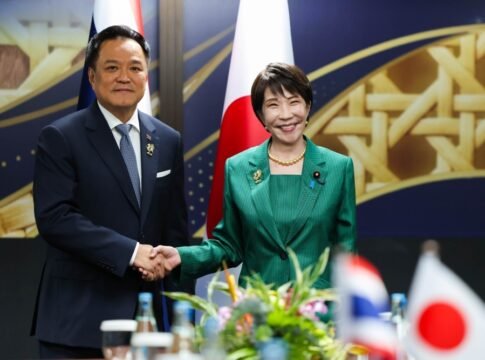
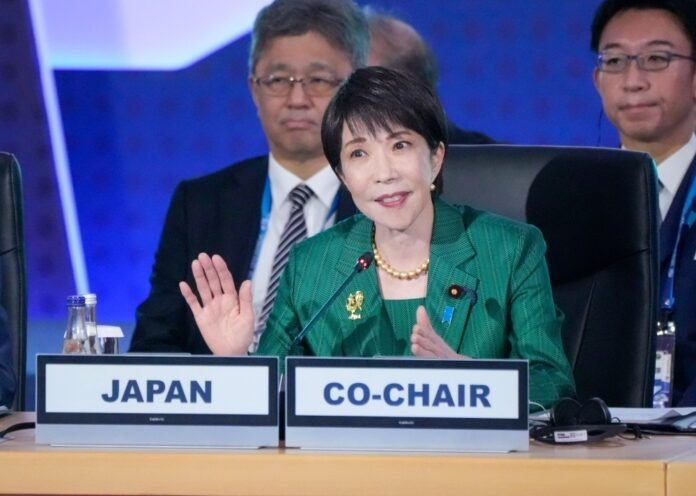
Japan’s Ministry of Foreign Affairs said Prime Minister Sanae Takaichi and Philippine President Ferdinand Marcos Jr. co-chaired the fourth Asia Zero-Emission Community leaders’ meeting. Leaders endorsed a renewed action plan with an additional focus on economic and energy resilience.
The ministry described India and South Korea as invited guest countries. That distinction matters: attendance should not be read as confirmation that they have become full AZEC partners.
Why implementation matters
Analysis: stockpiling is useful only if storage capacity, access rules and emergency decisions work together. A regional hub can help countries compare those arrangements, but it cannot by itself guarantee affordable fuel or uninterrupted deliveries.
For Asian businesses, the practical questions are how countries would share information during a disruption and whether the cooperation produces usable contingency plans. The policy announcement and those operational outcomes are separate stages.
At a glance
| Area | Proposed role |
|---|---|
| Stockholding | Support systems and infrastructure |
| Information | Analyse markets and exchange data |
| Emergency planning | Examine coordinated-response frameworks |
What to watch
Watch for the hub’s operating arrangements, participating institutions and implementation timetable. Neither a proposal nor a summit statement should be mistaken for a guarantee of future oil supplies.
Sources
- Government of Japan and IEA: Joint statement on the proposed oil security hub
- Japan Ministry of Foreign Affairs: Fourth AZEC leaders’ meeting

The Business Desk covers markets, the economy, companies and personal finance. Stories are checked against at least two credible sources before publication.