October 24: President Droupadi Murmu visited Jagdalpur on October 23 for Bastar Dussehra, bringing national attention to a festival whose community institutions are as important as its public celebrations. Dainik Jagran’s report described her attendance at the Muriya Darbar, interaction with tribal representatives and address at Lalbagh Ground. The visit had been announced by Rashtrapati Bhavan as part of her two-day Chhattisgarh programme.
Key highlights
- The President’s programme included the Muriya Darbar and a public event in Jagdalpur.
- Bastar Dussehra is centred on Maa Danteshwari and local deity traditions.
- The festival should not be described simply as a local version of Ravana-effigy burning.
- A ceremonial visit and measurable follow-up on community concerns are different things.
The visit and its confirmed programme
The President’s Secretariat’s October 21 announcement scheduled the Chhattisgarh visit for October 22–23. It listed Raipur engagements on the first day, followed by the Muriya Darbar and a public programme associated with Bastar Dussehra in Jagdalpur on the second. The announcement is useful for establishing the official purpose of the tour, while later reporting establishes attendance.
Dainik Jagran reported that Murmu visited the Maa Danteshwari Temple, met Manjhis, Chalakis and other representatives at Sirhasar Bhavan, and viewed an exhibition about the festival and regional heritage. It said she encouraged young people and emphasised protecting forests and trees. These are reported aspects of the visit; this newsroom did not attend the events or conduct interviews there.
What is the Muriya Darbar?
The Times of India’s advance report explained the Darbar as a forum where traditional representatives place community concerns before the ruling or administrative establishment. It traced the institution to Bastar’s former royal system and described its continuation as a meeting point between customary leadership and modern administration.
That makes the gathering more than a backdrop for a visiting dignitary. It provides a way to understand why a cultural festival can also become a setting for public engagement. But the presence of a forum does not, by itself, demonstrate how every concern is recorded, prioritised or resolved. Those are separate questions for follow-up reporting.
A festival with a distinct centre
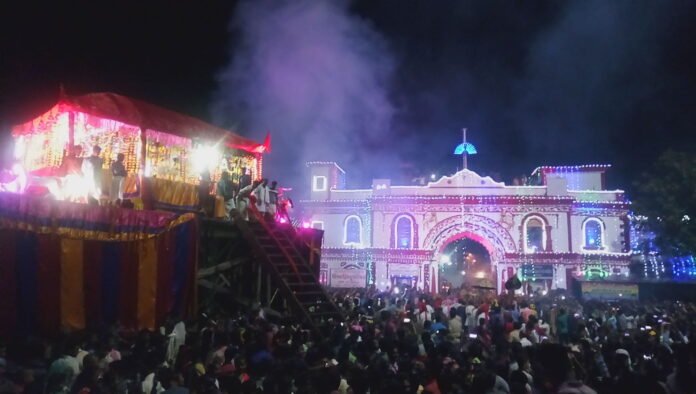
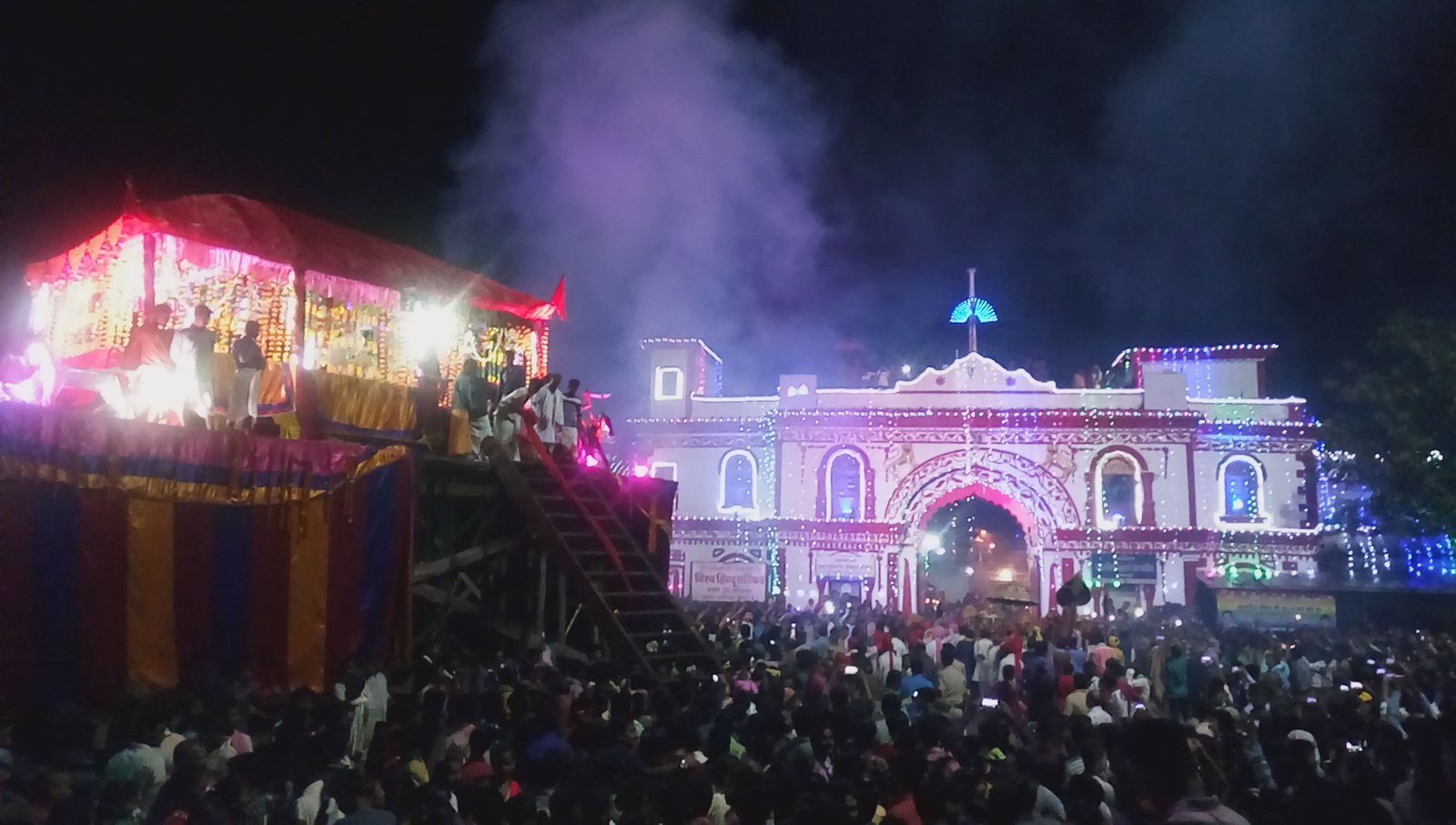
The Government of India’s Incredible India portal describes Bastar Dussehra as an approximately 75-day festival focused on Maa Danteshwari, local deities and tribal traditions. It explicitly distinguishes the celebration from the burning of a Ravana effigy. Its account connects the festival with a history of roughly six centuries and the region’s royal and community institutions.
The portal’s 2026 calendar lists Pat Jatra in August and the main Dussehra phase in October. The President’s October 23 engagement should therefore not be used to imply that the entire festival began or ended on the day of her visit. A long festival can have several important observances, and an official visit is only one dated event within its wider story.
| Element | What it tells a reader | What it does not establish |
|---|---|---|
| Presidential visit | National attention to a regional cultural and public forum. | A new policy or funded scheme unless separately announced. |
| Muriya Darbar | A tradition of interaction with community representatives. | That all concerns raised have already been resolved. |
| Long festival calendar | Several rituals and community activities extend across weeks. | That each visitor attends every phase. |
| Heritage photograph | The appearance of an earlier celebration. | Attendance or conditions at the 2026 event. |
Why the distinction matters
Our assessment is that coverage serves readers better when it separates the immediate event from cultural background and future expectations. Saying who visited and when is a news fact. Explaining a tradition requires sources familiar with that tradition. Claiming that the visit has transformed local livelihoods would require evidence beyond speeches and ceremonial photographs.
The same care applies to labels. Bastar’s communities should not be presented as a single undifferentiated group, and a description of one institution should not be used to claim that it represents every person’s experience. This article explains the publicly documented event without speaking on behalf of residents or inventing reactions.
What to watch next
A useful follow-up would identify any documented requests raised at the Darbar, the authorities responsible for responding and any published decisions or deadlines. If a later announcement includes financial support, its eligibility, amount and implementation arrangements should be checked rather than inferred from the President’s presence.
For now, the visit places a distinctive Chhattisgarh tradition before a wider audience. Its lasting significance will be clearer through local voices and verifiable follow-up, not through treating a cultural programme as proof of outcomes that have yet to be demonstrated.
Sources
- President of India: Official Chhattisgarh visit announcement
- Dainik Jagran English: President Murmu visits Bastar for Muriya Darbar
- The Times of India: Murmu to visit Raipur and Jagdalpur on October 22–23
- Incredible India: Bastar Dussehra traditions and calendar

The National Desk covers India's politics, governance, security and public-interest news. Stories are checked against at least two credible sources before publication.