SYDNEY, November 3: The Reserve Bank of Australia raised its cash rate target by 25 basis points to 4.85% on Tuesday, saying inflation is broad-based and now expected to stay above its target band for longer, partly because of higher fuel and commodity prices linked to the conflict in the Middle East. The decision was not unanimous: six members of the Monetary Policy Board voted for the increase and three voted to hold at 4.60%.
Key highlights
- Cash rate target raised from 4.60% to 4.85%.
- The vote was 6–3; the minority preferred to leave the rate unchanged.
- The RBA expects inflation to stay above 3% over the coming year and not to return to the top of its 2–3% target range until late 2027 — about three quarters later than it forecast in August.
- It cited Middle East-related fuel and commodity costs, slightly tighter domestic capacity, and AI-related investment pushing up prices of technology goods.
- Unemployment has risen and is projected to rise further, while growth is slowing and housing prices have fallen significantly.
Why the Board moved
In its statement, the Board said inflation remained elevated and broadly based, and that its outlook had been revised materially higher. It said capacity pressures in the economy were judged to be a little tighter than previously thought, that many firms reported raising or planning to raise prices in response to cost pressures, and that some measures of inflation expectations had risen — a risk it said it was watching closely.
The Board said it “will continue to do what it considers necessary to bring inflation sustainably back to target.”
The decision at a glance
| Item | Detail |
|---|---|
| Previous cash rate target | 4.60% |
| New cash rate target | 4.85% (+25 basis points) |
| Vote | 6 for an increase, 3 for no change |
| Inflation target | 2–3% |
| Inflation outlook | Above 3% over the coming year; back at the top of the target range only in late 2027 |
| Labour market | Unemployment has risen and is expected to rise more than forecast in August |
| Growth | Slowing; household consumption and housing investment expected to weaken; business investment, including data centres, stronger |
A slowing economy, but sticky prices
The RBA acknowledged that the economy is cooling: housing prices have fallen significantly and growth is expected to slow further over the coming year. But it judged that the inflation risk outweighed the growth risk for now. It also noted that the conflict in the Middle East remains unresolved, leaving open scenarios with higher inflation and weaker activity at the same time, while growth among Australia’s major trading partners has so far been stronger than expected.
Our calculation
- Size of the split: a 6–3 vote means one-third of the Board preferred to wait, a sign that further increases are not automatic.
- Distance to target: with inflation expected above 3% for the coming year, it would stay at least 0.5 percentage point above the 2.5% midpoint of the target band.
- A longer wait: “about three quarters later” than the August forecast means roughly nine extra months before inflation returns to the band.
Why it matters for Asia
Australia is a major trading partner and education destination for much of Asia, and its interest rates influence the Australian dollar and borrowing costs for businesses with ties to the region. The RBA’s reasoning — oil-driven inflation from the Middle East conflict and price pressure from the AI investment boom — echoes concerns at central banks across the region, several of which are weighing whether higher energy costs will feed into broader inflation.
What to watch
- The RBA’s November Statement on Monetary Policy, which sets out its full forecasts.
- Australia’s next monthly and quarterly inflation readings, and whether unemployment keeps rising.
- Oil prices and the course of the Middle East conflict, which the Board named as a key risk.
- Decisions by other Asia-Pacific central banks this month.
Our preview: RBA decision due November 3: release times across Asia.
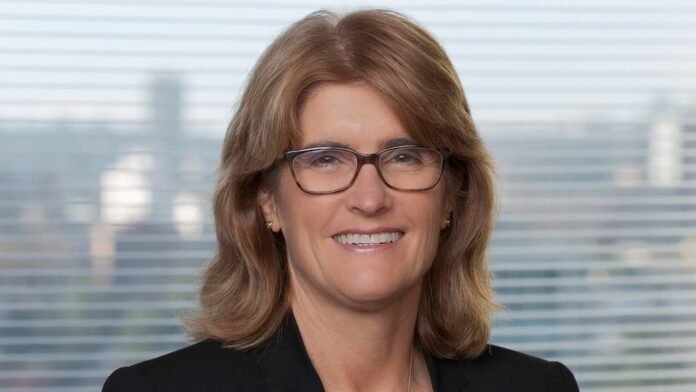
Reserve Bank of Australia Governor Michele Bullock (official portrait). Image: Reserve Bank of Australia, CC BY 4.0, via Wikimedia Commons. Photo source · Licence
Sources
- Reserve Bank of Australia: Statement by the Monetary Policy Board — Monetary Policy Decision, November 3, 2026
- Reserve Bank of Australia: Statement on Monetary Policy, November 2026
- Reserve Bank of Australia: Cash rate target

The Business Desk covers markets, the economy, companies and personal finance. Stories are checked against at least two credible sources before publication.