Jakarta, September 27: The death toll from the sinking of the Indonesian ferry Virgo Transport 8 in the Java Sea has risen to 64, with 71 people still missing, two weeks after the vessel capsized on an overnight crossing from Surabaya to Banjarmasin. Indonesia’s National Search and Rescue Agency (Basarnas) has extended the search by seven more days, with a review every three days, as divers struggle to reach compartments inside the tilted wreck.
Key highlights
- 243 on board: 213 passengers and 30 crew, plus 89 vehicles, according to AFP and records of the voyage.
- Latest toll: 64 dead, 108 survivors and 71 missing, Basarnas said on September 26.
- Search extended: Seven more days, reviewed every three days.
- Wreck access: Divers cannot enter all compartments because the ship is still tilted; officials want salvage accelerated.
- Bodies far from the site: Some victims have been found on the Seruyan coast of Central Kalimantan, about 135 nautical miles away.
What happened
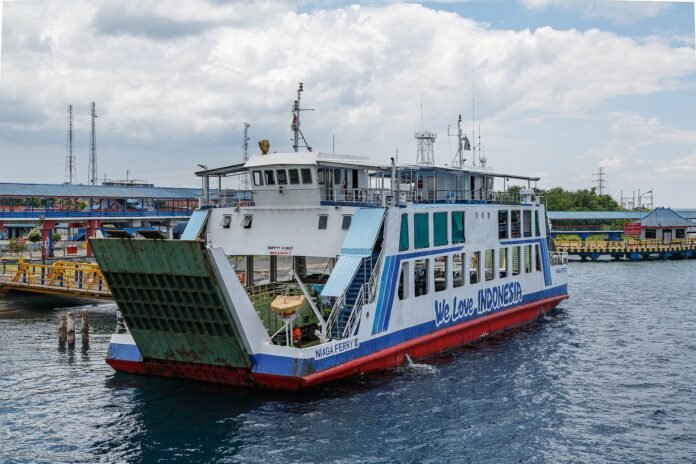
The Virgo Transport 8, a 119-metre roll-on/roll-off ferry built in Japan in 1987 and operated by PT Virgo Karya Shipping, was on an overnight crossing from Surabaya in East Java to Banjarmasin in South Kalimantan and was due to arrive at 7 am on September 13. At about 2 am local time, the captain reported that the vessel was listing in rough weather, and contact was lost soon after. The ship was later found capsized in the Java Sea.
Early rescue efforts were hampered by waves of up to 2.5 metres. Three commercial vessels that reached the area pulled survivors from the water, while Basarnas sent a rescue ship and a helicopter from the Juanda naval air base.
How the toll has climbed
In the first days after the sinking, most people on board were either rescued or listed as missing. As divers began working on the wreck and bodies washed ashore along the Kalimantan coast, the toll rose steadily. Malaysia’s national news agency Bernama reported 52 confirmed deaths on the 13th day of the operation, after 11 bodies were recovered in a single day: five from inside the wreck and six from the coastline.
Later on September 26, AFP quoted Basarnas official Yudhi Bramantyo as saying: “Out of 243 persons onboard, 172 have been evacuated, 108 survived, 64 died, and 71 are still being searched for.” The evacuated figure includes both survivors and bodies recovered.
Why the search is so difficult
Basarnas mission coordinator I Putu Sudayana told Bernama that “divers cannot enter all compartments because the vessel is still tilted”. About 65 divers from Basarnas, the Indonesian Navy and other units are involved, working in waves of 1.75 to 2.5 metres. Officials have called for faster salvage of the wreck so that remaining areas can be searched safely.
The spread of the search area adds to the challenge. Some bodies were recovered on the Seruyan coast in Central Kalimantan, around 135 nautical miles from where the ferry went down, which means currents have carried victims far from the wreck site.
A recurring problem in Indonesian waters
Indonesia, an archipelago of more than 17,000 islands, relies heavily on ferries to move people and goods between islands, and serious accidents are frequent. AFP noted that lax safety standards and unpredictable weather are often the main causes. No official cause has yet been announced for the Virgo Transport 8 sinking, and questions about the vessel’s age, loading and the decision to sail in rough weather are likely to feature in any investigation.
The disaster also comes during a difficult season for the region. Indonesia has been battling large forest fires (read more) and earlier this month closed airports because of ash from Anak Krakatau (read more), while Bangkok declared a flood disaster after heavy rain (read more).
Lessons for the wider region
Ferry safety is not only an Indonesian concern. Island and river communities across Asia, including in India’s Andaman and Nicobar Islands, Bangladesh and the Philippines, depend on passenger vessels. The Virgo Transport 8 case highlights issues that apply widely: accurate passenger manifests, weather-based sailing restrictions, life-saving equipment for everyone on board, and fast rescue coordination. It is also a reminder that older vessels need strict inspection regimes.
What to watch
- Whether salvage of the wreck is sped up to allow a full search of its compartments.
- Updates to the death toll as the extended search continues.
- The findings of Indonesia’s transport safety investigators on the cause of the sinking.
Sources / References
- Gulf News (AFP): Death toll from Indonesia ferry sinking jumps to 64
- Bernama: Virgo Transport incident, death toll rises to 52; Basarnas pushes for wreck salvage
- Wikipedia: Sinking of the Virgo Transport 8 (vessel and voyage details)

The International Desk covers world and Asian affairs, diplomacy and conflict, with a focus on what they mean for India. Stories are checked against at least two credible sources before publication.