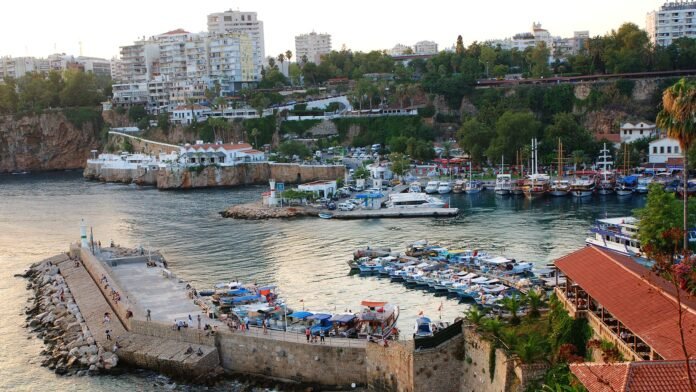
November 18: COP31 is scheduled to mark the launch of the second Global Stocktake on November 18 in Antalya, beginning a two-year review of collective progress under the Paris Agreement. The process matters for Asia’s governments, businesses and communities, but the launch event is not itself a new climate deal.
Key highlights
- The ministerial event is scheduled for 15:00–18:00 Antalya time.
- Evidence collection precedes a technical assessment beginning in 2027.
- The second stocktake is due to conclude in 2028.
What a Global Stocktake actually measures
UN Climate Change describes the stocktake as an assessment of collective progress towards the Paris Agreement’s purpose and long-term goals. It examines where action and support are advancing and where gaps remain. The first stocktake concluded at COP28 in 2023.
This is not simply an emissions league table for individual countries. Its purpose is to assemble evidence across climate action and support and inform the next stages of international and national decision-making. Adaptation and the means of implementation matter alongside mitigation.
The stages and the timing
The event’s concept note says the new cycle begins with information collection and preparation, followed by technical assessment starting in 2027. It is due to conclude at CMA10 in 2028. The November 18 session includes political and technical components, with discussion of evidence, participation and lessons from the first cycle.
The official concept note explicitly says the launch event does not constitute an input to the stocktake and will produce no formal output documents. That makes the distinction unusually clear: the session marks the process, while substantive evidence enters through the designated stocktake arrangements.
Why the evidence matters for Asia
Our analysis: a regionally representative review needs to distinguish between promises, implementation and measured outcomes. Announcing a policy is not the same as financing it, and financing a project is not the same as demonstrating its emissions or resilience result. A credible assessment should keep those stages visible.
For Asian readers, the practical questions include how national plans relate to actual investment, how vulnerable communities are represented and whether support reaches implementation. The launch does not impose a new national tax, automatically release climate finance or resolve the wider COP31 negotiations. Those outcomes require their own decisions and records.
At a glance
| Stage | Timing or purpose |
| First stocktake | Concluded in 2023 |
| Second-cycle launch event | November 18, 2026 |
| Information collection | Builds the assessment’s evidence base |
| Technical assessment | Begins in 2027 |
| Second-cycle conclusion | 2028 |
| Launch event output | No formal output document planned |
What to watch
As of this morning report, the Antalya event remains scheduled for later on November 18. Watch for the evidence-submission process, technical arrangements and eventual negotiated outcome. This article does not report speeches or agreements from a session that has not yet taken place.
Sources
- UN Climate Change: Global Stocktake overview
- UN Climate Change: Second Global Stocktake launch event and concept note
- UN Climate Change: Official invitation to the November 18 event

The International Desk covers world and Asian affairs, diplomacy and conflict, with a focus on what they mean for India. Stories are checked against at least two credible sources before publication.