Google has expanded access to Gemini 4 Argon across its developer and consumer products, moving the model beyond the restricted rollout announced in September. The company’s October 13 announcement makes the distinction between API access and subscription-based app access especially relevant for users.
According to Google’s launch post, developers and enterprises can use Argon through its API offerings, while Google AI Pro and Ultra subscribers can access it in the Gemini app and AI Mode in Search. Google describes the model as designed for demanding work involving coding, science and other professional tasks.
Introductory prices have an end date
| API usage | Introductory rate per million tokens | Rate after November 30, 2026 |
|---|---|---|
| Input | US$2 | US$4 |
| Output | US$10 | US$20 |
These are API usage rates, not monthly consumer subscription fees. Google also advertises discounted cached input. A workflow’s actual bill depends on its token usage and the applicable billing terms, rather than just the number of questions a person types.
What changed in the app?
An October 14 app update describes more direct task handling, progress updates during longer jobs and the integration of Google Antigravity’s coding interface into Gemini for macOS. Google says the app connects with more than 40 services.
Those are product claims from the supplier, not findings from an independent test by The Press of Asia. Availability in a product announcement also does not establish that every feature is enabled for every account or region at the same moment.
What readers should check before using it for work
The useful test is whether the system completes a real task accurately with an acceptable amount of supervision. A benchmark ranking alone cannot establish how well it will handle a particular company’s documents, software or approval process.
For tasks connected to other apps, review permissions and the actions the model is allowed to take. Keep human review for consequential output, and verify factual citations separately. These checks remain necessary when a newer model is marketed as more capable.
Our coverage of India’s proposed data-centre policy examines the infrastructure demands behind expanding AI services.
Image credit and licence
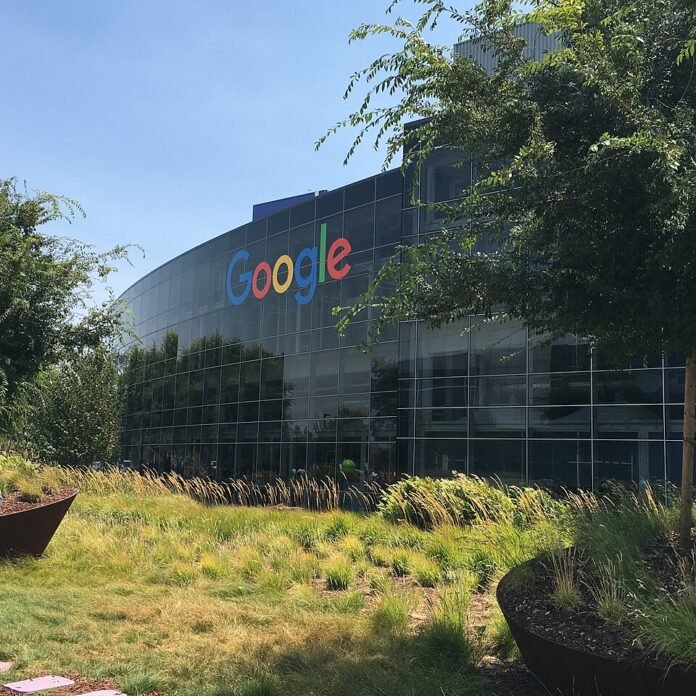
File photo: Googleplex headquarters, July 27, 2016; not a Gemini launch event. Photo: The Pancake of Heaven! / Wikimedia Commons, CC BY-SA 4.0. Resized for display; image adaptations retain CC BY-SA 4.0. Original image and provenance · Licence / usage terms.

The Tech Desk covers technology, artificial intelligence and cybersecurity. Stories are checked against at least two credible sources before publication.