NEW DELHI, November 4: Democrats have won control of both chambers of the United States Congress in the November 3 midterm elections, according to projections by US news organisations. The party took the House of Representatives and flipped at least seven Republican-held Senate seats, including Texas, Ohio, North Carolina and Maine. It also took four governorships from Republicans; in Texas, three-term Governor Greg Abbott lost to Democrat Gina Hinojosa. All results are unofficial until the states certify them, and counting continues in several close races.
Key highlights
- Senate: Democrats flipped seven Republican-held seats (Texas, North Carolina, Ohio, Maine, Iowa, Kansas and South Carolina) and held Georgia, Michigan, New Hampshire and Minnesota.
- Senate majority: with the two independents who vote with them, Democrats are on at least 54 of 100 seats. Alaska, Mississippi and Nebraska were still uncalled at the time of writing.
- House: Democrats passed the 218 seats needed for a majority early on Wednesday, US time. Several dozen seats, many in states that count mail ballots for days, were still to be called.
- Governors: Democrats won Texas, Georgia, Ohio and Iowa from Republicans. In Ohio, Indian-American entrepreneur Vivek Ramaswamy lost to Democrat Amy Acton.
- What changes: the new Congress meets on January 3, 2027. President Donald Trump stays in office until January 2029, but every bill, budget and Senate confirmation will now need Democratic votes.
Senate: the seats that changed hands
| State | Winner | Defeated | Note |
|---|---|---|---|
| Texas | James Talarico (D) | Ken Paxton (R) | First Democratic Senate win in Texas since 1988; incumbent John Cornyn lost the Republican runoff |
| North Carolina | Roy Cooper (D) | Michael Whatley (R) | Open seat; Thom Tillis retired. Cooper is a former two-term governor |
| Ohio (special) | Sherrod Brown (D) | Jon Husted (R) | Seat JD Vance left in 2025 to become Vice President; Brown returns two years after losing in 2024 |
| Maine | Troy Jackson (D) | Susan Collins (R) | Collins had held the seat since 1997 |
| Iowa | Josh Turek (D) | Ashley Hinson (R) | Open seat; Joni Ernst retired |
| Kansas | Adam Hamilton (D) | Roger Marshall (R) | Kansas had not elected a Democratic senator since 1932 |
| South Carolina | Annie Andrews (D) | Darline Graham (R) | Graham was appointed in July 2026 after the death of her brother, Senator Lindsey Graham |
Democrats also kept the four seats where they were most exposed. Senator Jon Ossoff was re-elected in Georgia against Republican Mike Collins. In Michigan, Abdul El-Sayed defeated former congressman Mike Rogers for the seat of retiring Senator Gary Peters and is set to become the first Muslim member of the Senate. In New Hampshire, Representative Chris Pappas beat former senator John E. Sununu, and in Minnesota, Lieutenant Governor Peggy Flanagan held the seat for her party. Republicans kept the Florida special election, which Senator Ashley Moody won.
Three Senate races were still uncalled: Alaska, where Senator Dan Sullivan faces former congresswoman Mary Peltola under ranked-choice voting; Mississippi, where Senator Cindy Hyde-Smith faces Democrat Scott Colom; and Nebraska, where Senator Pete Ricketts faces independent Dan Osborn.
House of Representatives
Before the vote, Republicans held 218 House seats, Democrats 214 and one independent, with two seats vacant. Democrats needed a net gain of four. Running tallies of projected races at about 3 am Eastern time on Wednesday (1:30 pm IST) had Democrats at about 228 seats and Republicans at about 136, with roughly 70 races still to be called. The final margin may take days, because California and several other states count mail ballots after Election Day.
Democratic leader Hakeem Jeffries is in line to become Speaker when the new House elects one in January; he would be the first Black Speaker. Before the polls closed, he said Democrats would bring bills to the floor within 100 hours of taking the House, including restoring health-insurance subsidies under the Affordable Care Act, reversing Medicaid cuts and moving to end Trump’s tariffs.
Governors
| State | Winner | Defeated | Note |
|---|---|---|---|
| Texas | Gina Hinojosa (D) | Greg Abbott (R) | Abbott conceded on Tuesday night; Texas had not elected a Democratic governor since 1990 |
| Georgia | Keisha Lance Bottoms (D) | Rick Jackson (R) | Open seat; Brian Kemp term-limited |
| Ohio | Amy Acton (D) | Vivek Ramaswamy (R) | Open seat; Mike DeWine term-limited |
| Iowa | Rob Sand (D) | Zach Lahn (R) | Open seat; Kim Reynolds retired |
Republican Byron Donalds won the open governorship in Florida against Democrat David Jolly. Democratic governors Josh Shapiro (Pennsylvania), Wes Moore (Maryland) and JB Pritzker (Illinois) were re-elected. Races including Kansas and Nevada were still being counted.
Our calculation
- Senate: Democrats and the two independents held 47 seats before the vote. Seven gains take them to 54, three more than the 51 needed for a clear majority, before the three uncalled races are settled.
- Veto override: overriding a presidential veto needs two-thirds of members voting in each chamber, which is 67 senators and 290 representatives if all members vote. Democrats will be well short of both, so Trump can still block bills he opposes.
- Governors: Republicans led 26–24 before the vote. Four Democratic gains give Democrats 28 if they hold their own seats still being counted, and at least 26 of 50, a majority, even if they lose Kansas and Oregon.
What it means for Asia
Trade and tariffs: a Democratic Congress can force votes on Trump’s tariffs, which have hit exporters across Asia, including India, China, Japan, South Korea and Vietnam. But much of tariff policy is set by the White House under existing trade laws, and changing that needs a law Trump signs or a veto override, which the numbers above do not allow. The practical change is more hearings, more pressure and less certainty for trade deals that need congressional approval.
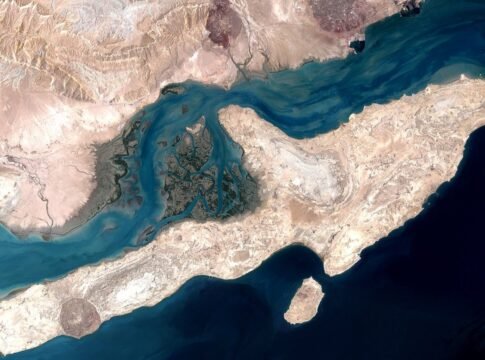
Iran and the Strait of Hormuz: the vote came a day after US officials said the US had struck Iran’s Qeshm Island (our report). Congress controls military funding and can force war-powers votes, so a Democratic Congress is likely to press the White House harder on Iran. That matters for Asia, which takes most of the oil that passes through Hormuz. On Election Day, Trump said of Iran: “One way or the other, we will do something, but there is no rush.”
Nominations and oversight: the Senate confirms ambassadors, trade officials and judges. A Democratic Senate from January can slow or block Trump’s picks, including envoys to Asian capitals, and Democratic committee chairs in both chambers will be able to hold hearings and issue subpoenas.
What to watch
- Final calls in Alaska, Mississippi and Nebraska, and in the remaining House seats.
- State certification of results over the coming weeks; the new Congress is sworn in on January 3, 2027.
- The House vote for Speaker and the Senate’s choice of majority leader in January.
- Any change in Trump’s approach to tariffs and to Iran after the defeat.
Results are as of about 2 pm IST on November 4 and are based on projections and unofficial counts. Official results come from each state’s election office. For the background to this election, see our preview of what was at stake.
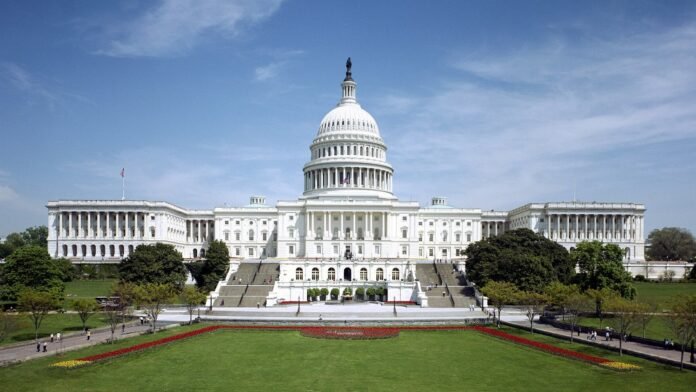
The west front of the US Capitol in Washington, DC, where the new Congress will meet in January 2027. Image: Architect of the Capitol, public domain, via Wikimedia Commons. Photo source
Sources
- USAGov: Congressional elections and midterm elections
- Texas Secretary of State: Election results, November 3, 2026
- Georgia Secretary of State: November 3, 2026 General Election Results
- North Carolina State Board of Elections: Election results dashboard
- Ohio Secretary of State: What happens after the polls close in Ohio (November 3, 2026)
- US Senate: Party division
- Office of the Clerk, US House of Representatives

The International Desk covers world and Asian affairs, diplomacy and conflict, with a focus on what they mean for India. Stories are checked against at least two credible sources before publication.