Latest Update (September 27, 2026): President Donald Trump has now publicly confirmed the rejection. “They made a proposal, but I rejected it,” he told reporters, adding that Iran was “losing so badly”. Iranian Foreign Minister Abbas Araghchi said Tehran had seen Trump’s initial reaction but had “yet to receive a response through mediators”, and would decide its next steps once the official US position arrived. Iran’s President Masoud Pezeshkian told Al Jazeera that Qatar and Pakistan are mediating between Washington and Tehran, and that Iran “no longer has faith in Washington”. The Wall Street Journal reported that Trump expects to resume strikes on Iran after the November midterm elections; The Press of Asia has not independently confirmed that report. Pakistan’s Prime Minister Shehbaz Sharif also highlighted Islamabad’s mediation role in his UN speech — see India’s reply to Sharif at the UN.
Sources for this update: The Times of Israel live blog (September 26, 2026); Times of Israel report on Araghchi’s statement.
Tehran/Washington, September 26, 2026: Iran says it is waiting for an official response from the United States to a Qatar-mediated proposal that could reopen the Strait of Hormuz and halt the current round of fighting within seven days. The initiative has created a narrow diplomatic opening around one of the world’s most important energy routes, but its status remained uncertain on Saturday after the Wall Street Journal reported that US President Donald Trump had rejected it.
Reuters said it could not independently confirm that reported rejection. That distinction matters: as of the latest public statements, Tehran was still describing the proposal as active and awaiting a formal American answer. The available evidence therefore supports a cautious headline, not a declaration that the plan has definitively failed.
What Iran’s seven-day proposal contains
According to Reuters reporting based on Iranian officials, the proposal was conveyed through Qatar. Iran says it could restore safe passage through the Strait of Hormuz within seven days if Washington begins easing military pressure and removes measures Tehran describes as a blockade on Iranian ports. The proposed package also involves access to frozen Iranian funds and relief from oil-related sanctions.
Iran and Oman would be expected to help guarantee safe commercial navigation. The details have not been released as a signed agreement, and no joint US-Iran text has been made public. That means the timetable and conditions should be treated as negotiating positions rather than settled commitments.
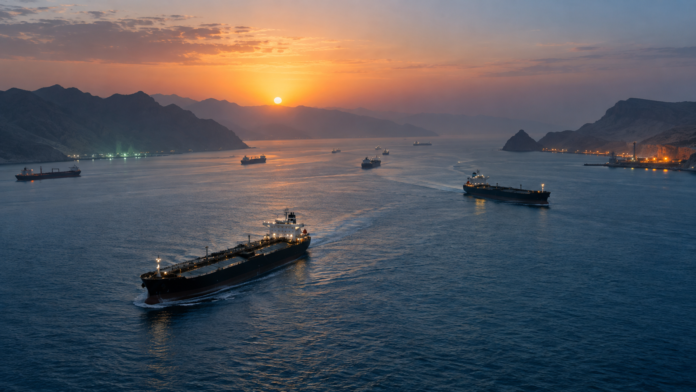
The strait connects the Persian Gulf with the Gulf of Oman and the Arabian Sea. Its importance goes far beyond the two governments: any sustained disruption can affect crude oil, refined fuels, liquefied natural gas, shipping insurance and freight costs across Asia and Europe. The Press of Asia has previously examined how Hormuz risk fed into oil prices and Asian markets.
Why the US response remains unclear
The reported rejection attributed to Trump has intensified uncertainty, yet the US administration had not publicly released a point-by-point response to the proposal at the time of writing. A refusal of the current terms would not necessarily close every diplomatic channel; it could also lead to a counterproposal over sequencing, verification or sanctions relief.
That sequencing problem is central. Iran wants visible easing of pressure as part of the path to reopening the route. Washington is likely to demand reliable navigation and security guarantees before granting meaningful economic relief. Each side therefore wants the other to move first, a familiar obstacle in earlier negotiations.
Qatar’s role is also significant. Doha has repeatedly acted as an intermediary when direct US-Iran contact was politically difficult. Its involvement does not ensure success, but it offers both sides a channel for testing language without immediately turning every proposal into a public ultimatum.
What shipping and energy markets are watching
For shipping companies, the key questions are practical: whether vessels can transit without attack or seizure, whether insurers will reduce war-risk premiums, and whether port operations can resume predictably. Even a political announcement may take time to translate into lower costs if underwriters and shipowners do not see durable security on the water.
India and other large Asian energy importers have a direct stake. Higher freight and crude prices can raise the import bill, weaken currencies and add to inflation. The relationship between energy shocks and Indian assets was visible again as the rupee faced pressure against the dollar.
Markets will also distinguish between a temporary transit arrangement and a broader ceasefire. Reopening the strait could reduce immediate supply anxiety, but a durable fall in risk premiums would require clarity on military operations, sanctions and enforcement mechanisms.
What happens next
The next reliable signal will be an on-record US response or a jointly acknowledged framework from the mediators. Until then, claims that the plan is accepted, rejected or already in force should be treated carefully. Iran’s public position is that it has delivered a concrete route to reopening within seven days; the reported US rejection remains a report rather than a formally published decision.
For readers and markets, the responsible conclusion is limited but consequential: a diplomatic proposal exists, its terms are demanding, and the window remains uncertain. The difference between a verified agreement and an unconfirmed report can move oil and shipping prices, so confirmation from the governments involved is essential.
Sources: Reuters report carried by Devdiscourse; Associated Press regional update.

The International Desk covers world and Asian affairs, diplomacy and conflict, with a focus on what they mean for India. Stories are checked against at least two credible sources before publication.