
Beijing/Washington, September 22, 2026: Chinese President Xi Jinping will make a state visit to the United States from September 23 to 25 at President Donald Trump’s invitation, China’s Foreign Ministry announced. The official statement confirms the dates and the invitation, but it does not announce a trade deal, Taiwan agreement or AI accord. Those remain subjects for discussion, not outcomes.
The visit is a distinct new diplomatic event in US–China relations. It follows months of talks and comes amid disputes over market access, advanced technology and Taiwan. Its immediate news value is the confirmation of a state visit and a leader-level meeting this week, rather than speculation about what either government might concede.
What has been officially announced?
China’s Foreign Ministry posted a concise notice on September 21 saying Xi would visit the US from September 23 through September 25. In a separate briefing reported by Reuters, ministry spokesperson Guo Jiakun said the leaders would discuss major issues in bilateral relations and wider peace and development. No joint communiqué or negotiated package has been released for this visit.
The Associated Press reports that the meeting comes after uneven progress on commitments reached during the leaders’ earlier meeting in Beijing in May. The areas under scrutiny include trade in agricultural goods and aircraft, as well as artificial intelligence. That is context for the summit, not a published agenda covering every item.
Trade and technology questions
Businesses on both sides want clarity on whether commitments can move from broad announcements into verifiable steps. China’s recent trade performance adds an economic dimension: The Press of Asia reported on China’s August export and import growth. Those figures do not by themselves predict the outcome of the Trump–Xi talks.
Technology is another live issue. In a separate development, US Treasury Secretary Scott Bessent proposed a channel for notifications about AI incidents with national-security implications. Our report on that AI safety proposal explains what was proposed and why it is not yet a binding pact. The upcoming state visit could provide a forum for broader dialogue, but neither side has announced that the proposal will be adopted there.
Why Asia is watching
The United States and China are central to Asian supply chains and regional security. A change in their trade relationship could affect exporters and investors throughout the region. Taiwan remains a sensitive question, but claims about a pending shift in US policy would be premature without official confirmation. For India, the meeting matters because both countries are important economic and strategic partners, yet no India-specific policy change has been announced.
The practical test is whether the two governments publish concrete, measurable decisions after the leaders meet. Readers should distinguish a confirmed visit from a successful negotiation. A photo opportunity, a statement of intent and an enforceable agreement are different things.
What happens next?
Xi’s announced travel window begins on September 23. Official readouts from Beijing and Washington, and any signed or jointly announced measures, will show whether the visit changes policy. This article will be updated if substantive, verified outcomes emerge. Until then, the dates and the invitation are the central confirmed facts.
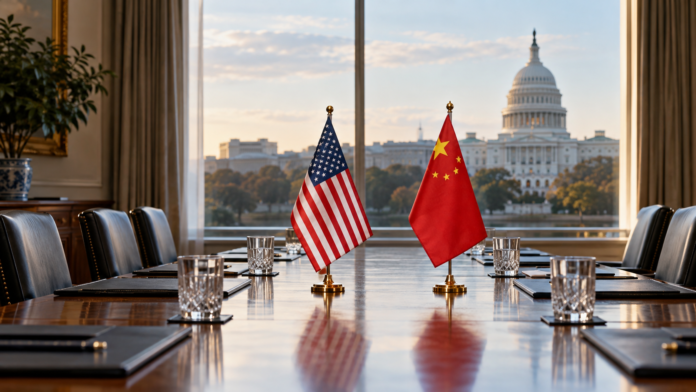
AI-generated editorial illustration | The Press of Asia